Tag: Algarve Producers

  • Passion, tradition and innovation come together under the roof of João Clara Wines

    Passion, tradition and innovation come together under the roof of João Clara Wines

    João Clara’s legacy, a “labour of love”

    – December 12, 2022 
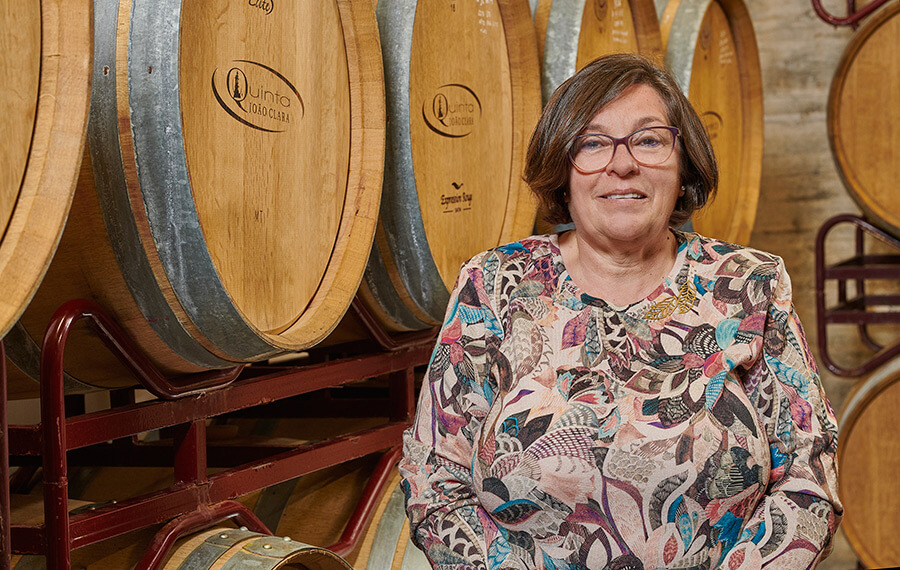
    Passion, tradition and innovation come together under a boutique winery’s new roof

    Staying relevant while preserving tradition can be a conundrum in the wine world. This ever-growing industry sees new producers, with creative projects attracting young and knowledgeable consumers, opening their winery doors faster than ever. Keeping up with new trends without losing your identity can be tricky for a winery.

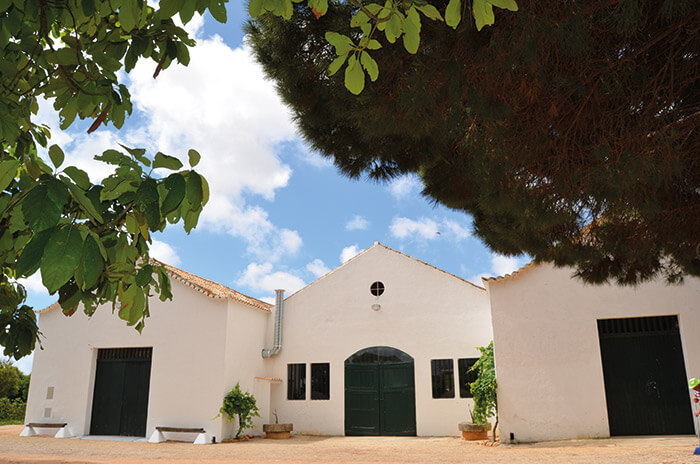
    On the slopes of the Alcantarilha hills, Edite Alves appears to have found the right formula for João Clara. With her daughters and son-in-law’s support, she is perpetuating her husband and father-in-law’s work while making her dreams come true by further growing and innovating the business.
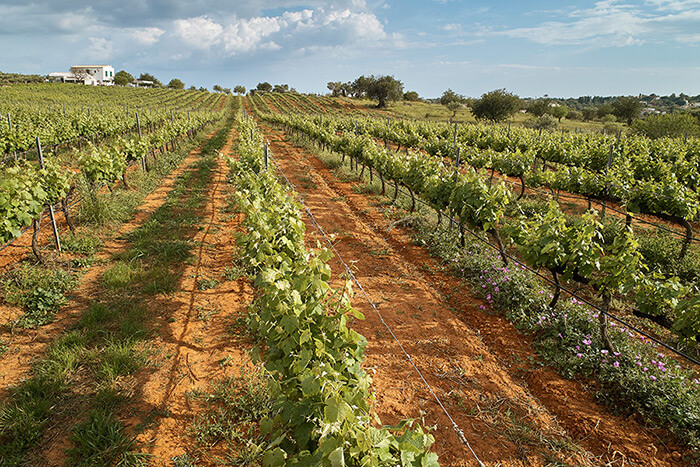
    João Clara’s legacy, a labour of love

    João Maria Alves, better known as João Clara, bought what was a fruit farm in 1975 and, like most farmers did in those days, planted the first vines for home consumption. His son, Joaquim João, was the one who decided to take this production to the next level. He added new varieties – Touriga Nacional, Syrah, Alicante Bouschet, Aragonês, and Trincadeira – to the existing Negra Moles vines to make their first commercial wine.

    Named after its creator, João Clara soon grew into a reputable boutique winery. The 26-hectare farm now includes 14 hectares of vines, almond, fig and carob trees, and an olive grove, whose fruit will soon be used to make branded olive oil.

    Following in her husband’s footsteps, Edite is taking the business even further. Having been dependent on another local producer for their vinification for so many years, two years ago, with the inauguration of their new state-of-the-art winery, the family was finally able to do their own vinification. “Now we can smell and taste the wine when we want. It’s completely different,” exclaims the matriarch. “We can give it our personal touch. And thanks to modern equipment, we have increased the quality of the wine.”

    The pioneering nature of this producer is evident. Led by consultant winemaker Joana Maçanita, the team is constantly working on creating new wines using different types of vinification techniques. This innovative mindset has been present since the very beginning. Joaquim João hired Joana’s brother, the young and daring winemaker António Maçanita, to make João Clara’s first red. Then came Claúdia Favinha, who created the single varietal 2011 Negra Mole, marking the grape variety’s big comeback, having been shunned by the wine world for decades. And now, Joana Maçanita has unleashed João Clara’s full potential by creating the region’s first GI (Geographical Indication) sparkling wine, its first GI Late Harvest, and the winery’s greatest adventure yet, the “vinho de talha”, made in amphoras, a technique instilled in Portugal by the Romans over 2,000 years ago.

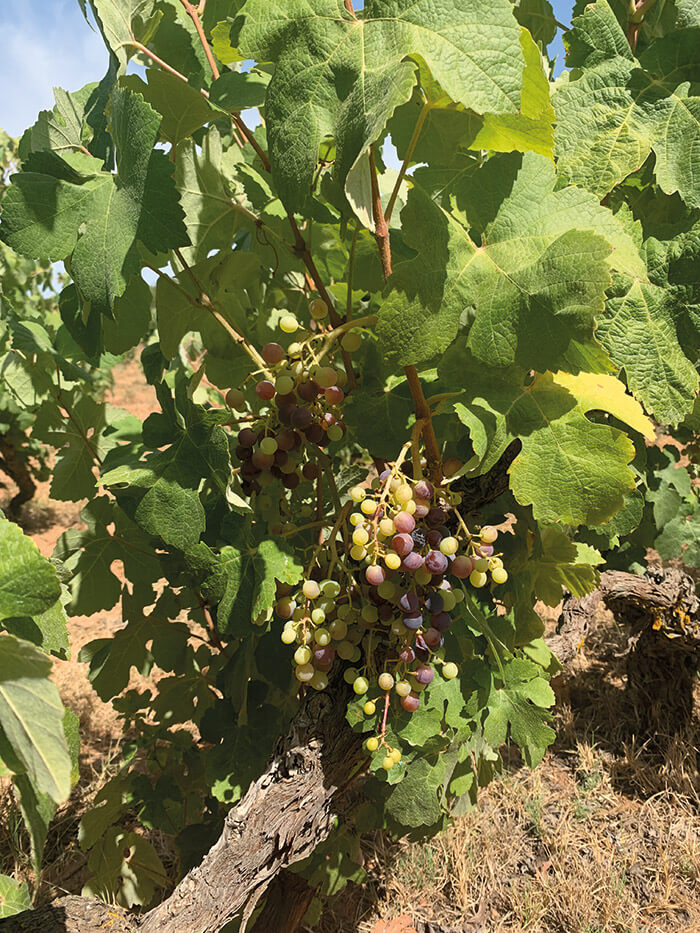
    Negra Mole, the first vine planted on the farm, is not only Portugal’s second-oldest variety, but it is also the Algarve’s most emblematic grape. Similar to Pinot Noir, it results in light-bodied reds that are best served chilled.
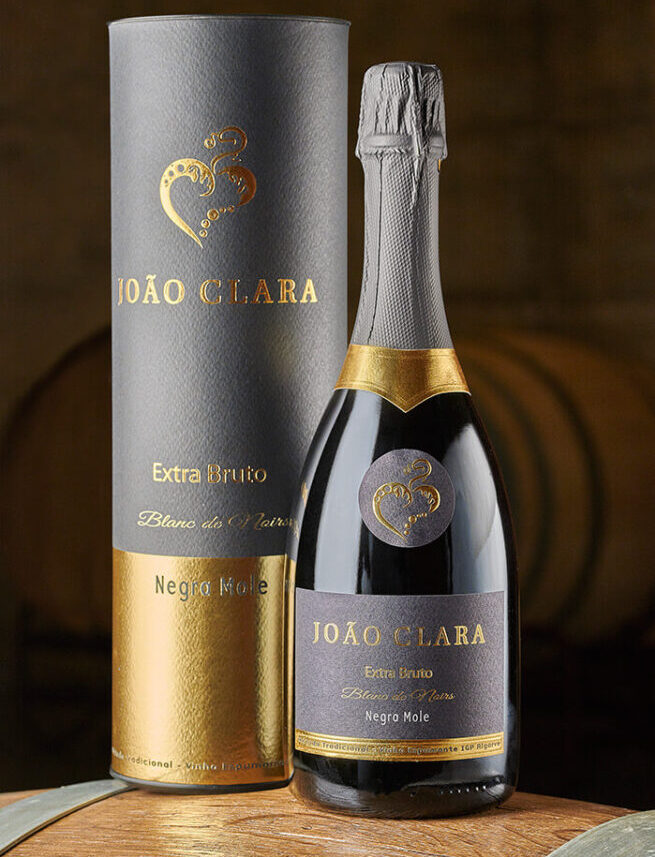
    João Clara Negra Mole

    João Clara is proud to be elevating Negra Mole to new heights by vinifying it using different techniques, showcasing its versatility. They use it in their red blend and to make the Negra Mole Reserva, a light-bodied oak-aged wine with creamy and smoky notes and hints of almond and fig, revealing its terroir. They also used it to make their salmon-coloured rosé and newly released Blanc de Noir sparkling wine, made using the traditional method and bottle-aged for three years. And last but not least, the soon to be released amphora wine, which according to Edite, will be the complete opposite of the oak-aged Negra Mole.

    But there is more to João Clara than Negra Mole. The winery’s portfolio includes wines for every taste and type of pairing. It even has an entry-level range – Às Claras – created for restaurants to recommend as local wine at an affordable price.
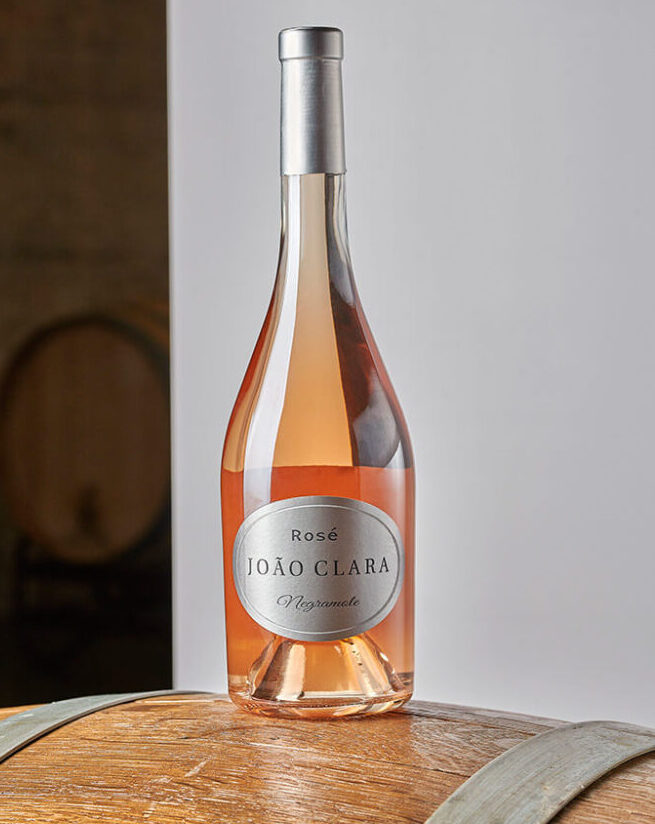
    João Clara rosé

    The whites are popular in this region, where seafood abounds. The João Clara white is a blend of Arinto, Alvarinho and Verdelho with a touch of Moscatel. Full of fruity aromas, it has notes of orange flower and lemon, ideal for seafood and salads. The Alvarinho, aged in oak for ten months, is creamy yet fresh and has a lot of fruit. As for the reds, the Syrah and the Reserva, both barrel-aged, have more body than the Negra Mole wines. They are made to accompany game and meat dishes. And, of course, the Late Harvest, a sweet wine that Edite is proud to say has won over many of the Algarve’s top chefs, some of whom have even included it as part of the pairing for their tasting menus.
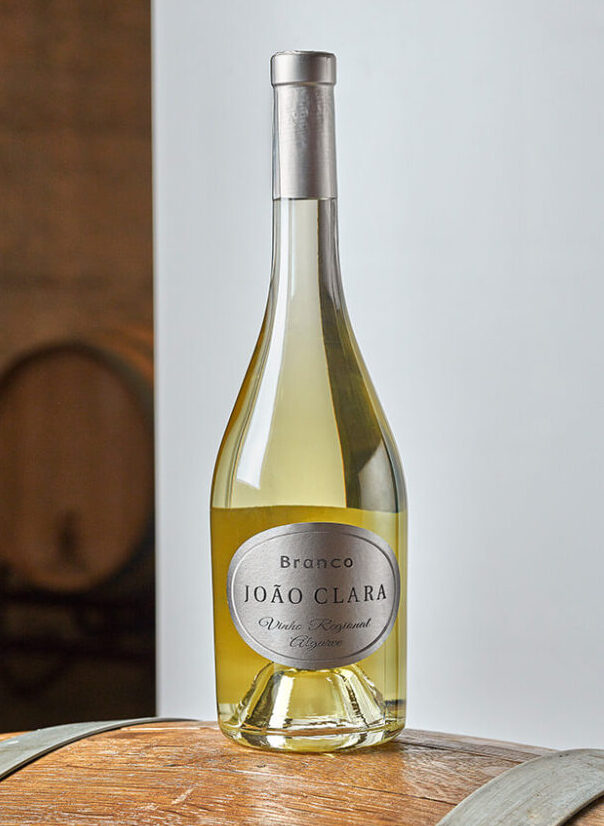
    João Clara white

    With the growth of the wine industry also comes a boom in wine tourism. A growing number of visitors and wine enthusiasts look for experiences that will give them a taste of the Algarve’s new wines. “I never needed a diary to keep track of the bookings, but now I can’t do without one”, exclaims Edite. Although their infrastructures may have grown, she is still keen on hosting small groups of visitors, no more than twenty at a time. “We want them to have a VIP experience, to feel they have the producer’s complete attention. These clients come back, bring us other clients, and buy our wines in their country.”
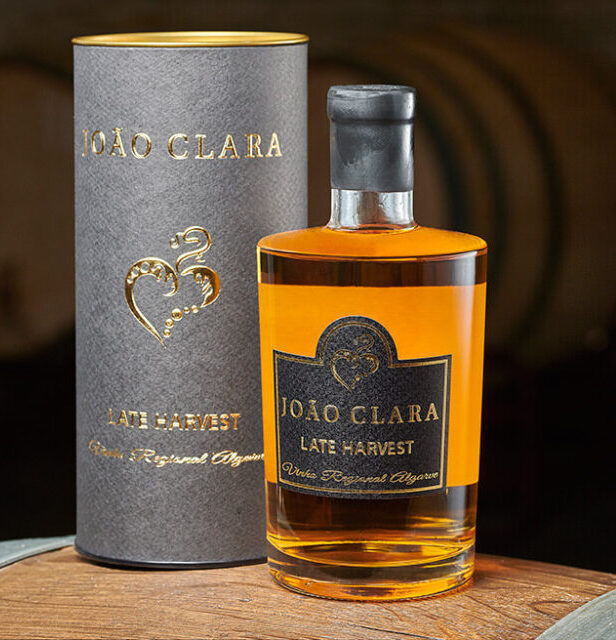
    João Clara

    Tours and tastings at João Clara, which must be booked in advance, range from a visit to the vineyard and winery followed by a three-wine tasting, to a premium tasting of the Reserva wines with a selection of snacks.

    For the Alves family, winemaking is a labour of love: “There is a lot of passion and dedication in this project. We really want to build up what João Maria Alves and my husband left us.” João Clara’s legacy is sure to live on. Edite’s grandsons may only be helping to tread gra0pes for now, but as the saying goes, “as the twig is bent, so shall the tree grow”.
    Text Alexandra Stilwell, Photos Hélio Ramos

    Read more Algarve News:

  • Aloegarve: a New Portuguese cosmetics brand that uses Algarve-grown aloe vera

    Aloegarve: a New Portuguese cosmetics brand that uses Algarve-grown aloe vera

    Locally sourced beauty

    – December 12, 2022

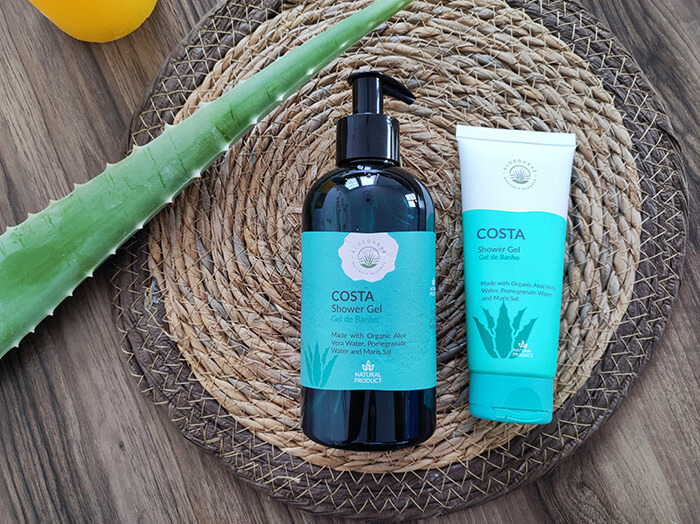
    Aloegarve is the new Portuguese brand which uses Algarve-grown Aloe vera to create a wide range of cosmetics

    Aloegarve is a new Portuguese brand which uses Algarve-grown Aloe vera to create a wide range of cosmetics. Eight stores have already opened across the Algarve in just a few months

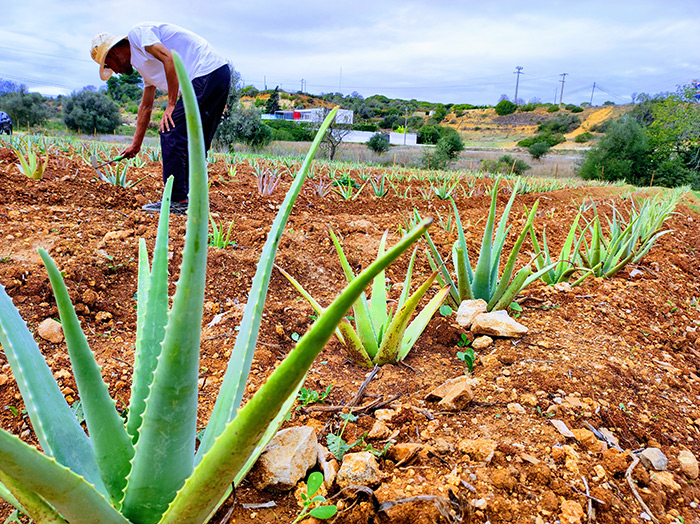
    Between Alcantarilha and Porches, on a five-hectare plot of land parallel to the EN125 road, there are 12,000 Aloe vera plants growing organically and naturally.

    The Algarve’s climate, with over 300 days of sunshine, provides the ideal conditions for the production of this Mediterranean species which, despite being native to Northwest Africa, has long grown spontaneously in the south of Portugal. Indeed, it was the Algarve landscape which motivated two Indian couples living in Germany to choose the region as the location for their Aloe vera cosmetics business.

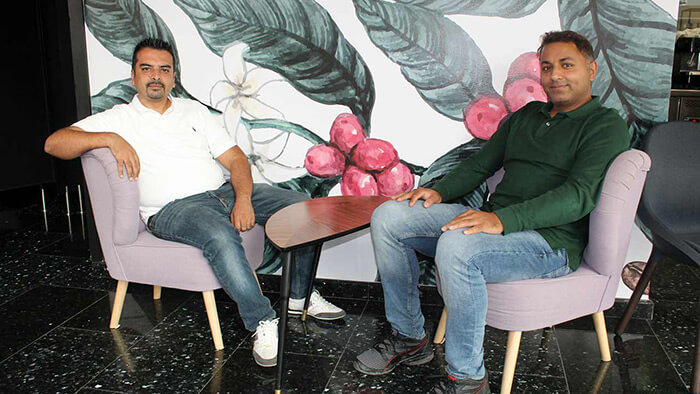
    “With the outbreak of the Covid-19 pandemic, we decided to leave Germany. We explored some options and, as we were on holiday here, we decided to move to the Algarve,” said Aloegarve director Atul Dua. “I remember seeing Aloe vera plantations in Aruba and several local companies using the plant. I thought I could make a difference in the Algarve. It started out as a simple idea, but when I researched it, I saw that there wasn’t anyone producing Aloe vera on a large scale,” he explained.

    Aloe Vera Aloegarve, Atul Dua e Sumit Anand

    It was later in 2020 when he discovered that his friend Sumit Anand, whom he had known for many years in Germany, had also moved to the Algarve with his family. “We got in touch and agreed that we had monotonous jobs linked to IT. So, we created the company and bought the land. As we had zero experience in agriculture, we learned how to produce organically, sustainably and healthily,” he said.

    The concept was developed in 2021 and the first Aloe vera plants grew very well. The decision to use the plants to create cosmetics came after studying the market and investigating their potential. “We understood that it is a plant with countless medical benefits and has been used widely forever. We started working with companies that specialise in this area and developed our own range,” Atul Dua said.

    Thus, Aloegarve was born at the start of 2022, with its first store opening in Olhos de Água, Albufeira.

    The second store opened in June, and two months later the brand already had eight stores in the Algarve: Alcantarilha, Armação de Pêra, Carvoeiro, Portimão, Olhos de Água, Quarteira, Silves and Vilamoura. Next year, the company is planning to open a store at MAR Shopping Algarve in Loulé.

    “This whole process was very quick and, in a way, we benefitted from the consequences of the pandemic because several stores closed, and we were able to find several vacant spaces in excellent locations, some very close to the beach,” said Dua, such as in Armação de Pêra and Olhos de Água.

    Aloegarve is the new Portuguese brand which uses Algarve-grown Aloe vera to create a wide range of cosmetics 2

    Aloegarve’s range of products includes creams, masks, lotions, shower gels and even sun lotions, all vegan and produced organically without any chemicals or testing on animals. Another “extremely important” principle for the company is that Aloegarve is a “100% Portuguese brand”.

    “This has always been our motto. We didn’t know if it was possible, but we did it. Our consulting company is Portuguese, the cosmetics specialists who help us develop the formulas are Portuguese, as are our suppliers and the whole chain of production. We only worked with Algarvian real estate agencies and even the furniture at our stores is produced in Portugal,” Dua said.

    The goal for 2023 is to bring the total number of stores in the Algarve to 15, and whilst the company will look to expand to other parts of Portugal, the owners guarantee that the brand will never lose its “Algarve essence”. There is also the possibility of expanding beyond Portugal.

    “I was recently in Dubai and took some samples with me. There are companies interested in selling our range of products. It is incredible because we are a very new company but are already in talks. Besides, we have been contacted by other brands that want to work with us, mostly hotels which want to use our products in a smaller format, but that is something we do not have yet.”

    Aloegarve is the new Portuguese brand which uses Algarve-grown Aloe vera to create a wide range of cosmetics 3

    When asked whether Aloegarve can become an internationally known brand, Atul Dua says that is a possibility that is very far down the road but not impossible. “It would be great for everyone, but we will not force things,” he said. “If opportunities arise, we will seize them. Luckily, the Algarve welcomes people from all over the world and we do not have to go abroad to be seen. Those who visit us will talk about our brand if they like it. In that sense, I think we will be successful.”

    Algarve-inspired names

    Even the names of the products are inspired by the Algarve. The most sold items in summer are the ‘Sotavento’ and ‘Barlavento’ sunscreens (the Portuguese names for Eastern Algarve and Western Algarve, respectively), which can be used by children and adults and protect the skin whilst hydrating it. The sun lotions use ingredients such as olive oil, rose oil and evening primrose oil. “We knew it was fundamental to create an alternative product. Most sunscreens on the market are made with chemicals. Ours are made from 98% natural elements,” he said.

    Prices are “below average”, according to Atul Dua. “We decided we would always have discounts and benefits. For example, a small ‘Mergulho’ (a hand and face gel) costs €11.99, but a pack of three of the same size costs €20, including the gift wrapping.”

    Follow Aloegarve on Facebook and Instagram.

    Text by Maria Simiris

    Read more Algarve News:

  • Historical Quinta da Palmeirinha in the Algarve has deep roots that date back to the 8th century BC

    Historical Quinta da Palmeirinha in the Algarve has deep roots that date back to the 8th century BC

    At the historical Quinta da Palmeirinha, producer João Mariano makes new vintages with some of the region’s oldest vines

    – September 9, 2022

    Historical Quinta da Palmeirinha in the Algarve, Prova

    The Algarve may still be Portugal’s least-known winemaking region, but what many are not aware of is that its history goes back centuries. Its first vines were planted by the Phoenicians and the Greeks in the 8th century BC, and later Romans and Carthaginians developed this fruitful trade.

    More recently, in the 1960s, the region’s wines were a vital part of the ration troops received during the Portuguese colonial war. “This was at the time when wine was produced in cooperatives. It was consumed as a food product, drunk by the working classes and sailors as a source of energy,” explains João Mariano, a local wine producer, storyteller and one of the guardians of the Algarve’s winemaking heritage.

    Historical Quinta da Palmeirinha in the Algarve, Adega

    He tells us the story of the Negra Mole variety and how it came to dominate the region. “Cooperatives used to pay according to the alcohol content of the grape variety; the higher the content, the higher the value. Soon producers planted the varieties with the highest alcohol content, such as Negra Mole”, which also produces significant quantities of large grape bunches that are very resistant to disease.

    Discovered to be Portugal’s second oldest grape variety, it is different from other reds because it does not have uniformly coloured berries or dark skin. Today the variety is used to make red wines when blended with small amounts of a teinturière variety, such as Alicante Bouschet, Touriga Nacional or Petit Verdot. “But in the Algarve, locals liked lighter reds; it was the tradition,” insists João.

    Sadly, with the arrival of tourism, many vineyards were ripped up for their sandy soils to be sold for construction, leaving the region destitute of its viticultural heritage. But some old vines remain and are now being resuscitated by producers like João Mariano to recreate the Algarve’s unique brand.

    Historical Quinta da Palmeirinha in the Algarve, Portugal

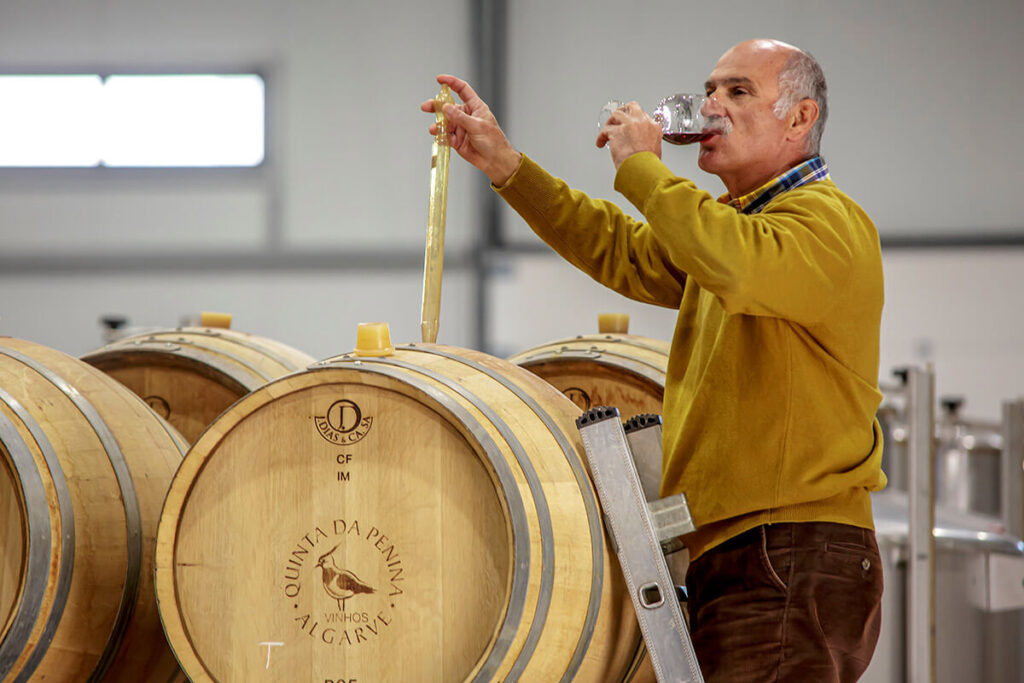
    This local producer is passionate about viticulture and the region’s history. An agronomist by trade, he planted his first 10 hectares of vines in 2000 in the Portimão area. This is where he created the Quinta da Penina brand, followed by two more hectares of vines at Quinta dos Cabeços, in Lagoa. His goal was to obtain grapes from two distinct terroirs to produce wines with equally distinct qualities. His brands include Quinta da Penina, Foral de Portimão and Mare Nostrum, a brand he created for local restaurants.

    Historical Quinta da Palmeirinha in the Algarve wineyard

    In 2012, he started exploiting a vineyard that would turn him into the guardian of some of the region’s most historical vines. Planted in 1942, these are Negra Mole old vines. “They are still full of vigour. They produce beautiful bunches of multicoloured grapes and are believed to be some of the Algarve’s oldest Negra Mole vines still in economic production,” he points out.

    Quinta da Palmeirinha

    These old vines are part of a large historical wine-producing estate on the border between Lagoa and Silves: the Quinta da Palmeirinha. “It is located in an area called Lobito, where vineyards are reported to have existed since the Phoenicians and Cartha­ginians landed on the Algarve coast.”

    Historical Quinta da Palmeirinha in the Algarve

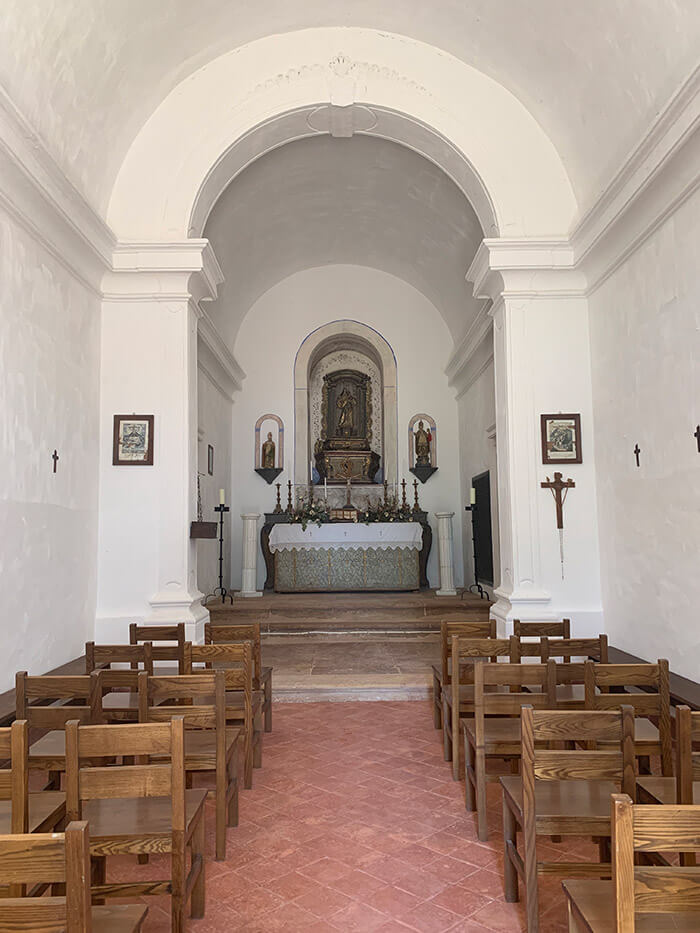
    The vines were planted around a beautiful 18th-century Manor House, which was once a hermitage, and from where pilgrimages to give thanks for the good harvests once started. The estate has belonged to current owner Alexandra Pacheco’s family for several generations. Two generations back, Joaquim Va­la­dares Pacheco, who was the Mayor of Portimão (1946-1950), boosted wine production in the region. Not only was this notable man a producer of award-winning wines (his famous Negra Mole vines won him an award for the best regional wine during World War II), but he also played an essential part in the creation of Lagoa’s cooperative winery.

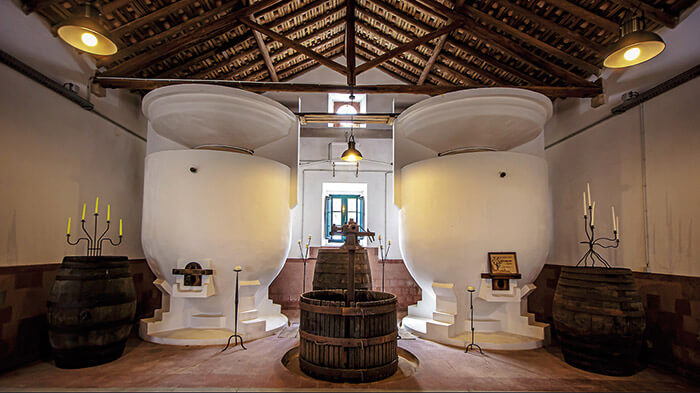
    João explains that a group of farmers from the region got together to create the coo­perative winery in Lagoa. “They applied for funds through the national wine board, which supported the construction of cooperatives throughout the country. Whilst they waited for the funds to build the new winery to arrive, they produced the first wines of the future cooperative at Palmeirinha.” Some of these were vinified in the farm’s biggest treasures: two imposing Algerian-style amphorae that still stand in the estate’s winery.

    Historical Quinta da Palmeirinha in the Algarve, Negra Mole tinto 2019
    Negra Mole tinto 2019

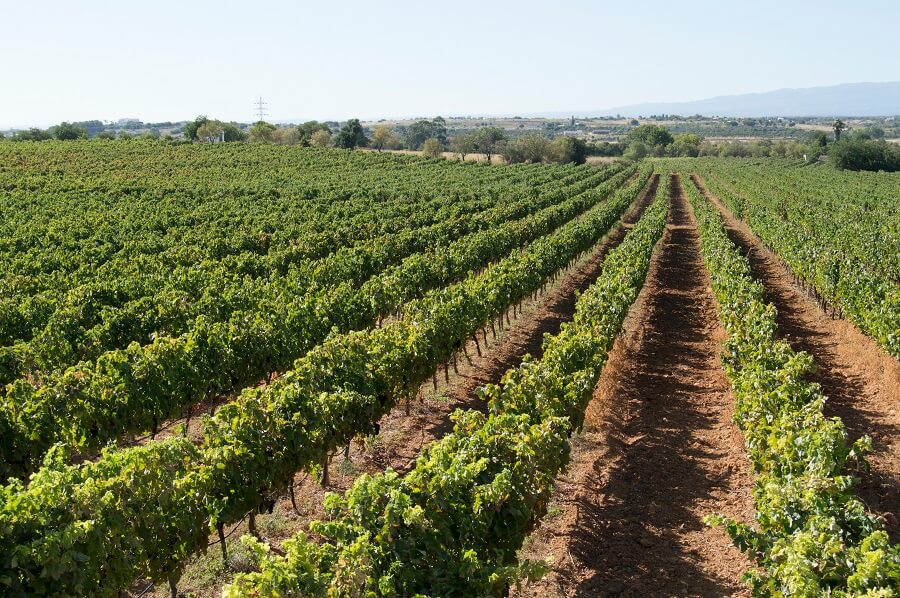
    Today, the 8.7-hectare vineyard is made up of red Portuguese varieties: Negra Mole, Castelão, Aragonez, Touriga Nacional and Alicante Bouschet; and the white Crato Branco – the Algarve’s emblematic white variety. “Here, you can see the resistance of the plant,” says João as he walks between the rows of 80-year-old Negra Mole vines. Most of the existing vines were uprooted and replaced by carob trees. Luckily, the Negra Mole vines remained. “The owners didn’t want agriculture here because it paid poorly, but they also didn’t want to let the farm’s winemaking tradition disappear.”

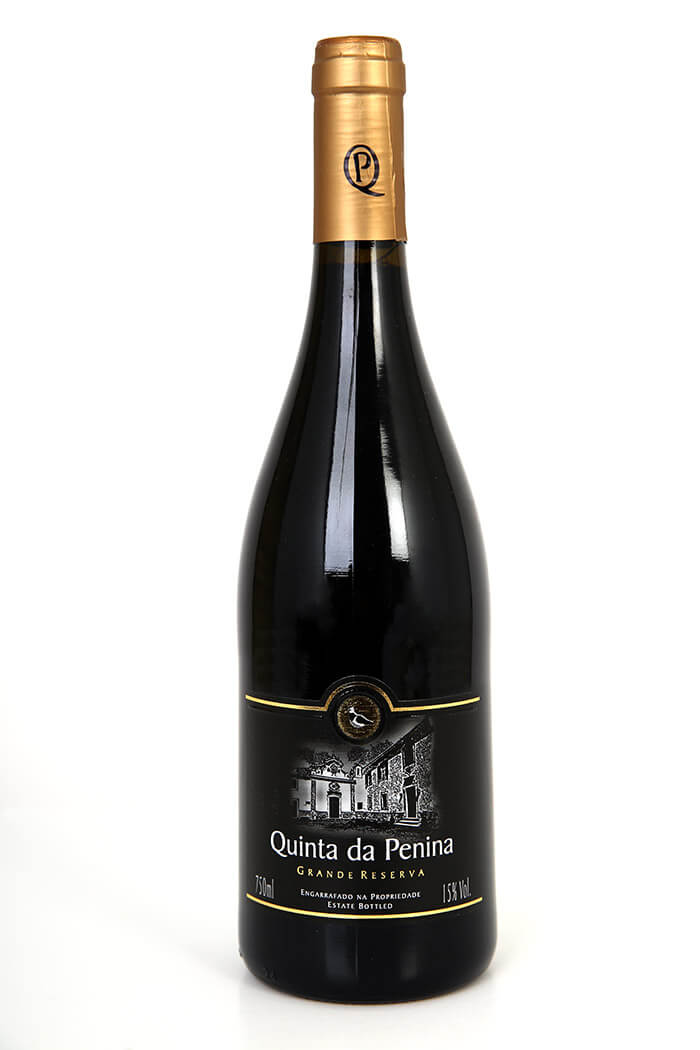
    Quinta Penina Grande Reserva, tinto
    Quinta Penina Grande Reserva, tinto

    The charming Manor House has been refurbished for tourism and events. The property offers two guesthouses, with rooms for four and six people, which can be rented separately or as one holiday property with two pools. The old winery was cleaned out and updated for events, but precious winemaking instruments, such as hand presses and the two magnificent amphorae, remain as part of the decoration. “I hope one day they will turn this space into a small museum,” admits João Mariano. “They still have ancient and unique viticultural instruments that can no longer be found.”

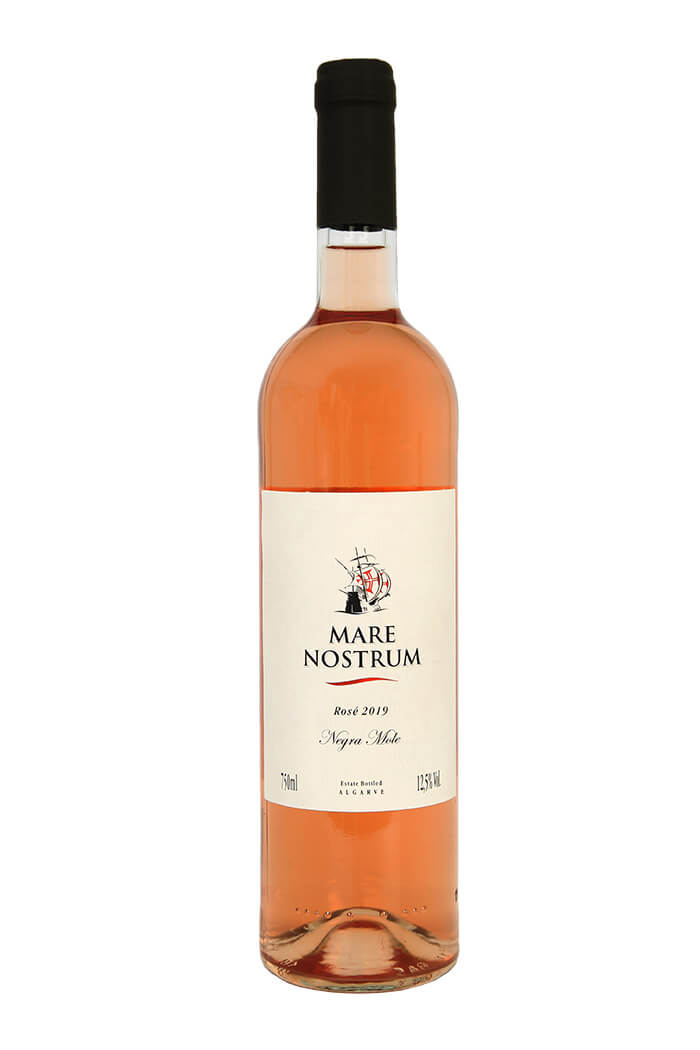
    Historical Quinta da Palmeirinha in the Algarve, Mare Nostrum Rosé
    Mare Nostrum Rosé

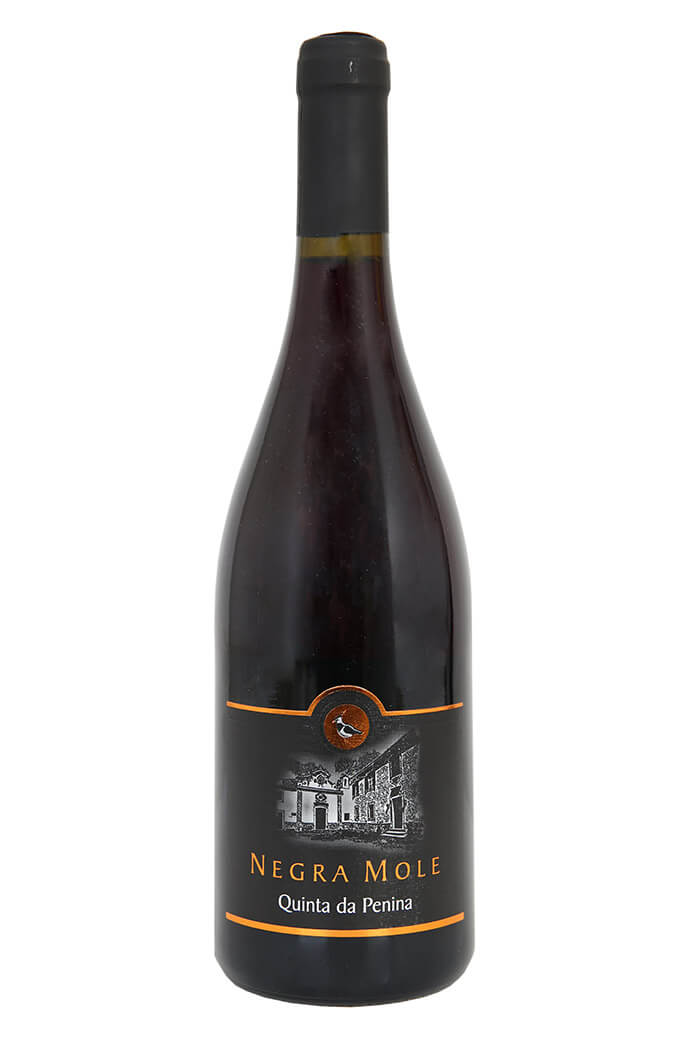
    João makes several wines with Quinta da Palmeirinha’s old Negra Mole vines, starting with the alluring salmon-coloured Foral de Portimão rosé (€6.50). “It’s the grape variety’s natural colour when pressed,” he states. Then there is the Quinta da Penina 2019 (€10), a Negra Mole to which he adds just 10% of Castelão to give it a ruby-red colour. With aromas of fresh black fruits, notes of pepper and orange blossom, it is fresh and fruity in the mouth, with smooth, velvety tannins.

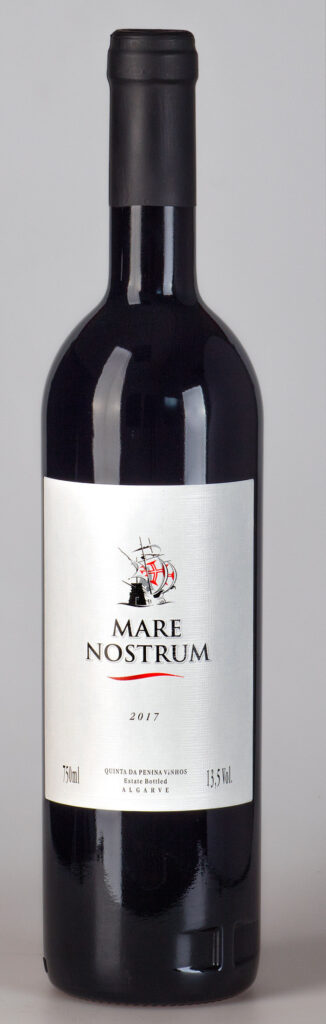
    Historical Quinta da Palmeirinha in the Algarve, Red Mare Nostrum
    Red Mare Nostrum

    The Quinta da Penina Tradição (€6.50), a blend of equal parts of Negra Mole and Castelão, with ripe red fruits and vanilla aromas, is a full-bodied red, smooth in the mouth, with an elegant finish. As for white, the Quinta da Penina DOP (€5), made from 100% Crato Branco, has fruity notes of pear and pineapple. In the mouth, it is balanced and fresh, with good volume and a long and persistent finish.

    João is also known for making top-class, single-varietal Petit Verdot wines. His Quinta da Penina Grande Reserva 2016 (€10), made with grapes produced in Portimão, won a gold medal at the International Berlin wine competition in 2020.

    Visit Quinta da Penina brand or follow on Instagram and Facebook.

    Text Alexandra Stilwell 

    Read more Algarve News:

  • How a regional winery in Lagoa embraces tradition to produce great results

    How a regional winery in Lagoa embraces tradition to produce great results

    Since 2011, Monte de Salicos has produced 20,000 bottles of Red, White and Rosé wine annually, using tried and tested methods

    – August 22, 2022

    Monte de Salicos, Algarve Portugal

    Between Carvoeiro beach and the town of Lagoa, Monte de Salicos (MDS), a 13-hectare property, has been cultivated since the 18th century. It has been in the hands of the Cabrita family for at least five generations and, in 1999, António Cabrita, a local doctor from and now co-owner, planted the first vineyards. Years later, in 2011, the winery was built, stainless steel vats were installed and so began the production of the first wines with the MDS. “Our red grape varieties are Aragonez, Syrah, Touriga Nacional and Cabernet Sauvignon. For the white ones, we have Moscatel Galego, Sauvignon Blanc, Verdelho, Pinot Gris and Viognier”, says Pedro Cabrita, who is also a doctor and co-owner of MDS with his father.

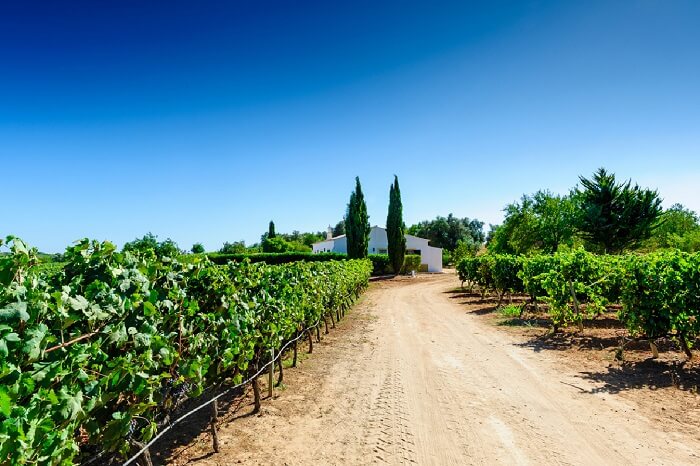
    With the sea only about three kilometres away, the vineyard’s exposure to the sea breeze, with clay-limestone soils, provides the ideal conditions both for the development of grape varieties such as Cabernet Sauvignon or Syrah, and for Portuguese varieties, such as Touriga Nacional. “It’s a soil that has never had any additives, it’s natural to the area and typically Algarvian”, assures Pedro Cabrita, adding that the production is “almost biological, and almost totally non-industrial”. The doctor adds that they “use very few products in the vineyard and it’s a very different production from the industrialised kind you see everywhere. But otherwise it’s a typically regional wine”, from over eight hectares of vines. All the winemaking process is supervised by winemaker Mário Andrade.

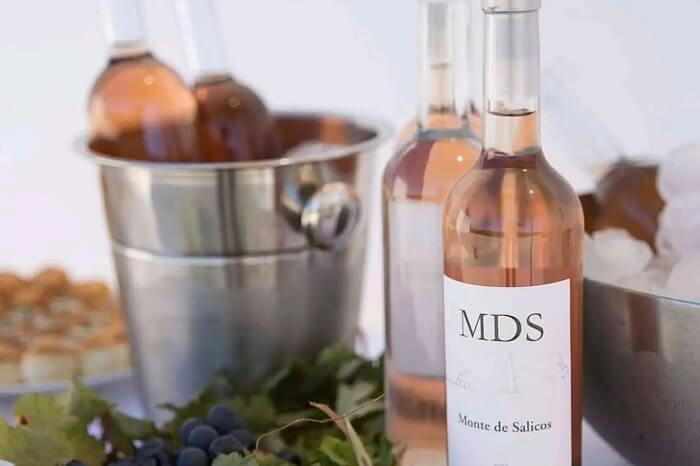
    Monte de Salicos rose

    Made from the Aragonez, Touriga Nacional, Syrah and Cabernet Sauvignon grape varieties, the MDS Tinto (which the Quinta describes as “elegant, young and wild”) presents an aroma of ripe red fruits and soft leather. This is a wine with balanced tannins and acidity, which goes well with meat dishes and exotic and spicy foods. On the other hand, perfect for pairing with Mediterranean or traditional Portuguese dishes, the MDS Tinto Touriga Nacional is a blend made from the Syrah grape variety and aged for six months in oak wood. It has aromas of plums, red fruits and a touch of spices.

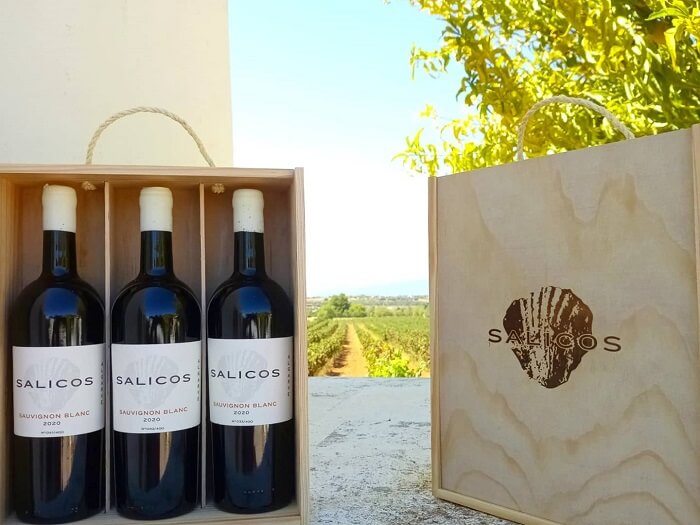
    Meanwhile, the MDS White is ideal for fish and seafood dishes, with a persistent finish of balanced flavours and aromas of tropical fruits. It is made from the Verdelho, Moscatel Galego and Sauvignon Blanc grape varieties. Finally, the MDS Rosé is ideal for a late summer afternoon, to accompany sushi or even a salad. It has red fruit aromas, an excellent minerality and is made from Aragonez and Touriga Nacional.

    Monte de Salicos

    With time, the winery’s producing capacity increased, and, today, they churn out around 20,000 bottles per year, which can be found in supermarkets as well as restaurants across the region. The estate also has a few awards to its name, displayed in the tasting room. “We have won the gold medal for wines from the Algarve and other medals in regional and national competitions. For the production that we have, with very few wines and after just 10 years in business, we are very proud of what we have already achieved, and we hope to achieve even more,” states Pedro Cabrita.

    But MDS’s operations extend beyond wine production. “We sell carob, we have collaborated with the Town Council in various activities such as the Lagoa Wine Experiences, we hold events and wine tastings. The Quinta is pretty much always open,” says the co-owner.

    They also provide local accommodation, in a house set very close to the vineyards, with two bedrooms, a private pool and barbecue, available to rent all year round. “We are full for this summer and there is already a lot of people interested in our wine-related activities. I have noticed differences in the tourist profile, with more and more foreigners,” he explains.

    Monte de Salicos vinha

    As for the future, although MDS has been part of the UNESCO heritage routes in the municipality of Lagoa since 2017, they have no plans to go global. “We want to expand both the winery and our production capacity. Our ambition is not to become a large company. The goal is always to maintain the genuineness that the Quinta has always had,” he points out. But, above all, is the legacy Pedro Cabrita would like to leave behind. “MDS has been in our family for at least five generations. Today it’s me, my father, my wife and my daughter. We are all heavily involved in this project, which I hope will stay in the family.”

    Follow Monte de Salicos on Facebook and Instagram.

    Text Maria Simiris

    Read more Algarve News:

  • The Algarve’s First urban organic mushroom farm

    The Algarve’s First urban organic mushroom farm

    A hard-working couple used their downtime during the pandemic productively to turn a fascinating idea into the Algarve’s first urban organic mushroom farm

    – August 22, 2022

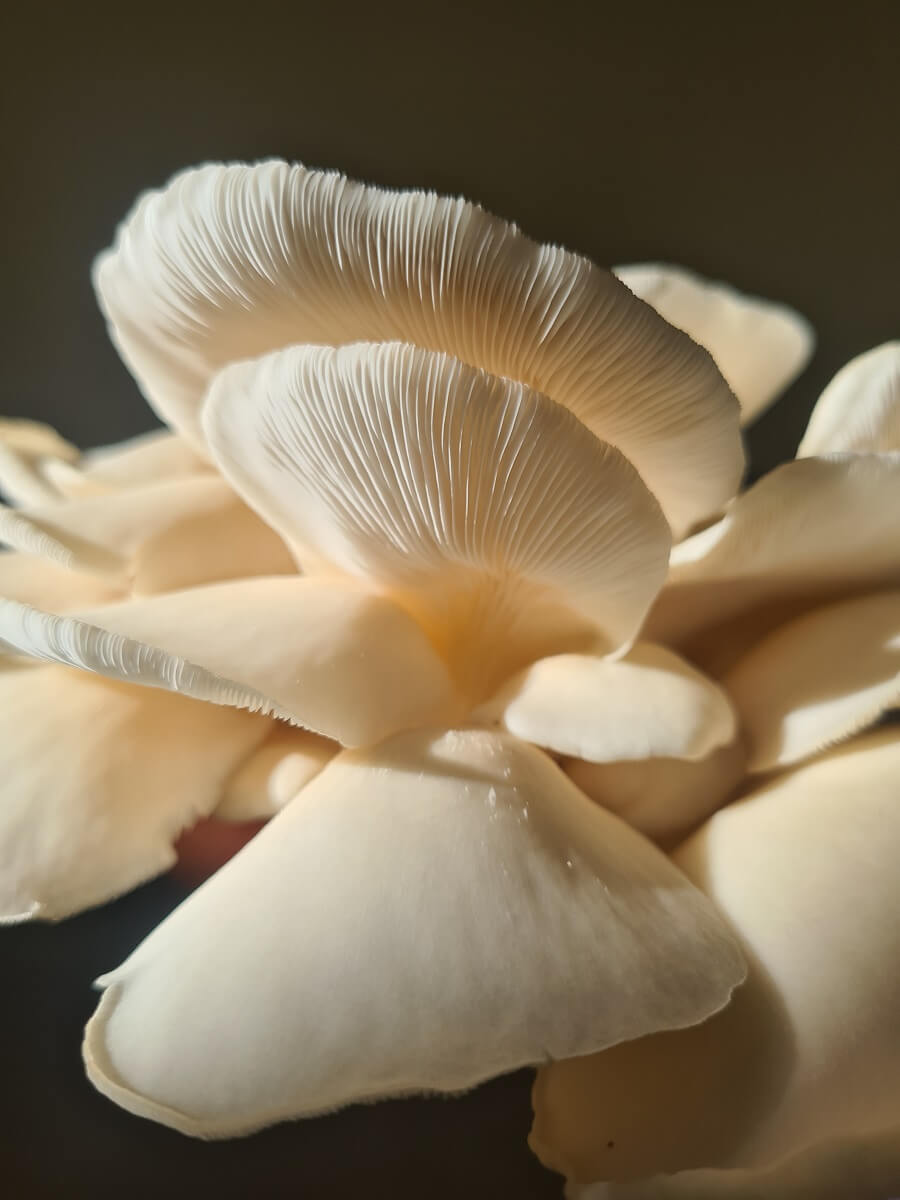
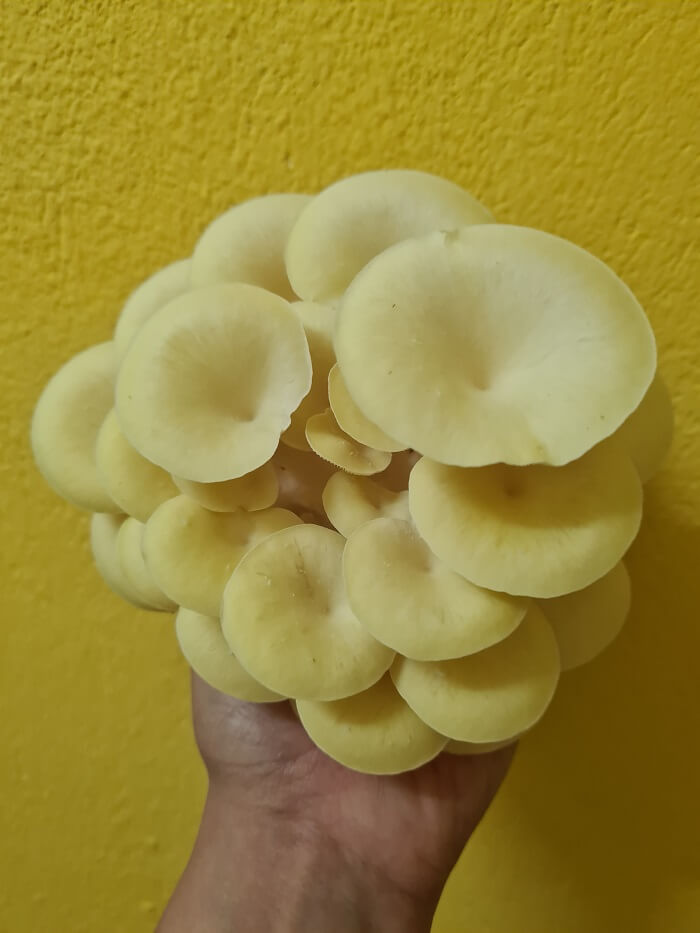
    hypsizygus ulmarius - Elm oyster, Gribb Farm, Algarve

    Mushrooms produced organically in the basement of a store in Portimão have quickly become all the rage among many of the Algarve’s best restaurants and their chefs.

    Gribb, the Russian name for ‘mushroom’ or ‘fungi’, is the Algarve’s first urban organic mushroom farm, having opened in December 2021 near Portimão’s Largo da Mó square, on the busy shopping street Rua das Lojas.

    Day's harvest, Gribb Farm, Algarve
    Day’s harvest

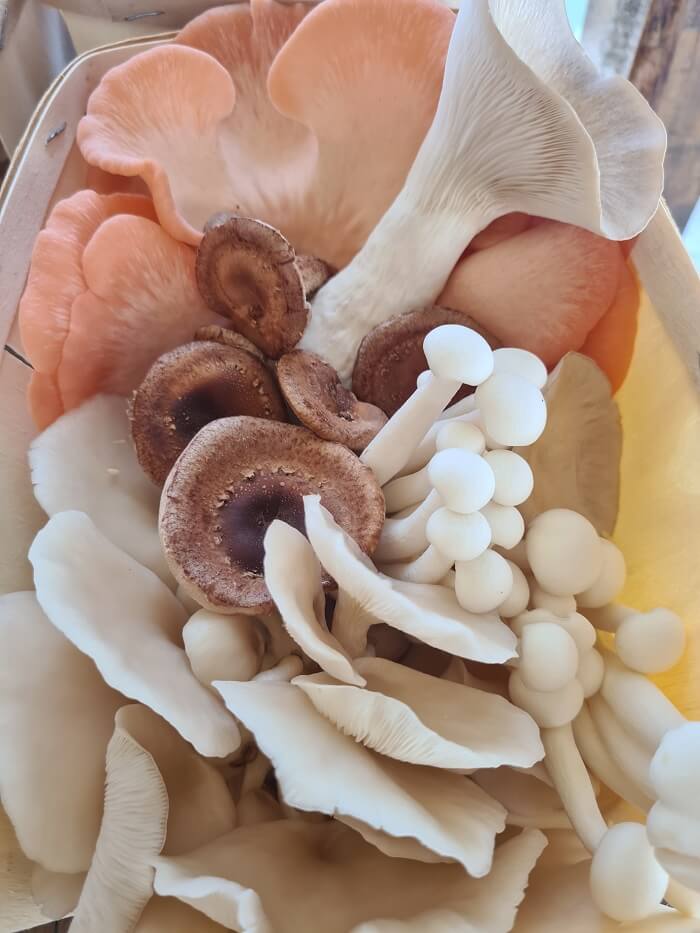
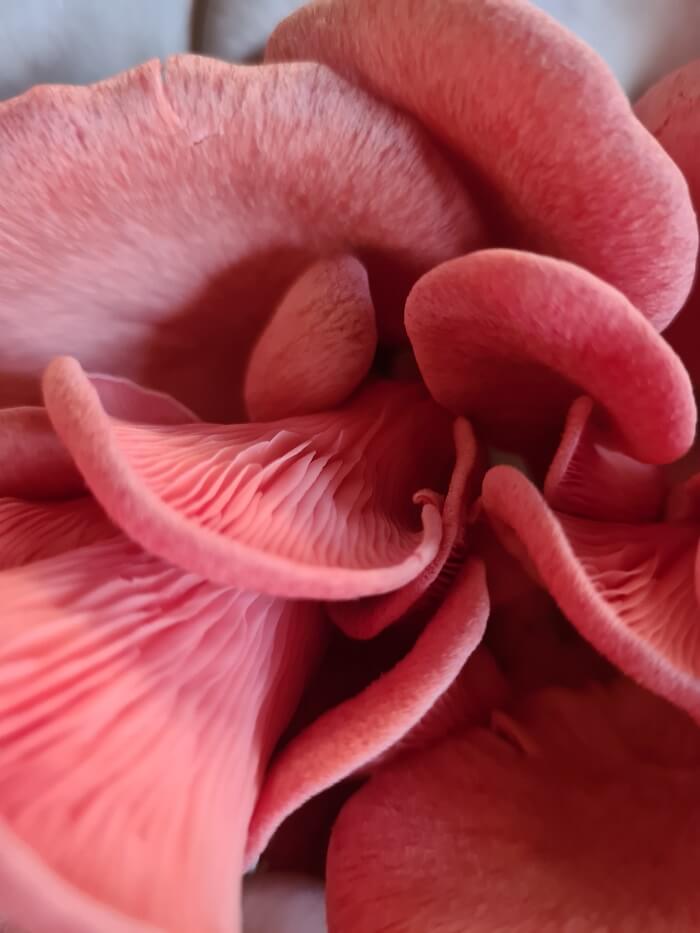
    Production has increased over the last few months from 10 mushroom species to 14, including household names like shiitake, but mostly types that you will be hard-pressed to find on supermarket shelves in the Algarve, such as lion’s mane or pink oyster.

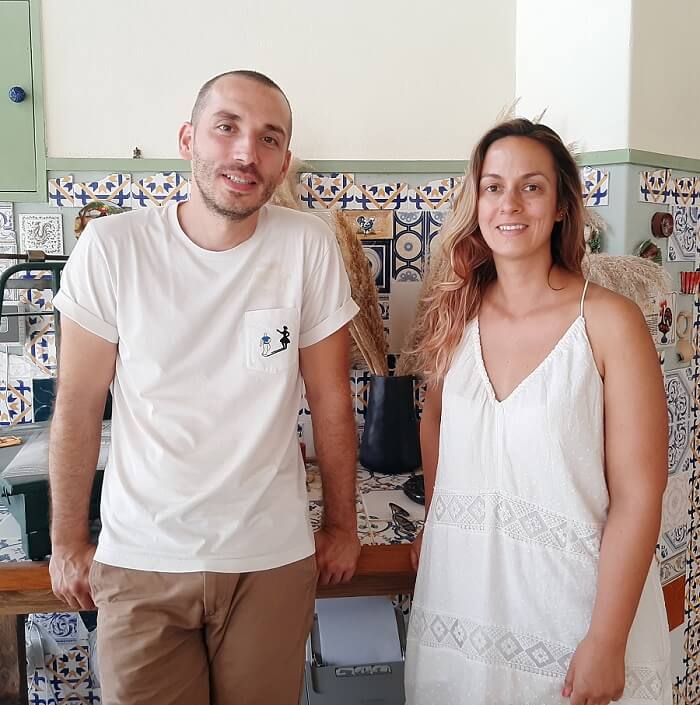
    Cláudia Martins and Ion Volosciuc are both aged 34, vegetarians and try to live a life that is “as sustainable as possible”. They spent six years living in London before they decided to move back to Portimão to pursue this new-found dream – to open their own organic, sustainably-minded mushroom farm.

    Gribb Farm, Algarve

    “I was always fascinated by agriculture, but I never imagined myself doing it,” said Ion, a self-described “high-school dropout” who had worked for nearly 20 years in the hotel and restaurant sectors, mostly in managerial positions. Meanwhile, Cláudia studied optometry and was working in her field in London.

    But when Covid-19 broke out and we were all confined to our homes, Ion found himself discovering more and more about the different uses of mycelium – the vegetative body for fungi that produces mushrooms. The seed was planted in their minds and, after months of studying and researching how they could use mycelium to grow their own mushrooms in an urban environment, they decided to bite the bullet and move back to Portimão to follow their new-found dream.

    Ion Volosciuc and Cláudia Martins ©Michael Bruxo, Gribb Farm, Algarve
    Ion Volosciuc and Cláudia Martins ©Michael Bruxo

    “We put all our eggs in the same basket,” Ion told us. “It was kind of a kamikaze move because this isn’t a side job or a hobby for us. It is our job,” Cláudia added. Leaving their old lives behind in London, Ion and Cláudia found a store in Portimão where they could set up their new operation. “There was a lot of studying going into this. We understood the theory and, on paper, it seemed very doable. We created the project, had a business plan, it was well-structured, but we had never actually experimented growing the mushrooms,” Ion said.

    However, the risk paid off. Their experiments were successful, and the major change they made to the usual urban mushroom production process worked. “What we are doing is not new, except there is a little catch. While others use wood pellets as their substrate for growing mushrooms, we use wood waste from carpentry companies,” said Ion. “It is basically sawdust free from any kind of chemicals or toxic compounds. For carpenters, it is waste that is usually burnt or thrown out. I have friends in Monchique who work in the industry, and we’re actually doing them a favour by taking it away,” Ion explained.

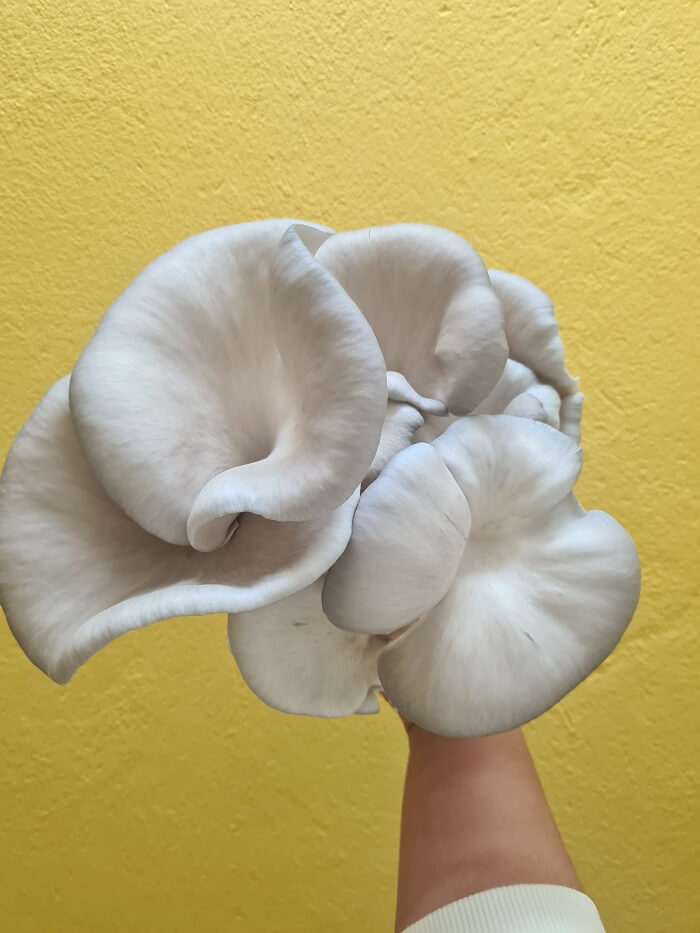
    pleorotus columbinus - Blue oyster, Gribb Farm, Algarve
    pleorotus columbinus – Blue oyster

    We were taken on a tour of the production process, which includes several steps, such as introducing the mycelium to the substrate (the sawdust) and allowing it to grow throughout a series of different steps until it is finally placed inside a special tent to reach the final stage of growth. After trying the mushrooms for themselves for the first time – “and living to tell the tale”, as they put it – it was time to start contacting local restaurants and hotels. Ion and Cláudia put together a list of the restaurants and hotels that they wanted to work with and decided to go knocking on doors. It did not take long before the mushrooms became a hit among chefs in the Algarve.

    “I worked in the hotel sector for nearly 20 years, so I worked very closely with chefs. I know that when there is a very good product on the market, chefs don’t mind paying more or waiting however long it takes to have it, because they like working with quality products. We take pride in what we do, and that makes a difference,” said Ion, adding that word of mouth played a big role in spreading their farm’s name. “It’s just the two of us working here,” Cláudia explains. “We deliver the mushrooms ourselves. We wouldn’t want it any other way. We look after the mushrooms from start, all the way to delivery.”

    pleorotus djamor - Pink oyster, Gribb Farm, Algarve
    pleorotus djamor – Pink oyster

    Success has been so great that Ion and Cláudia say their current store is already proving too small to meet production needs. “We will eventually move to a bigger space, but even then, we will do things the same way because it is the only way that makes sense to us. We have already been approached by people who wanted to export the mushrooms to France and Denmark, or introduce a more industrialised production method, but we said no,” Ion said. “We always said that if we had to do something for the money, it wouldn’t be done well. In our case, we love what we do, and we do it with care, love and dedication. And that plays a big role in the final result.”

    The demanding nature of the job means there is little time for holidays or even a day off. But seeing their project come to life so successfully is what proves to them that they made the right decision. “It’s a very rewarding feeling. It motivates us and proves to us that we cannot give up after coming this far,” said Ion.

    So, what lies ahead for Gribb now that it has established itself in the Algarve? “We don’t want to just produce fresh mushrooms,” Ion guaranteed. “Our next step is to create mushroom supplements and then mycelium-based biomaterials and enter the world of mycelium-based alternatives to meat,” he said, adding that the plan is to move forward with these ideas in the next two to three years. “Urban farming is the future. All the spaces that we (humans) have destroyed to build cities can now be used to grow food – and we want to be a part of that.”

    Where can you buy the mushrooms?

    Gribb’s mushrooms can be ordered directly on their website and picked up at the store. The couple also sell their mushrooms at Vivo Mercado, a weekly organic market held on Wednesdays in Lagos, and at Mercearia Bio store in Portimão. The price of an online order of the daily harvest mix starts at €8.

    Visit Gribb‘s website or follow on Instagram and Facebook.

    Text by Michael Bruxo

    Read more Algarve News:

  • Algarve fish canning factory “Conserveira do Arade” opens for visits

    Algarve fish canning factory “Conserveira do Arade” opens for visits

    conserveira do arade fishing factory

    Fish canning factory “Conserveira do Arade” in Parchal will open its doors for visitors this month

    – February 2, 2022

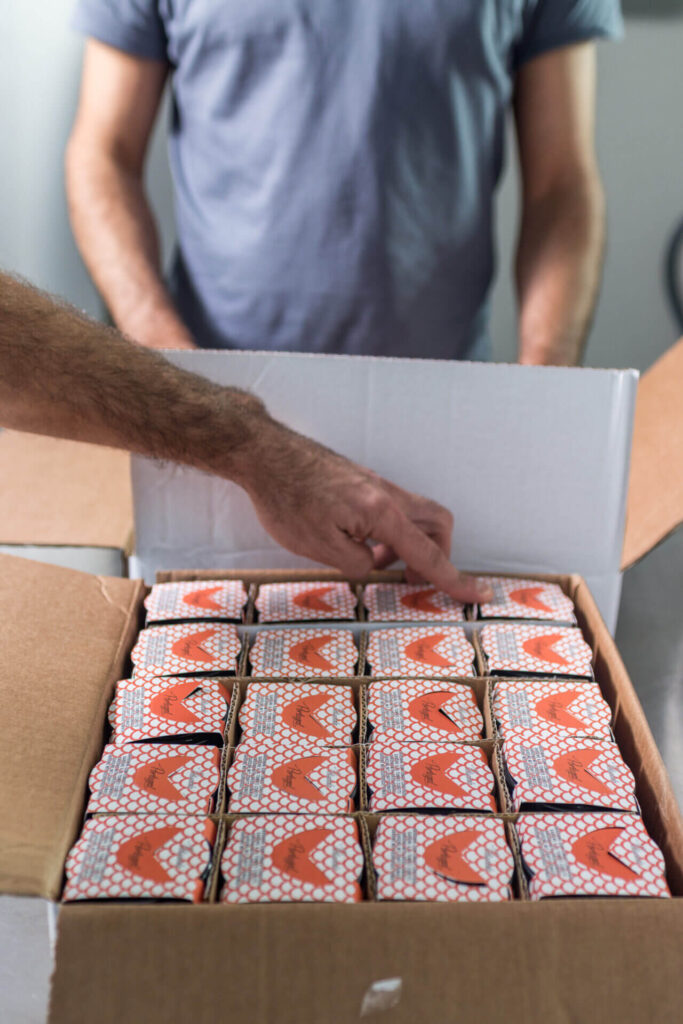
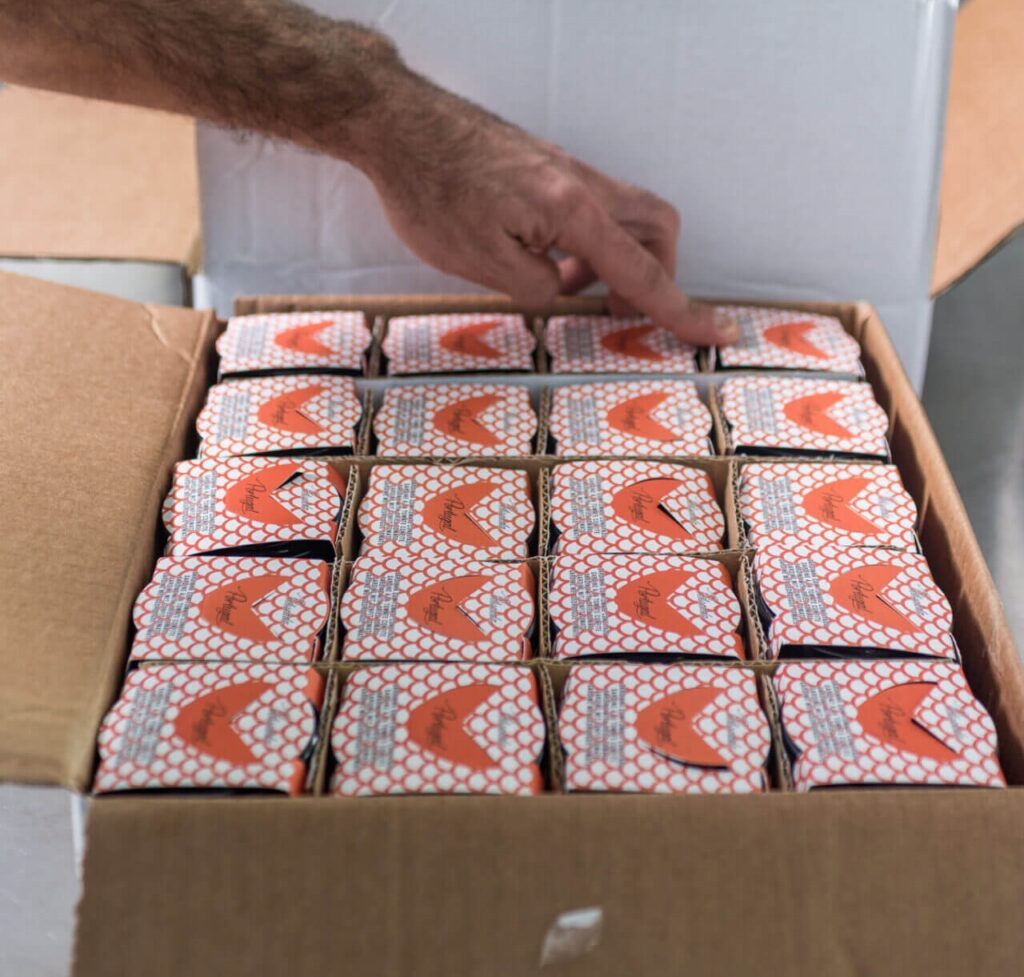
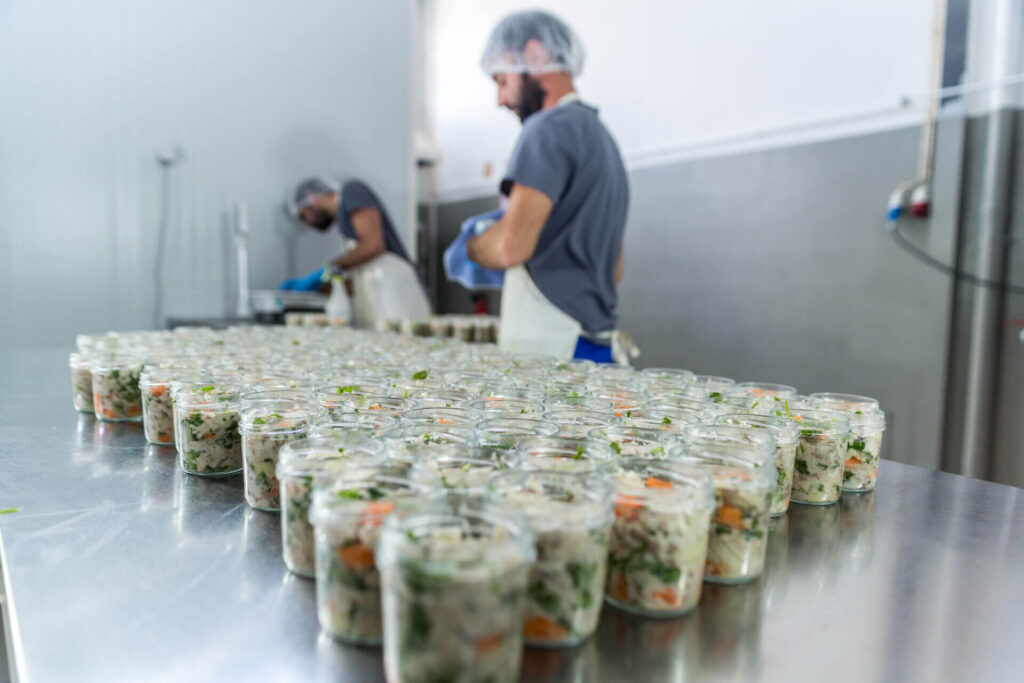
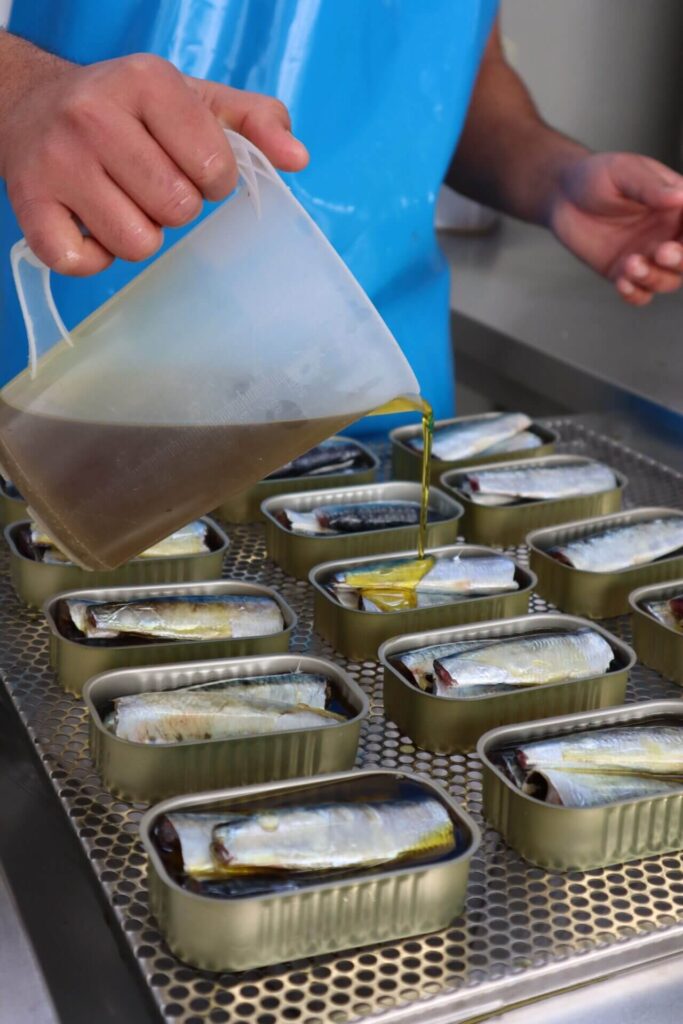
    Conserveira do Arade in Parchal is opening its fish canning factory for visits this month, allowing people to see how its Saboreal and Papa Anzóis products are made.

    Says the company, the goal is to bring the region’s fish canning traditions back into the limelight and show people how canned goods are still produced in the Western Algarve.

    The guided visits will be divided into two parts: the first will focus on showing visitors around the production and canning facilities, followed by a tasting event.

    The visits will begin in February and cost €10 per person. Admission is free for children aged under 12. Group visits can also be booked (for groups of no more than 10 people).

    Orgulhosamente-Artesanal-06-Saboreal-conserveira do arade fishing factory

    Conserveira do Arade will also be unveiling its new factory store, open from 9am to 5pm, which will allow visitors to purchase the company’s products directly from the factory.

    Visit Conserveira do Arade’s website here. | +351 282 498 170 | geral@saboreal.pt

    Source: Algarve Resident Newspaper

    conserveira do arade fishing factory Papa Anzois line


  • Short Film About Organic Oranges Wins Impact DOCS Award

    Short Film About Organic Oranges Wins Impact DOCS Award

    The Orange Life of the Algarve Short Film Algarve

    “The Orange Life of the Algarve”, by Sebastiaan Opschoor

    – December 6, 2021

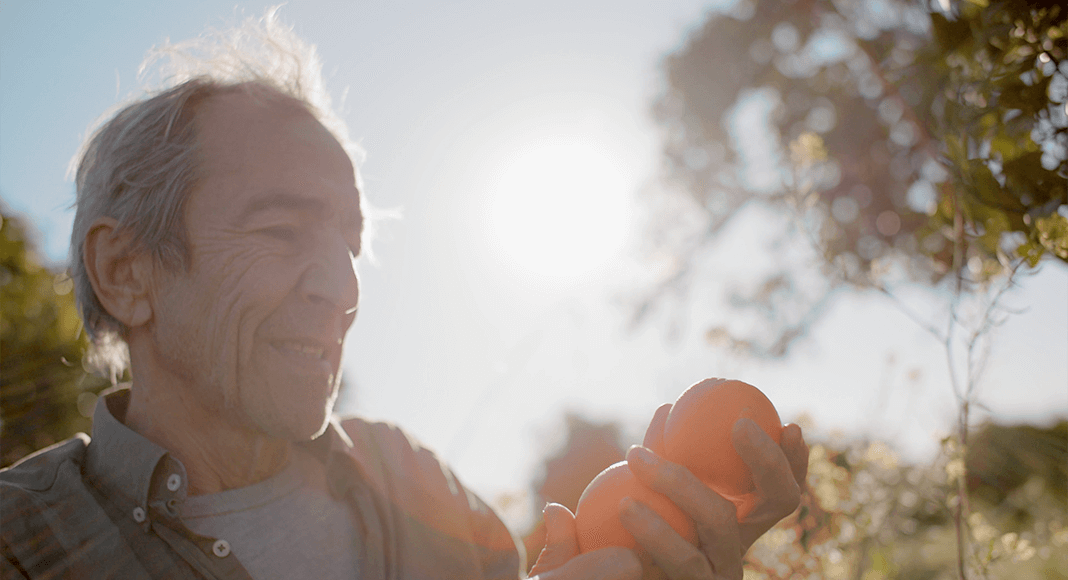
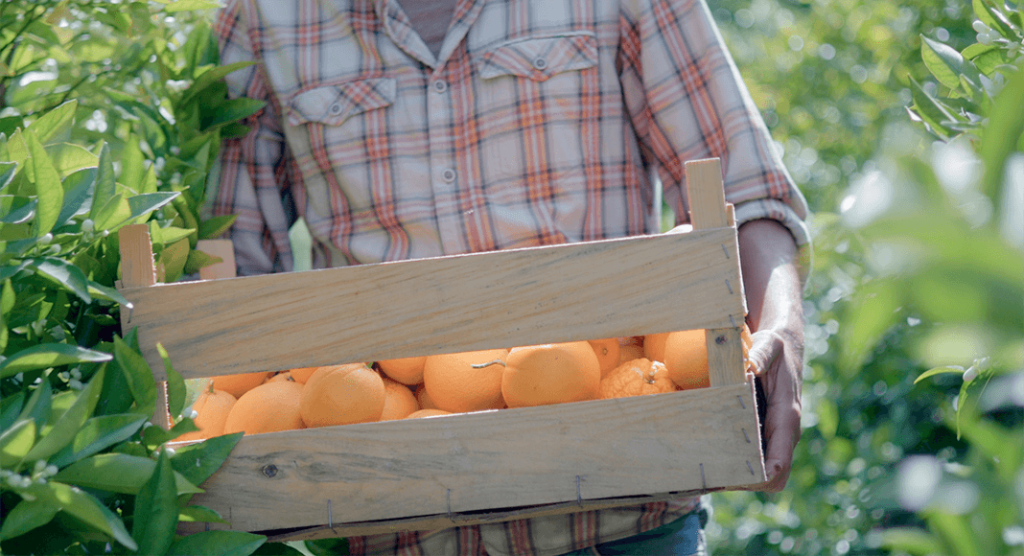
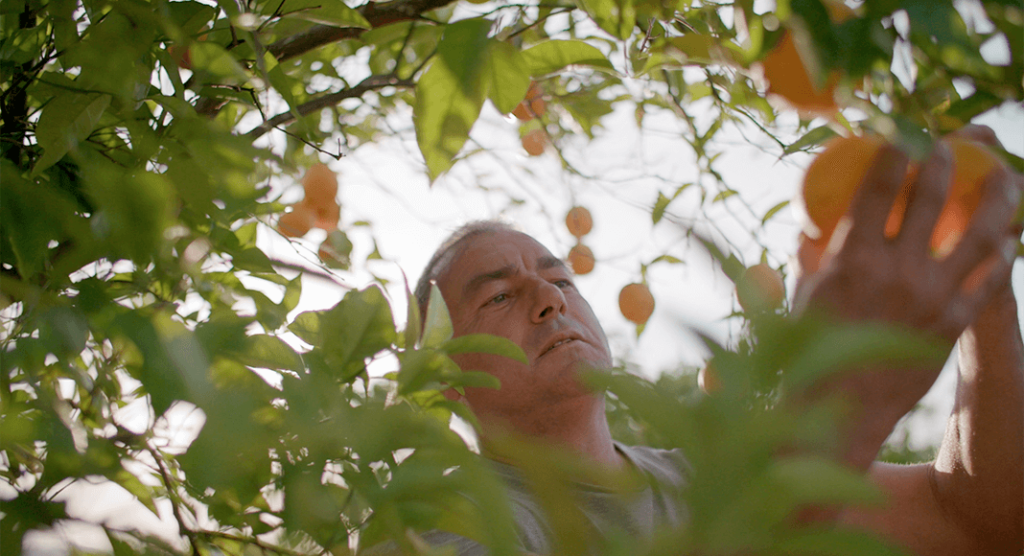
    Sebastiaan Opschoor, independent filmmaker residing in Portugal, won a prestigious Award of Merit from the Impact DOCS Awards Competition in the United States. The award was given for Sebastiaan Opschoor’s short documentary The Orange Life of the Algarve, which highlights organic orange farming in the Algarve.

    Watch the trailer here: https://filmfreeway.com/TheOrangeLifeoftheAlgarve

    “I set out to showcase the special Algarvian orange but ultimately found a group of passionate organic farmers that forced me to tell a deeper story. A story of an industry that is excessively using chemicals because they think they need it to meet mass demand. It’s organic farmers like João Rocha and Rui Vieira that hopefully inspire a change towards sustainable farming,” says Sebastiaan Opschoor.

    The Orange Life of the Algarve has also won the Cotswold International Film Festival for Best Documentary Short Film. The short film was made without any budget and produced by Matteo Rovetti of Algarve Food Experience and Pash Marketing Agency. Postproduction was done by Pim Gelevert from the Netherlands.

    The short tells the story of a growing movement of organic farmers that promote “a feasible and sustainable solution that could ultimately position the Algarve as one of the leading organic orange farming areas in Europe”. “In the Algarve, you find a surprisingly sweet and juicy orange, considered one of the best in the world. But production is plagued by commerce, monoculture, and the use of pesticides.

    The Orange Life of the Algarve Short Film Inside Carvoeiro
    Photo by Rui Vieira

    This presents an immediate danger to all life around it. Currently, only around 1% of all oranges in the Algarve are organic. Algarve falls behind to the northern regions of Portugal, where vineyards and olive producers are quickly transitioning to biological farming,” say film producers. The short film has yet to be released to the public as the film is awaiting results of other international film festivals and options are being considered for broader distribution.

    Impact DOCS recognises film, television, videography, and new media professionals who demonstrate exceptional achievement in craft and creativity, and those who produce standout entertainment or contribute to profound social change. Documentaries were received from 30 countries, including veteran award-winning filmmakers and fresh new talent. Entries were judged by professionals in the film and television industry.


    Photos by Rui Vieira and João Rocha