Tag: Algarve Business

  • Alma’te: The new Zen therapy space in Portimão

    Alma’te: The new Zen therapy space in Portimão

    Motivated by her desire to instil daily habits focused on physical and mental well-being in others, Débora Rio has opened Alma’te, offering a wide range of massage and energy therapy services

    – December 11, 2023 | Text Beatriz Maio
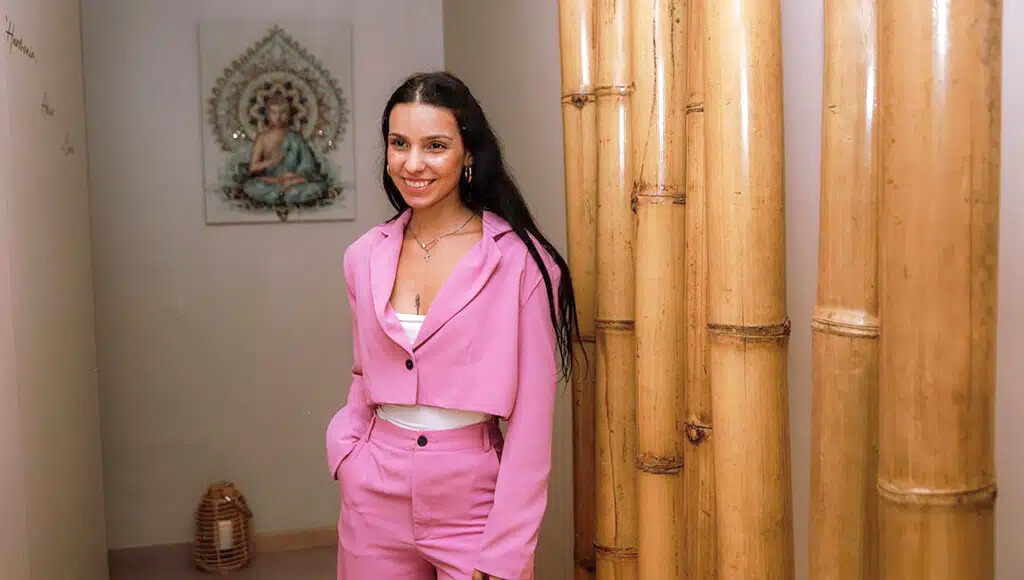
    Her passion for this field started at a young age. Since she was a young girl, Débora Rio enjoyed giving her mother a massage with body creams after a bath. Later, and driven by her entrepreneurial spirit, she underwent several training courses and worked in five-star spas, acupuncture clinics, and beauty centres to gain knowledge, “both in terms of the relaxation and therapeutic aspects”.

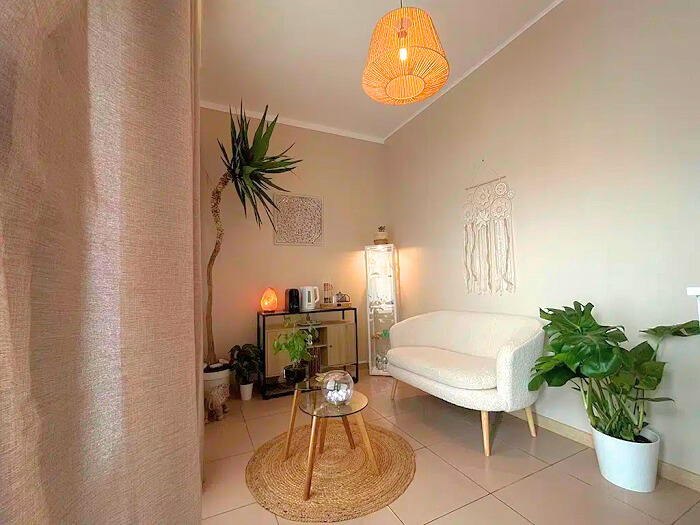
    When she had the idea to open her own business, she didn’t hesitate and decided to invest in a “zen and welcoming” place where tranquillity and harmony prevail. As soon as you enter the space, you immediately feel that worries are left at the doorstep, not only due to the scent of incense but also because of the neutral tones, a comfortable sofa, and natural elements in the décor.
    Conveying “calm and good energy” is a priority for Débora Rio, who, with a cheerful smile, aims to pass on the message that “self-love should never be set aside, and taking care of the body and soul is taking care of our physical and mental health.

    “We look after others every day, family and friends, and we give our best at work and when performing household tasks, which can lead to extreme fatigue in both the body and mind,” she said, stressing that “often, we forget what is most important: ourselves”.

    Débora Rio also highlights the importance of being able to “provide ourselves with good moments and elevate our self-perception”, which is why she chose the name Alma’te (which literally means ‘soul yourself’ and is a play on the expression ‘Ama-te’, which means ‘love yourself’).
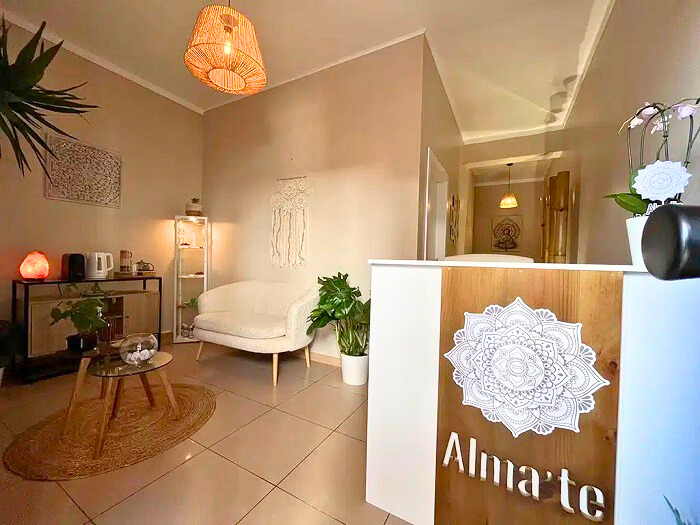
    At her space, Débora provides therapeutic massages that, in her words, should be seen as “body maintenance” that helps prevent future problems.

    Daily stress and accumulated worries manifest in the body, leading to muscular tension, poor posture, and repetitive movements, which can result in injuries,” the owner explained, adding that “those who view massages as a luxury and not a priority may later realise they were mistaken”.

    In addition to massage services, which offer benefits such as body relaxation, relief from muscular tension, stress and anxiety reduction, improved blood circulation, and reduced blood pressure, this space also offers spiritual cleansings, chakra alignment, and tarot consultations.

    “The body is not the only thing that needs care; the spiritual aspect also requires attention,” she said, stressing the importance of caring for both to achieve a sense of well-being.
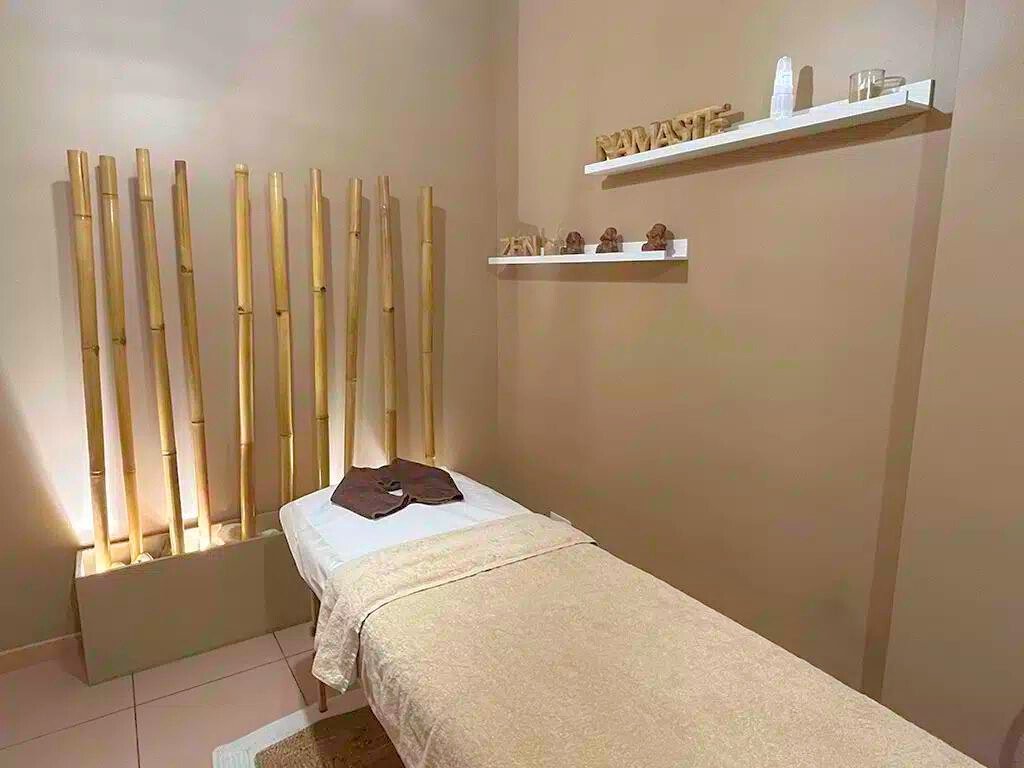
    The feeling of a “mission accomplished” when the day ends has been Débora Rio’s motivation as she recently embraced the challenge of starting a business at the age of 25. Concerns about strategies to promote the space and evolve as a professional are ongoing, as is uncertainty about the future. However, she believes that determination and resilience are “half of the path to success”.

    “Life is full of risks, and I love taking risks and stepping out of my comfort zone. I don’t like not doing something out of fear or hesitation,” she said, encouraging everyone to always follow their dreams.

    Alma’te is situated in Portimão, near Pingo Doce supermarket, close to the riverside area.

    For more information, contact Alma’te via +351927 577 775 or almate.deborario@gmail.com

  • Vitra Clinic has welcomed to its team a General Practitioner and a Speech Therapist

    Vitra Clinic has welcomed to its team a General Practitioner and a Speech Therapist

    Complementary care at Lagoa’s “reference clinic”

    – December 5, 2023 | Text Beatriz Maio

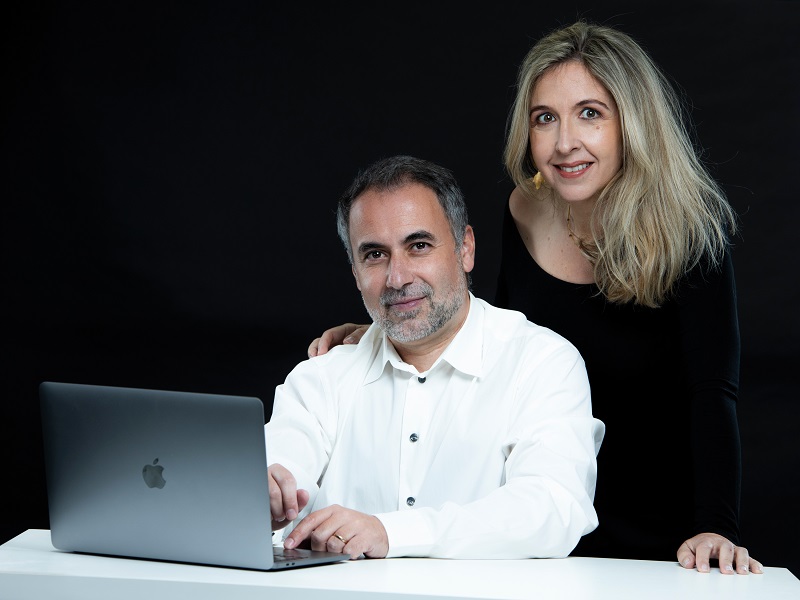
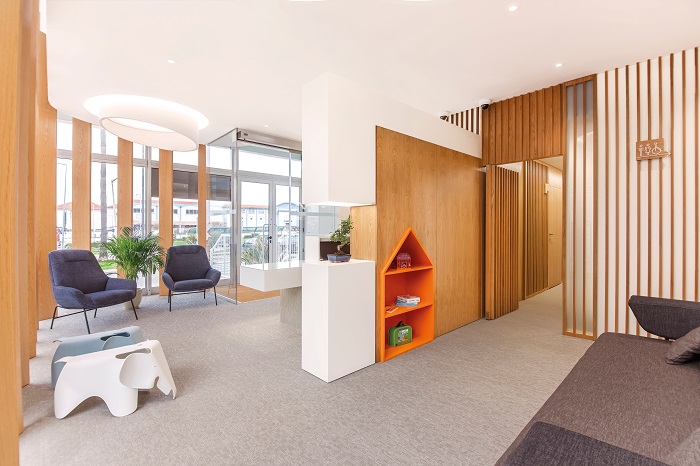
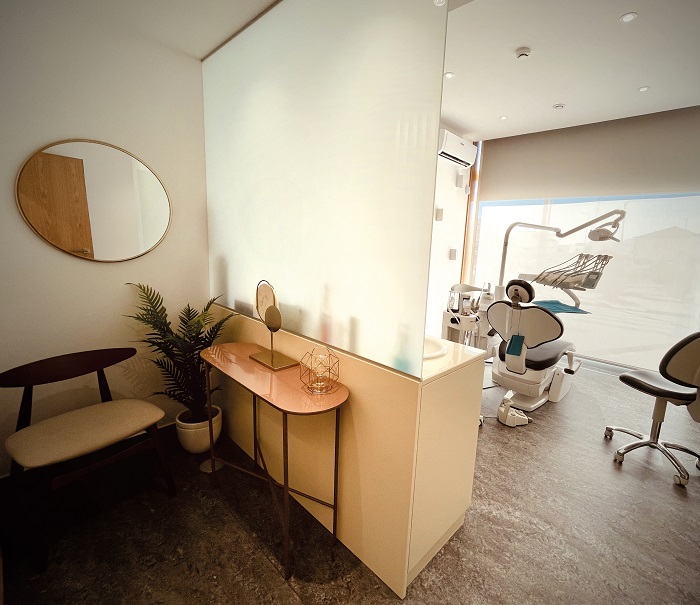
    The Vitra Clinic dental centre, in Lagoa, has extended its services to new areas. From now on, clients will be able to book General Family Medicine, Non-invasive Aesthetics, and a Speech Therapy appointment, all in the same space.

    Ana Pragosa & Sérgio Sousa
    Ana Pragosa & Sérgio Sousa

    This is an idea that the founders, Ana Pragosa and Sérgio Tavares de Sousa, had when they projected the facilities, therefore, the dentist’s office has a room available only for this purpose, which will be shared by Speech Therapist Tânia Francisco and General Practitioner Ângelo Afonso, who will also provide cosmetic services such as botox and medical facial peelings.

    “The GP and Speech Therapy appointments are for all ages and can be booked any day,” explained Doctor Ana, stressing the importance of having multiple services at the clinic.

    “We consider this addition to be an added value, making everything easier, closer, and more immediate,” she shared, adding that this will contribute to an effective and personalised care.

    Being “a reference clinic” is the aim of the owners who want to “give families a complete response” by creating a connection between dentistry and basic health issues, which also makes it possible to regularly monitor children’s growth.

    “All these services can complement each other and work as a whole,” concluded Doctor Ana.

    Follow Vitra Clinic on Instagram and Facebook.

  • Created and run by a tight-knight family, Olaria Nova is a mandatory stop in Lagos for lovers of artisanal pottery

    Created and run by a tight-knight family, Olaria Nova is a mandatory stop in Lagos for lovers of artisanal pottery

    Family matters: A unique space and a reference point in Lagos for over 30 years

    – December 2, 2023 | Text Beatriz Maio | Photos João Cabrita Silva

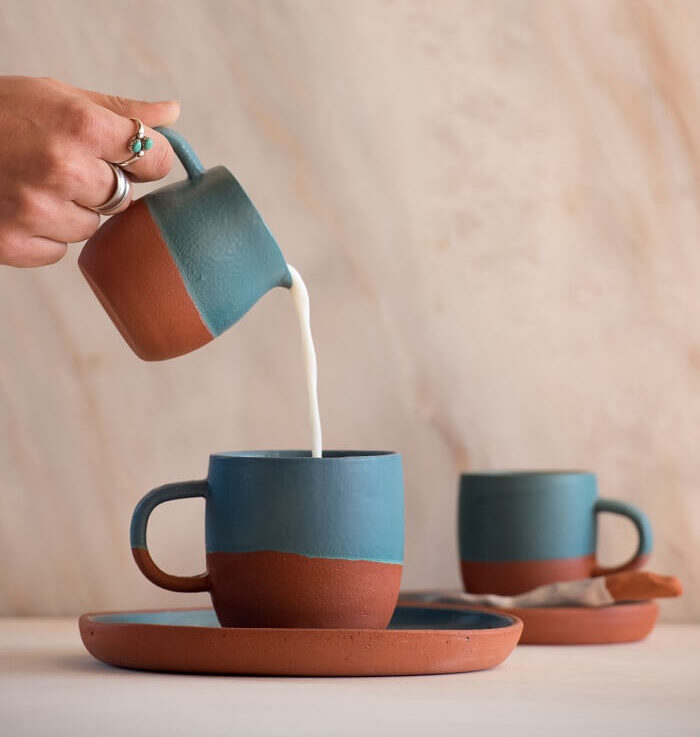
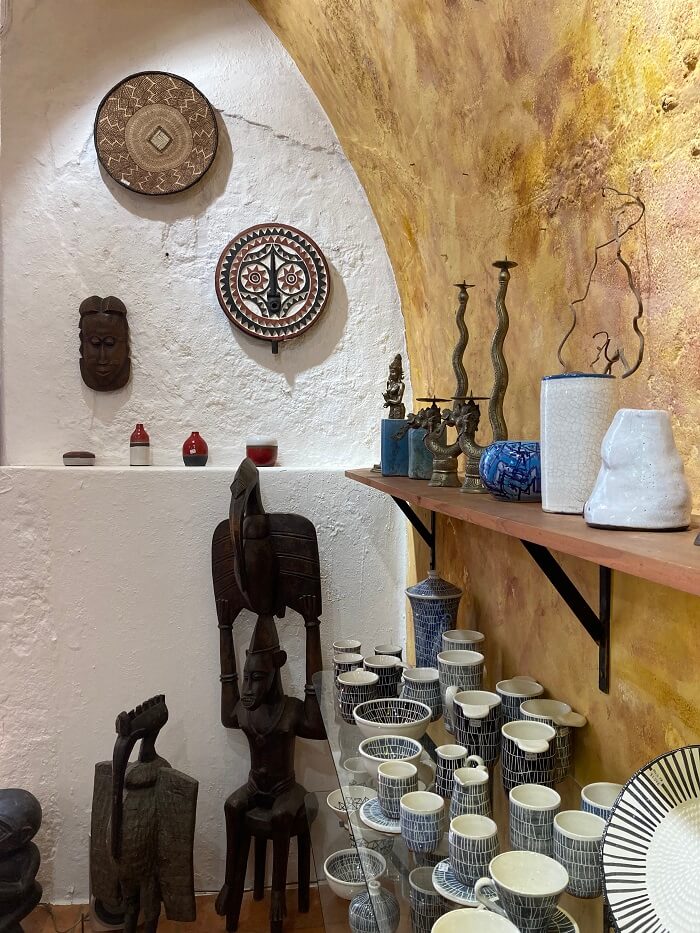
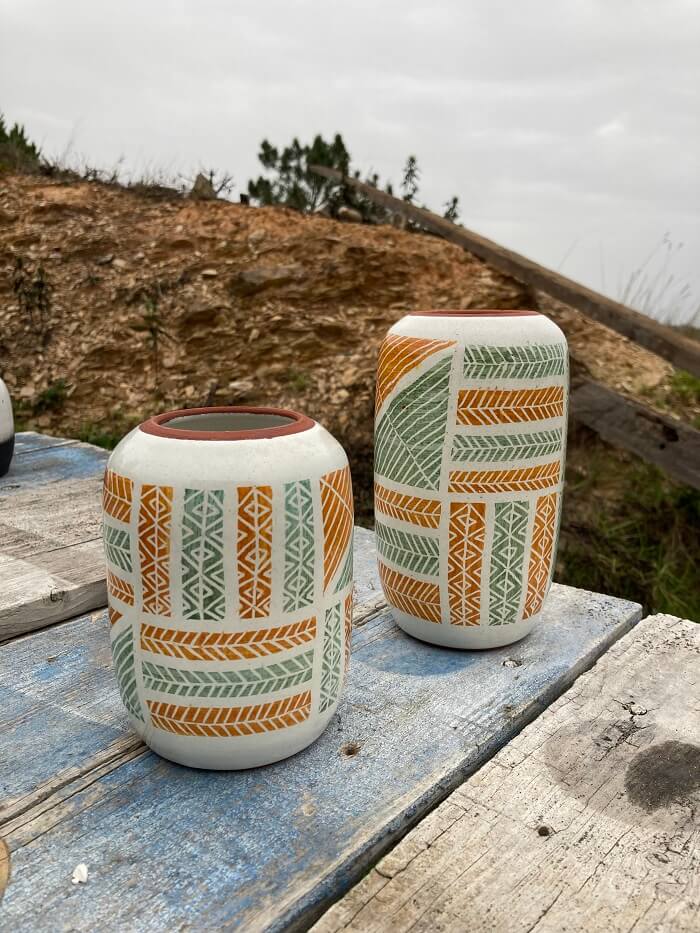
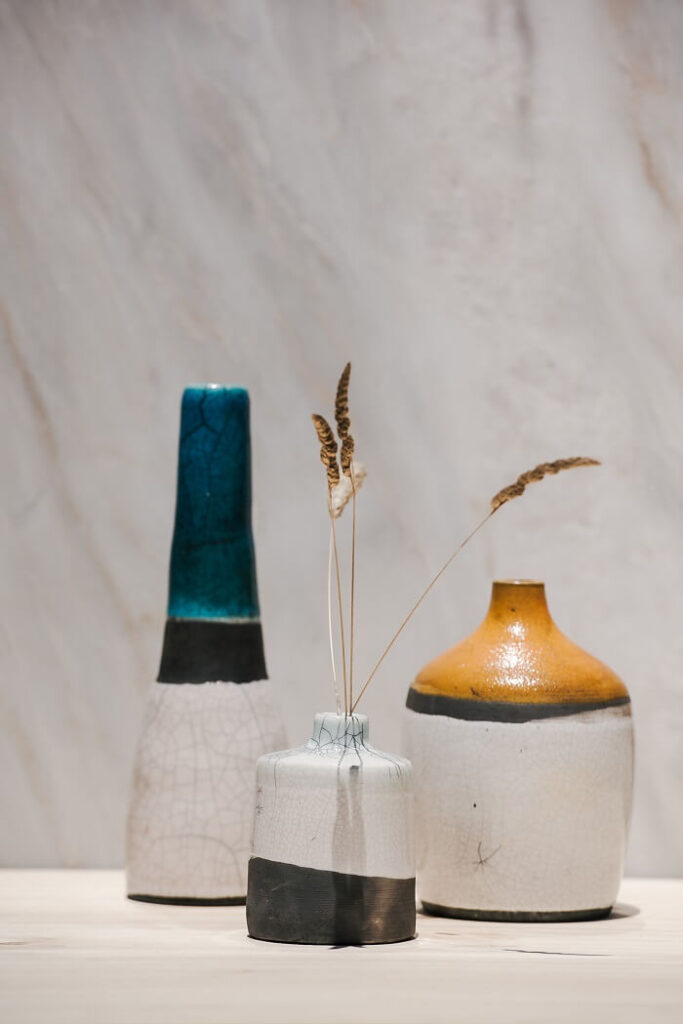
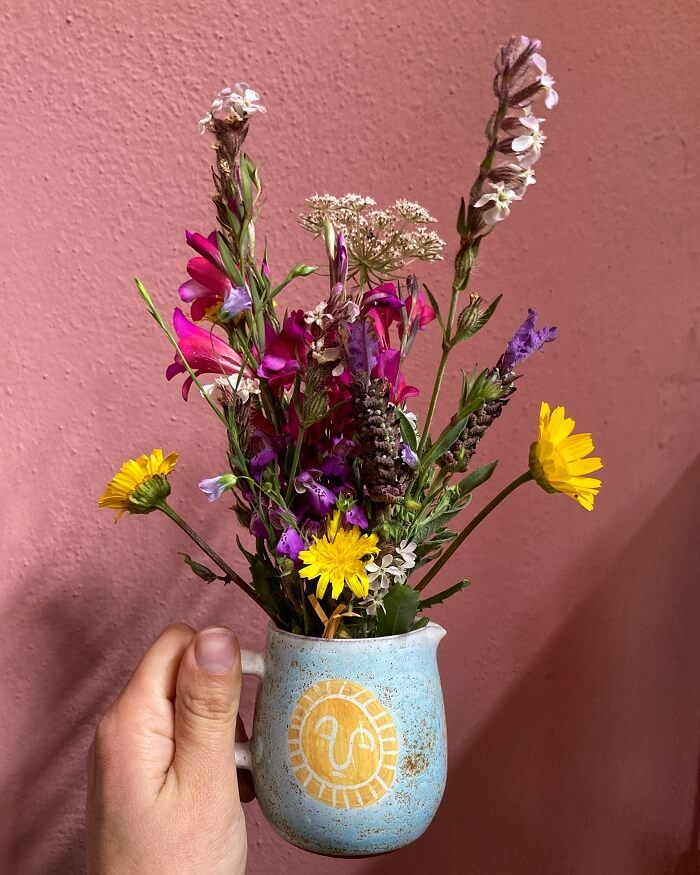
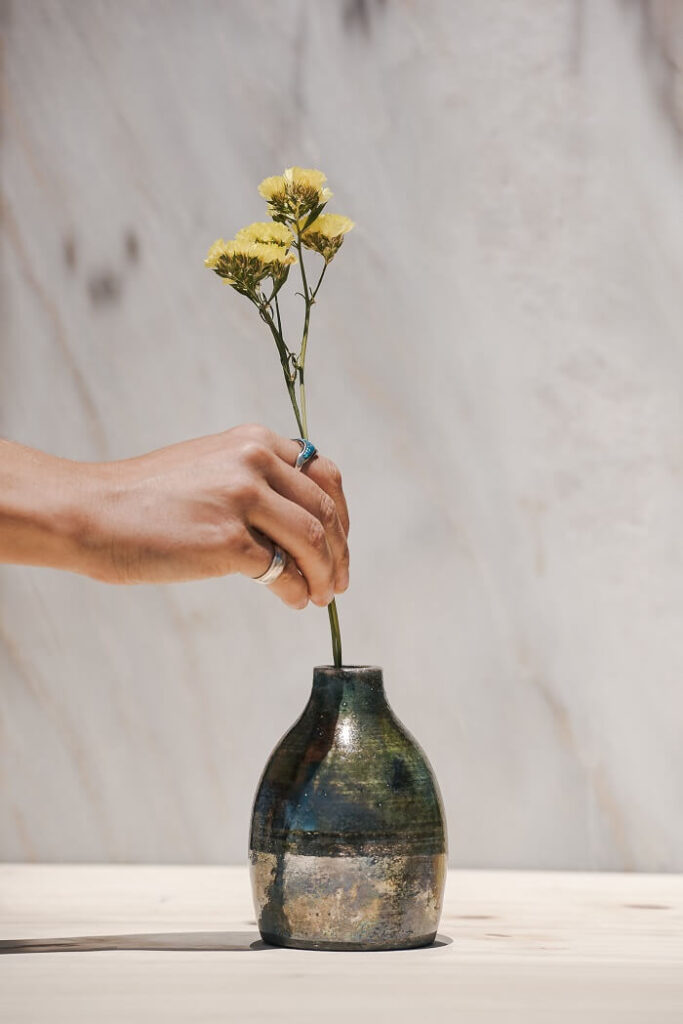
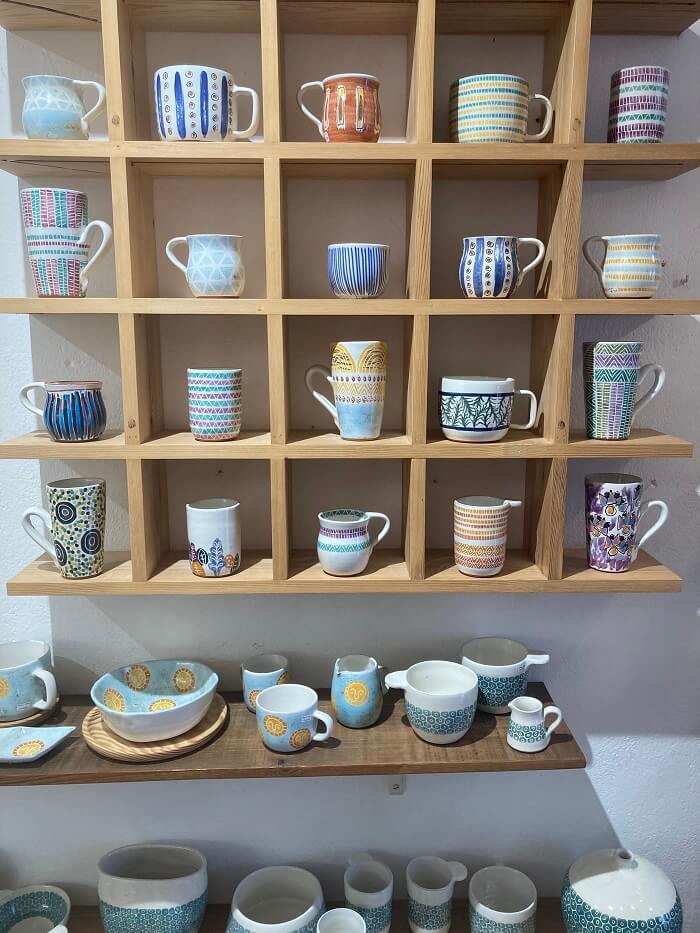
    José and Sabine de Sousa’s shop, located in the city centre, is a unique space that has become a reference point in Lagos for over 30 years. It is a place where you can breathe in love, creativity, and harmony, where joy and a sense of well-being are inevitable, be it because of the items on display, with strong colours and patterns, or the familiar and comfortable atmosphere.

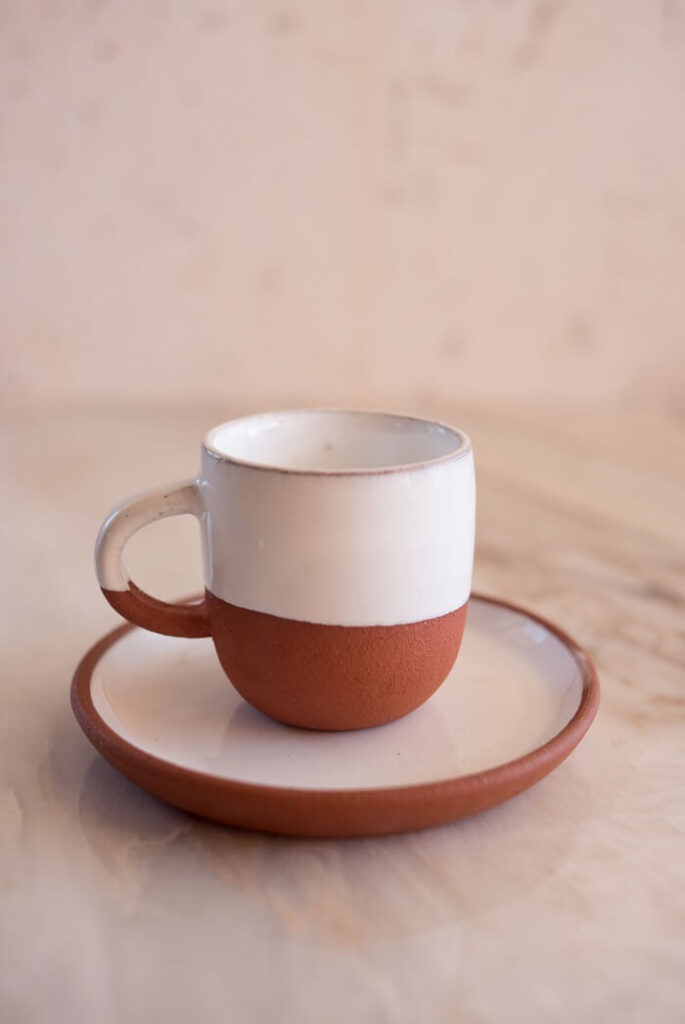
    The ceramic pieces are all made by members of the family, each with their own style and particularities. The son of Portuguese immigrants, José was born in Africa, and studied in the United States, where he learned the art of pottery, which he perfected when he moved to his parents’ homeland, whilst Sabine trained in Germany, where she is from. Her proximity to the Baltic Sea and love for the beach brought her to Lagos, where she met her husband through their connection to the well-known local sculptor and ceramicist Jorge Mealha.

    Together, they opened Olaria Nova in 1990, which was initially just a corridor, and ended up expanding in the first few years. “We were very successful straight away,” stated Sabine, recalling that they began with painted utilitarian pieces, such as cups and jugs, and then went on to explore other arenas.

    The couple’s three children help with the sales side, with their daughter Marlise and son Daniel working in production as well, using the knowledge they acquired from their parents. Later, Mónica Pereira, Daniel’s girlfriend who also enjoys this craft, joined them.

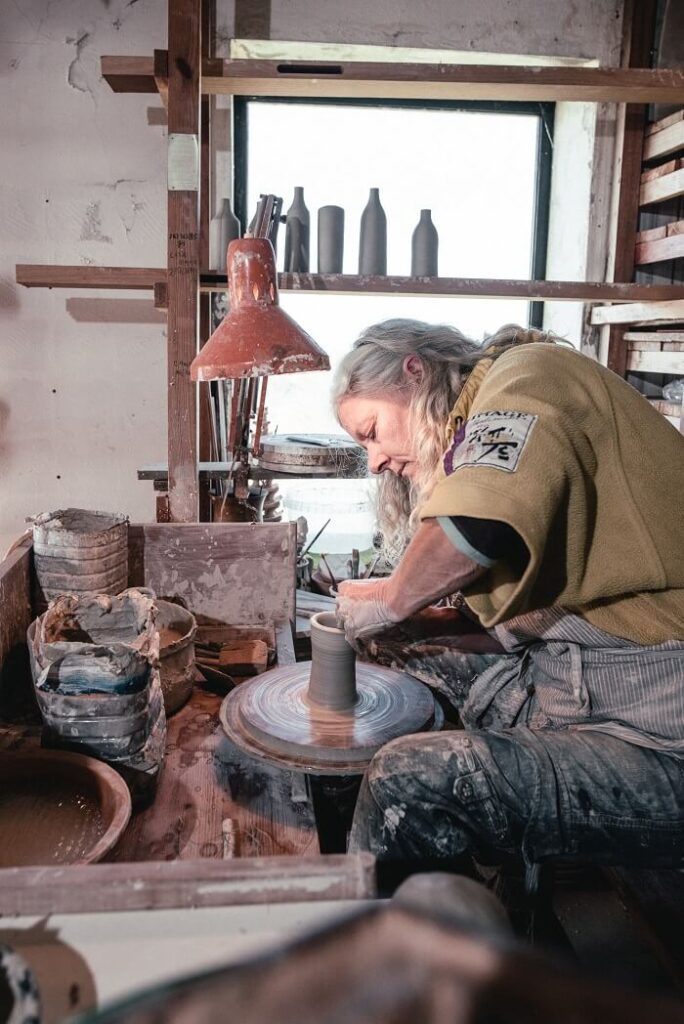
    The family works together every day in a large workshop in Espinhaço de Cão, between Lagos and Aljezur.

    “It’s where everything happens,” Daniel said, whilst Sabine recalled how empty the place was when they bought it and the children were still little. “We were always here, we used to play here,” added Marlise.

    Nowadays they value teamwork very highly and can’t imagine living any other way. The family often works side by side so the exchange of ideas is constant as is the sharing of colours.

    “We always ask each other’s opinion when we’re producing, which means that each piece has everyone’s touch and is like a fusion,” revealed Daniel, clarifying that this is why they all sign their works with ‘Olaria Nova’ rather than their own names.

    Although they create the pieces individually and have their own personal projects, no one works independently, not least because a batch is made up of around 100 to 200 pieces.

    “When people buy something, they’re buying a little bit of all of us,” the craftsman emphasised, mentioning that their aim is for people to feel happy when they buy their items and proud when they use them.

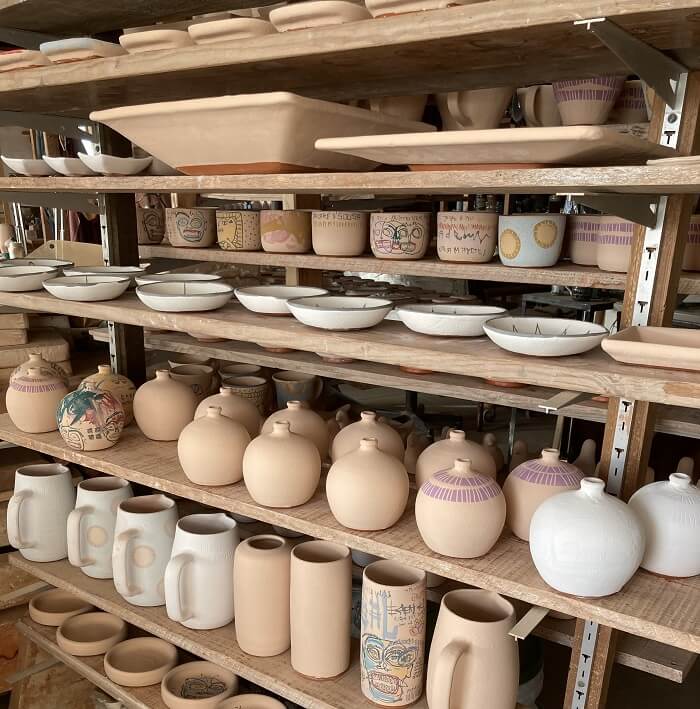
    These can also serve as a souvenir of a Portugal trip, reviving memories of moments spent here, or as a topic of conversation, agreed the family, who make pieces of all sizes and functions at different temperatures.

    “Over the years we have perfected our techniques and refined our style to make pieces that will last a lifetime and can even be passed down from generation to generation,” commented Sabine.

    The products are all handmade, with the help of a wheel or mould, and they make both functional and decorative pieces on a small scale. “The idea is not to have a mass production, so that each one is unique, it’s rare to have items that are the same,” Daniel explained, adding that they are, however, receptive to their customers’ wishes, and if someone asks them to replicate an item, they are willing to do so.

    They ship abroad and their pieces have made their way into the world, from the United States, New Zealand, Russia, South Korea, Japan and the United Arab Emirates to Australia, which gives them a “full field feeling”.

    It is through customer feedback that they learn which items are the most popular and which colours or patterns the majority prefer, an advantage of direct sales that never fails. “From there, we can produce more in the same style,” Daniel highlighted, adding that “the shop is always changing” – visiting it after three months makes all the difference to the items you will find.

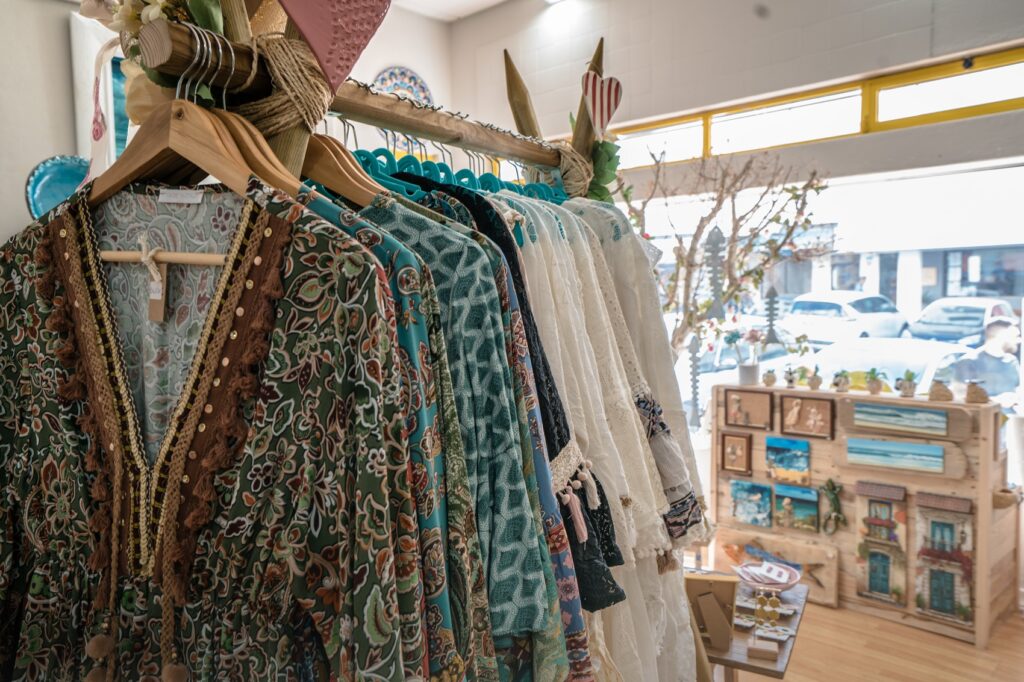
    Aside from standing out for the particular way they work and run their business, they have unique clothing collections, produced annually in Indonesia. They are the ones choosing the patterns, the garments, and the quantity of each piece.

    As you walk around the shop, you come across items from different countries, which José and Sabine bring back from their travels and fit in with the shop’s concept. “Sometimes we travel on purpose to places that might have things we want to bring into the shop, like Morocco or Indonesia, and that gives us the chance to expand our contacts,” said Sabine.

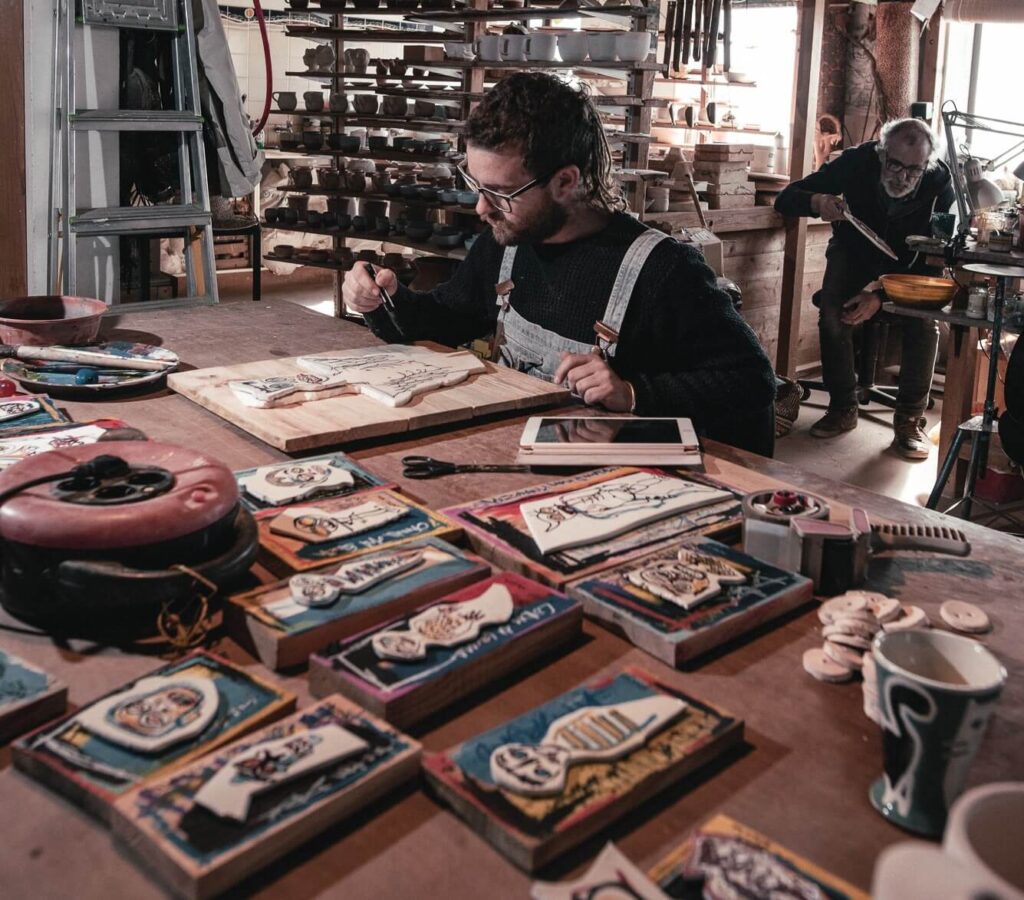
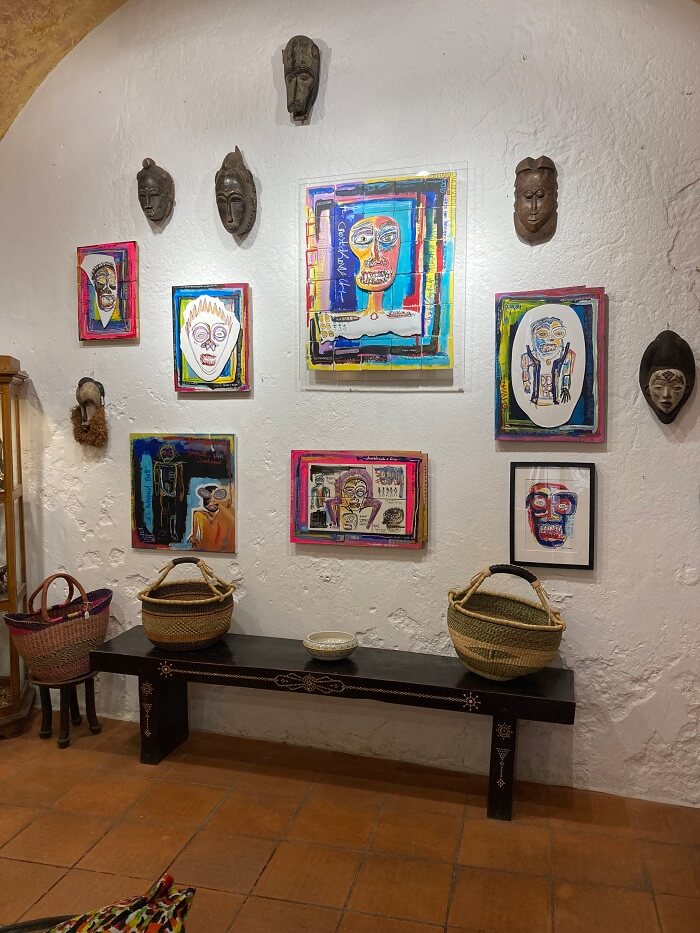
    Even though cultural diversity thrives at the shop, which can also be seen in the various collections of ceramics, with influences from Mexico to Northern Europe and Japan, national products, such as leather handbags, are prioritised. Other unique elements are Daniel’s panels, which immediately capture anyone’s attention, whether because of the designs or the colours, and José’s sculptures, an area he has been venturing into and which could not be going better.

    Olaria Nova (which means “new pottery” in Portuguese) was the name chosen by Sabine and José over 30 years ago and continues to live up to what the entire family identifies with, at the time because there weren’t many potteries and now because there are always new products.

    “It has survived the years and the changes because it makes a difference,” the family concluded, predicting a bright future where they will explore new ideas, have more experiences, and grow as artists. “We’re constantly trying to evolve and we’re open to new techniques. There will certainly always be new items,” they assured.

    Follow Olaria Nova on Instagram and Facebook.

  • Mercusion is innovating the fashion industry by using organic and recycled materials

    Mercusion is innovating the fashion industry by using organic and recycled materials

    A fusion of worlds

    – December 1, 2023 | Text Beatriz Maio | Photos Renee Joppe
    Mercusion ©Renee Joppe

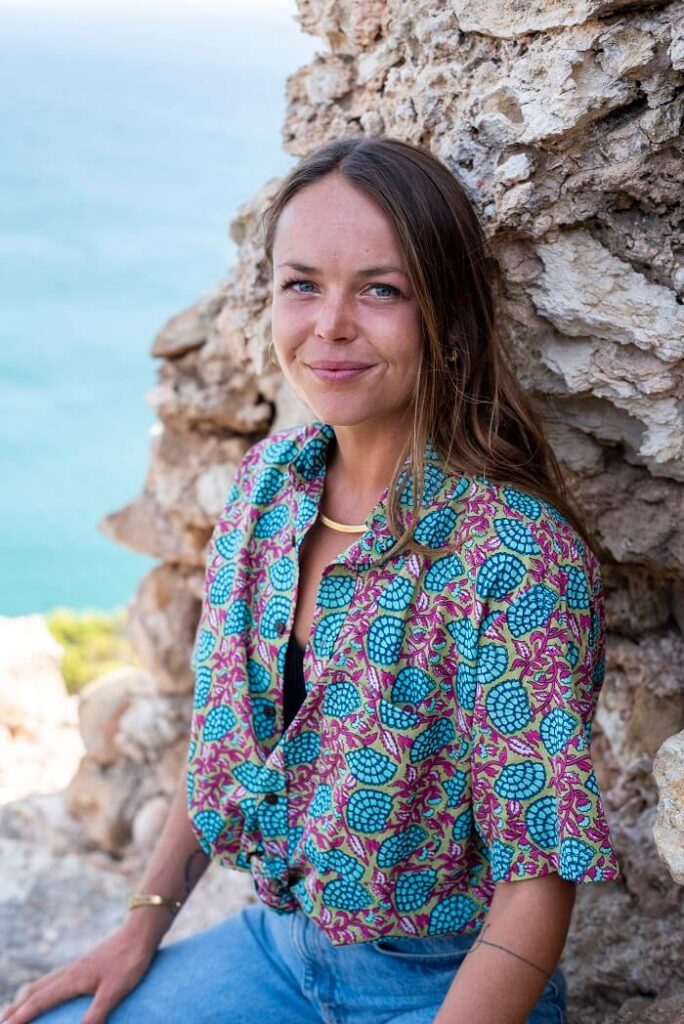
    Sarah Duemmel was born in East Germany, but it is in Praia da Luz that she spends her days and develops her work. She had already visited Portugal several times and lived in Lisbon before, but, in 2020, she decided to explore the South, and this is here where she intends to stay.

    She did not have an easy childhood, growing up during the Cold War and in an environment where there was no freedom and life had many restrictions. She remembers watching her family struggling to live with dignity, which led her to value her autonomy and independence.

    Mercusion ©Renee Joppe

    Sarah used to paint as a child – an influence that came from her father, a Rhetoric teacher who liked painting in his spare time – and when she grew up, her taste for creating evolved too; she was her own fashion designer for her prom.

    As an adult, she decided to be a nurse like her mother and worked for a few years in Germany, but her passion for the arts and her desire to explore her creative side made her want to follow a different career path.

    Later, she became interested in multiculturalism and studied Communications, Culture, and History, but she did not stop there – she also took a Yoga teaching course.

    Mercusion ©Renee Joppe

    Her love for travelling led her to take the risk of discovering new cultures, people, and lifestyles. She visited several countries in Europe and Asia, worked as a nurse in Senegal, Africa, and even lived in Israel for five years. “These experiences teach us a lot and show us what we really need in life, they change our outlook,” Sarah reflected, revealing that when she arrived in Portugal, she gave away a lot of her belongings because she realised she “didn’t really need it”.

    When she visited India, where she made several connections, she started to wonder how she could create better conditions for the locals and generate profit. Therefore, in 2018, Sarah decided to create Mercusion, an idea that had come up previously but needed investment to get off the ground.

    Mercusion ©Renee Joppe

    “I started with jewellery because it’s easier to store, transport, and create at a more affordable price than clothes,” she said, emphasising that her friends in India have always been helpful. “They gave me the possibility to start Mercusion because my initial investment was not enough, so they believed in my ideas, trusted my talent, and worked in the beginning knowing that they would only get paid in a few months’ time.”

    Although she felt a lot of pressure at first, her gratitude was even greater. However, it was not just Sarah who was grateful, but also the people who, with her help, saw their living conditions improve and who still work with her today. These people were the first to support her business and so, a remarkable bond was formed.

    Mercusion ©Renee Joppe

    It only took a year for Sarah to sell most of the pieces from her first production, made of brass, around street markets in Germany. The success of the sales led her to set a new goal: “From then on, every year I put a certain amount on the side for something new. The following year, I focused on clothes and came out with the first shirts and skirts,” she recalled.

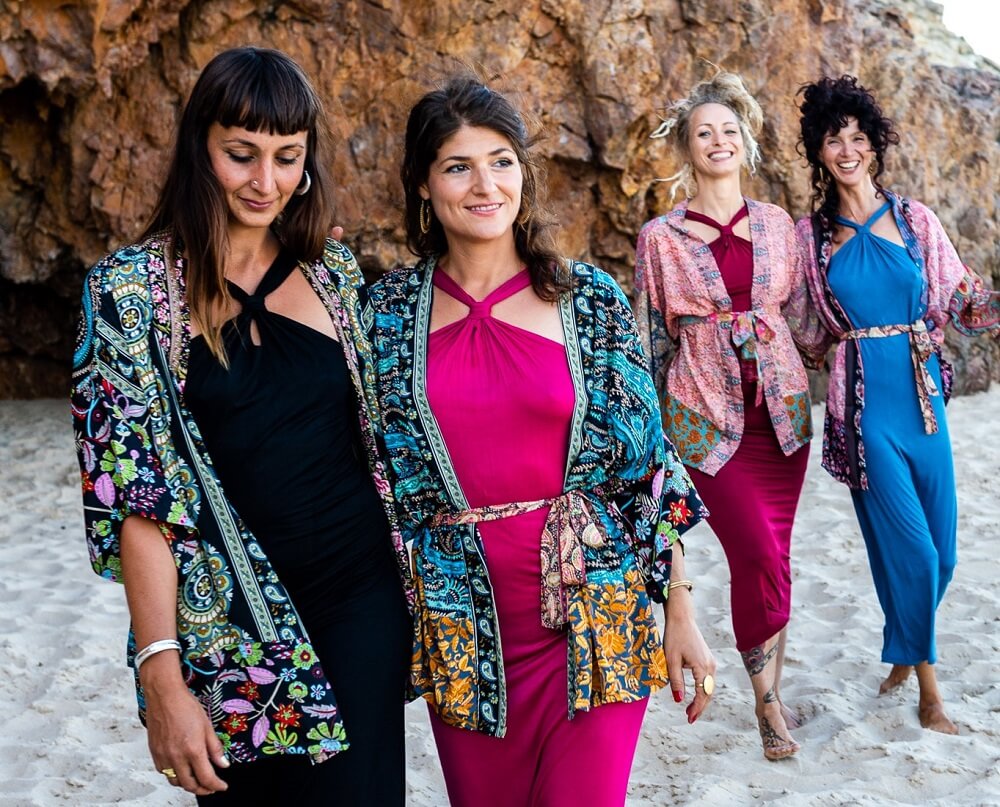
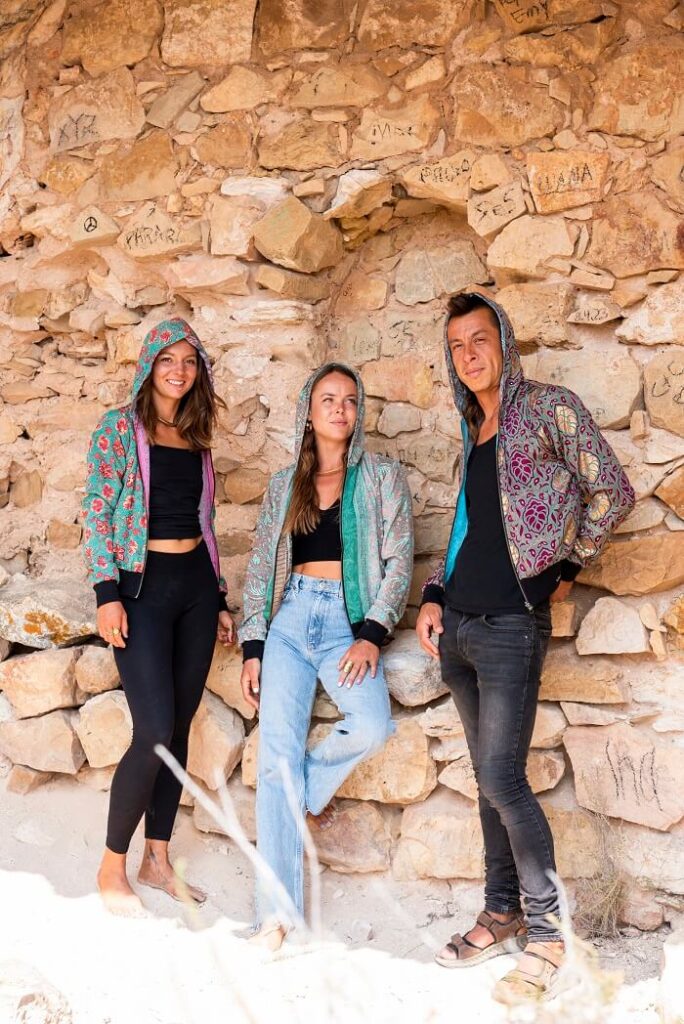
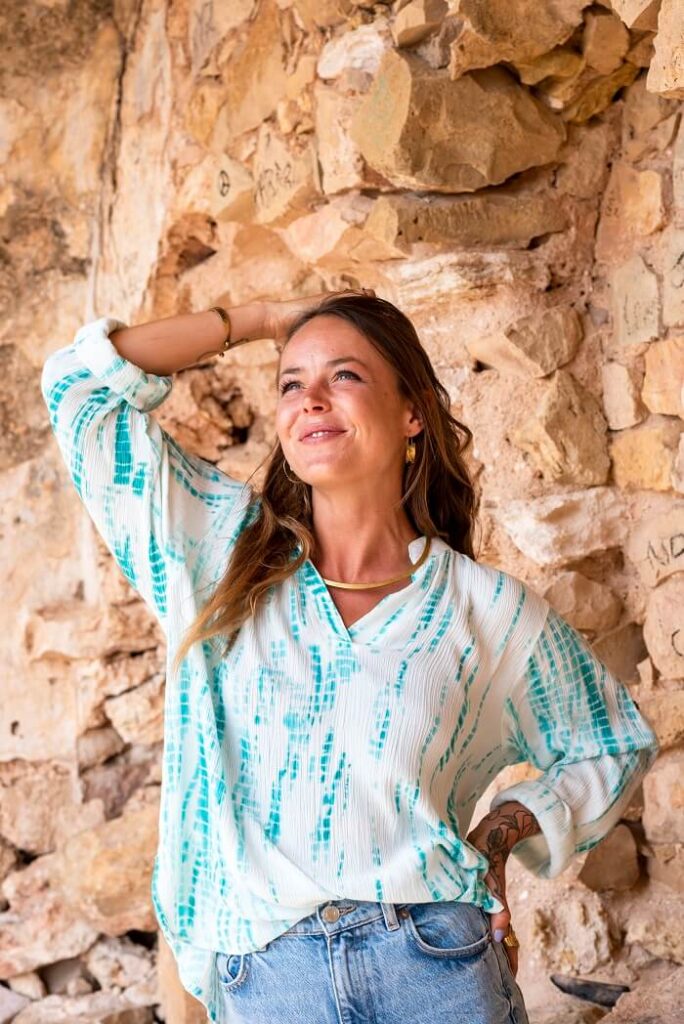
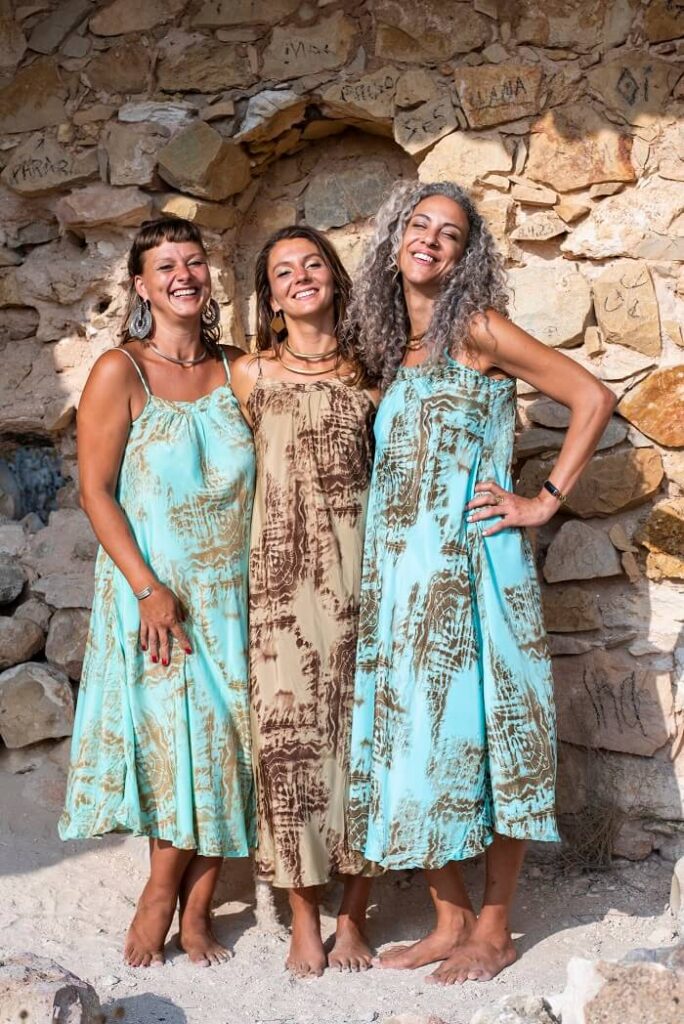
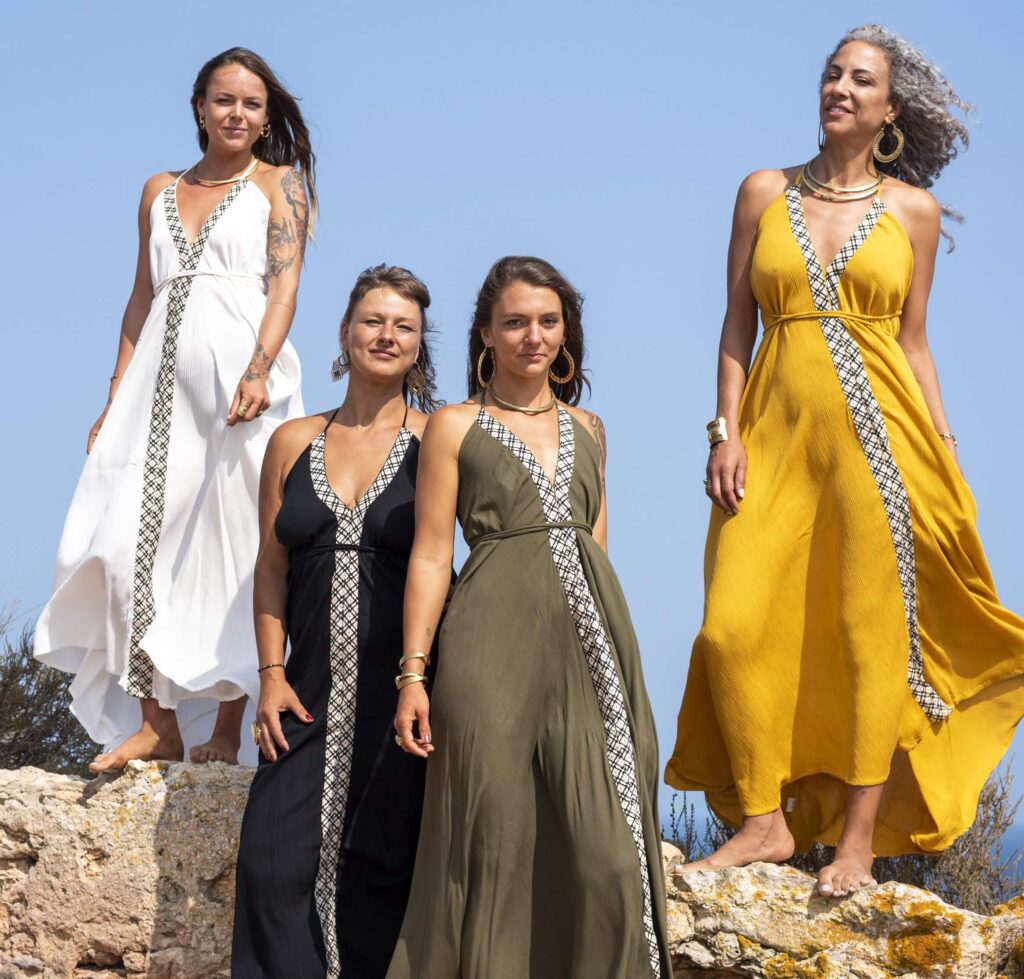
    Mercusion grew and Sarah’s ideas went from paper to reality, eventually reaching several countries through her clients. Reducing environmental impact by minimising waste and pollution is at the top of the designer’s priorities, one of the reasons why she uses “organic, eco-conscious and recycled innovative materials” only from India and Thailand.

    Mercusion ©Renee Joppe

    Much more than clothes and jewellery, Mercusion brings a different concept to the fashion industry, where the background is taken into consideration, from the materials and the amount of water wasted to the working conditions and a positive environment provided to her workers. “It’s not just about wanting to make money, but about following a work ethic and having respect for everyone and the planet.”

    The name Mercusion, born from the combination of Mercury and Fusion, is inspired by the Roman god Mercury, who is not only the god of travellers but also symbolises the connection between three different worlds: the gods, humans, and death.

    “At Mercusion, I try to combine different worlds and fuse them together to show people that is possible to work with each other, to be peaceful, and that we can all gain from it,” Sarah explained.

    Her inspirations come from “everywhere”, and this is reflected on her logo. It was in a metro station in India that the first draft came to her mind, precisely when she looked at a shape on the ground that caught her eye. She knew she wanted a futuristic black-and-white style, but she did not know the shape until she gradually began to identify different elements she wanted to include.

    Mercusion ©Renee Joppe

    The logo is also related to the god Mercury’s staff that has two wings and a pair of snakes entwined seven times, which represents rising energy and the seven chakras, according to Sarah. In the Mercusion symbol, all the lines connected “are the futuristic snakes”, in the designer’s vision, and at the top, there is the moon and the sun “symbolising the feminine and masculine energy together”.

    Even though, at the moment, Mercusion production is just in India and Thailand, Sarah’s main goal is to find a country to develop a new collection with its ethnic styles every year. Another of Sarah’s dreams, aside from being able to have a part of herself in various countries, is to make a difference in India by setting up a centre where children who are orphans or from needy families can study and grow up safely.

    Mercusion can be found at Carioca shop (Praia de Luz), Safari Restaurante (Portimão), Eco Store (Salema), The Hive store (Aljezur).

    Follow Mercusion on Instagram.

  • StudioArte is focused on sustainable architecture and interior design

    StudioArte is focused on sustainable architecture and interior design

    Inspiring spaces

    – November 29, 2023 | Text Beatriz Maio

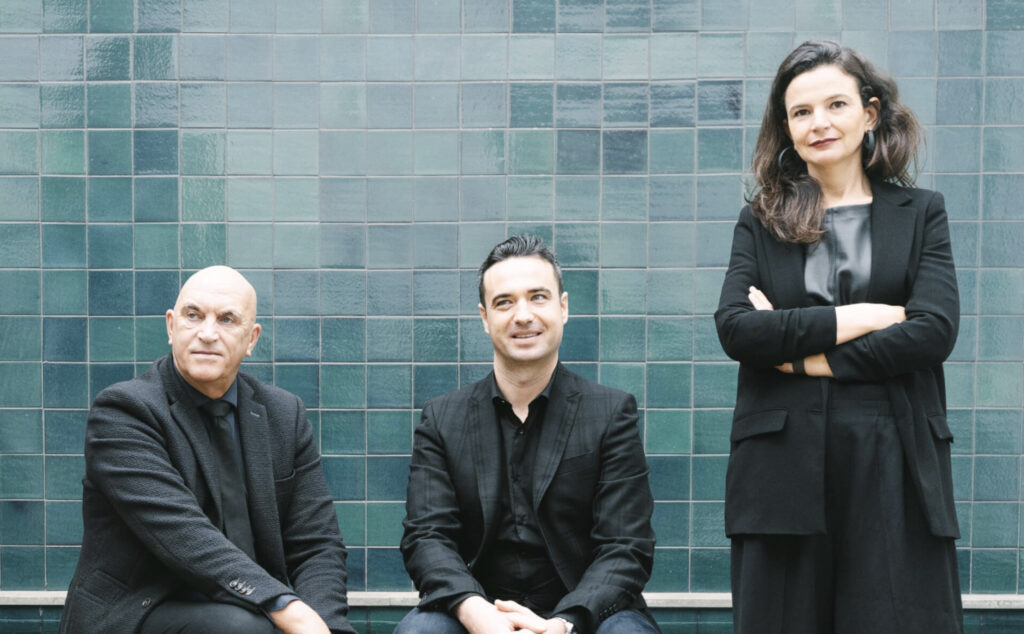
    In Portimão there is an architecture studio headed by three partners with different backgrounds and visions who, together, develop unique projects with a “Moroccan touch and Portuguese techniques”.

    Dutch entrepreneur Arnold Aarssen and Portuguese architects Joana Dalmau Pinto and João Carriço are behind StudioArte Architecture & Design, which was founded in 2002 with the aim of serving the life purpose of its clients.

    Arnold Aarssen, João Carriço and Joana Dalmau Pinto
    Arnold Aarssen, João Carriço and Joana Dalmau Pinto

    They have been working together for almost 14 years on different projects that include new residential modern and bioclimatic homes, rehabbing projects (which they call ‘rehab labs’), and commercial buildings, always with the aim of defining new ways of living set to high standards and contemporary designs, “more economical and conscious, whilst respecting the environment and the natural resources”, said the StudioArte CEO.

    Casa Simão

    Arnold Aarssen is a big traveller and has moved more than 30 times. In 1994, he bought a plot of land with three houses on it in Silves, one of which was his own and, 10 years later, he extended it to be the StudioArte office. His professional career began in the hotel industry, which gave him the opportunity to work in project development and architecture in this area.

    Casa da Fé

    He is currently part of two other Portuguese companies active in real estate and property design, named Espírito Verde (partner of BioclimaticHouses, focusing on sustainable and eco-friendly projects), and Generoso e Poético. Simultaneously, he is working on new high-quality kitchen lines, and on a furniture line, as well as in various development projects in the Algarve. He considers himself a creative and self-taught person, who has learned to design houses, home features, kitchens, and outdoor areas. Since he has travelled so much and lived in several countries, he believes that working in Portuguese architecture requires local professionals with an understanding of legal matters, City Council procedures and who can speak the language.

    Casa Simão

    That is why he hired João, from Peniche, and Joana, who is originally from Silves but was working in Lisbon at the time. Both had different ambitions: João wanted to be a DJ and Joana a painter, but their talent for putting creative ideas to paper and turning dream houses into reality led them to architecture, where they mix lines, shapes, volumes, and play with lights and colours.

    bioclimatichouses

    It all started in a studio located in Silves, but Portimão’s proximity to the sea and the river led the team to choose a workplace with more “city life”, said Arnold Aarssen, who acts as the creative director and consultant of StudioArte, confessing that he had no doubts when making this decision. “We should be in a city that has what we need most,” he explained, adding that the many “houses falling into pieces” he saw made him realise that “there was work to do”.

    Casa Simão

    Currently, Arnold leads a multinational team of 16 architects and interior designers, half of which are Portuguese. From Italians, Argentinians, Brazilians, and Dutch, to Tunisians, they all live in Portimão, in accommodation provided by the company. Their daily tasks are based on property development and project management, both nationally and internationally, with projects in the Netherlands, Spain, and Italy, many in private villas, and luxury renovations. Arnold Aarssen believes StudioArte stands out for its “uniqueness” and sets itself apart with its “specific Portuguese and sustainable signature”, with an easily identifiable concept, and adds that this characteristic brings them “a very wide variety of clients”.

    Casa Joana

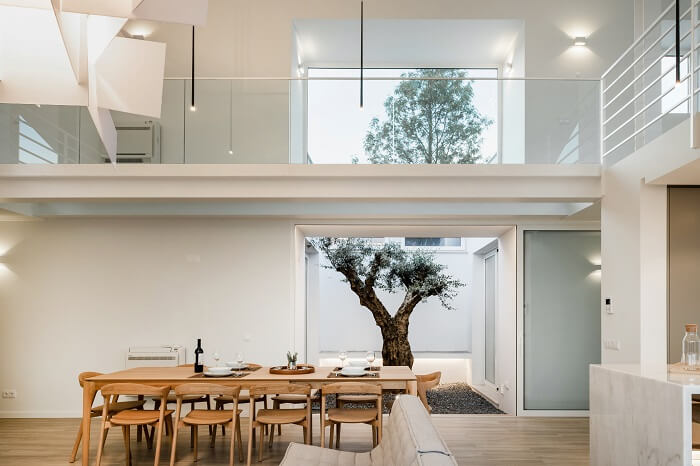
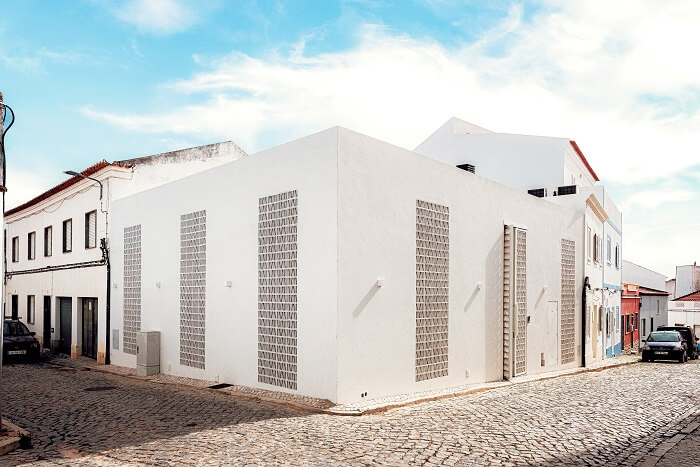
    The lines of the houses and the use of light are the architects’ primary concerns, such as the hidden windows or a certain angle in the façade. “We work a lot with a blind wall from the northern part to protect people from the cold and we play with the light in a way that lets it come in but leaving the sun out,” illustrated the creative director.

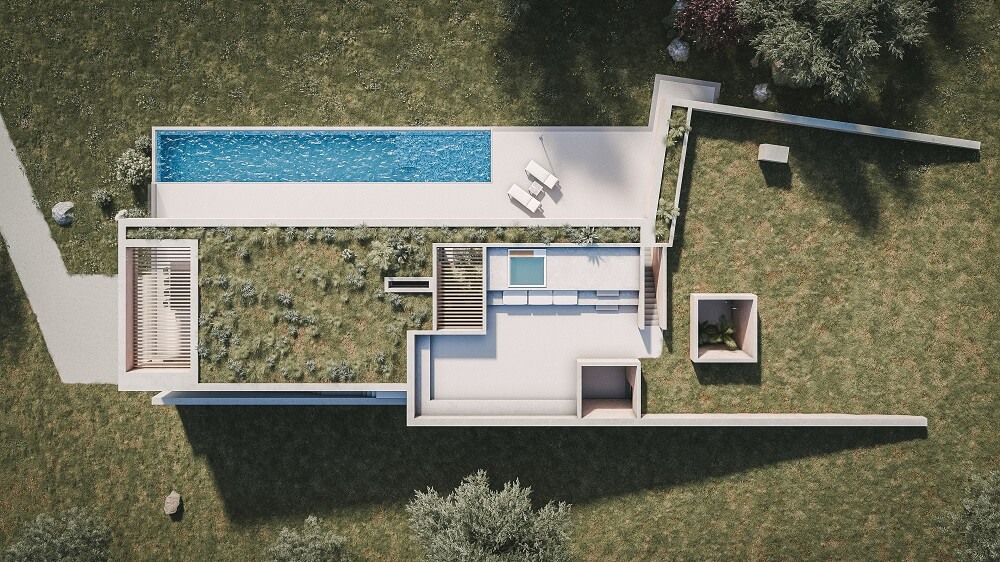
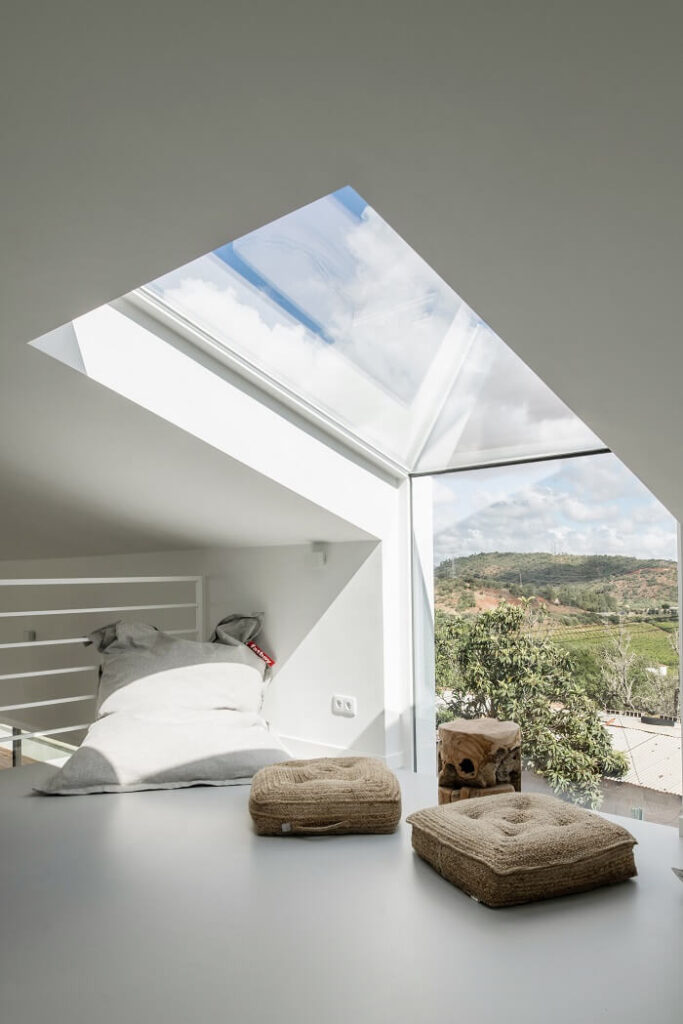
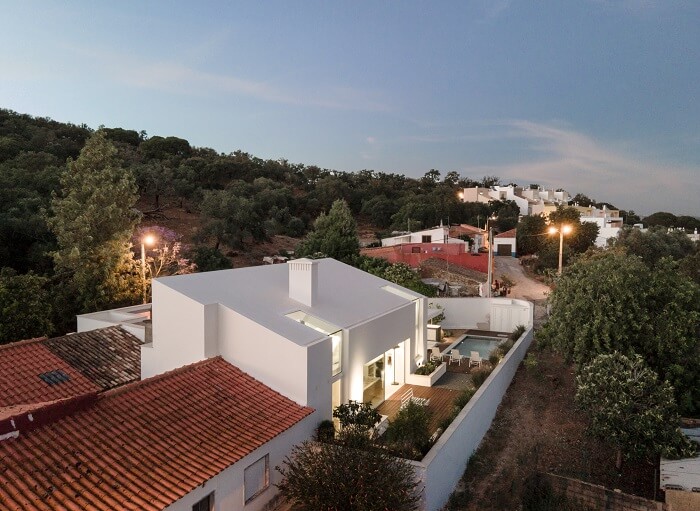
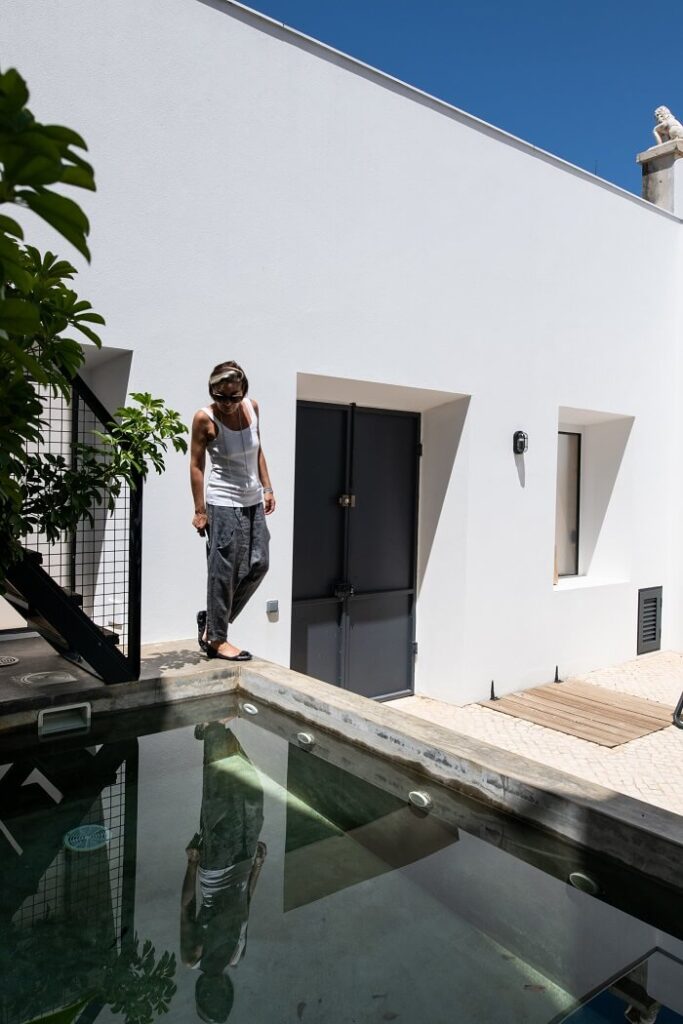
    Even though they have a lot in common, each work has its own particularities, which can be seen in the company’s reference projects, such as Casa Simão, Casa Joana and Vale da Lama. The first one distinguishes itself by its solid geometric shapes developed over several levels and suspended glass walkways, with a dry-garden landscape concept. Meanwhile, Casa Joana has an expansive and open feeling, based on a minimalist approach and a stylish little courtyard and a splash pool. In a different approach there is Vale da Lama, a building where a sustainable structure integrates the terrain and the ground, instead of discarding it, creating a green roof that helps regulate the temperature, and reduce the amount of storm-water runoff.

    Casa Joana

    Comfort and privacy are always taken into consideration, as are the customers’ wishes. “It’s important to listen carefully to the client’s dream and understand if it’s possible to do the job”, Arnold clarified, highlighting that they do not accept “impossible missions”. Their procedure is simple: it always starts with a “pre-check”, followed by a proposal in which the team presents the idea, the whole process, and a price scheme.

    Nearly all of the projects approved by StudioArte use a mix of materials in order to be as eco-friendly as possible. “We prioritise wooden structures and roofs, cork and natural insulation, and ventilated foundation,” Arnold commented, emphasising that these are national products installed by local professionals. The concern for the environment is reflected in the aim of reducing certain features in the Algarve, such as gardens with grass or huge swimming pools, to save water, or air conditioning, giving more cost-effective solutions to maintain a pleasant temperature at home.

    The desire to explore “urban development” in a city that “attracts different types of tourists” has helped the company grow since its creation. StudioArte is preparing to move to a large property in Rua Infante Dom Henrique, where there will be a big office working with many partners. But that is not all; on top will be built “one of the most beautiful penthouses in Portimão”, according to Arnold Aarssen.

    StudioArte’s goal is to become a “well-known company” throughout Europe and change mentalities by promoting respect for nature. “We want to move fast and promote the healthiest way of living,” highlighted Arnold, stressing that “every small step is significant for the near future”.

    Follow StudioArte on Instagram and Facebook.

  • The art of making sweet and spicy jams: Cátia Santos has created “Munchi”, an artisanal brand of “unequalled flavours”

    The art of making sweet and spicy jams: Cátia Santos has created “Munchi”, an artisanal brand of “unequalled flavours”

    Munchi enriches every meal with its jams, chutneys, and piri-piri sauces and sweetens the heart with its cakes

    – November 29, 2023 | Text Beatriz Maio

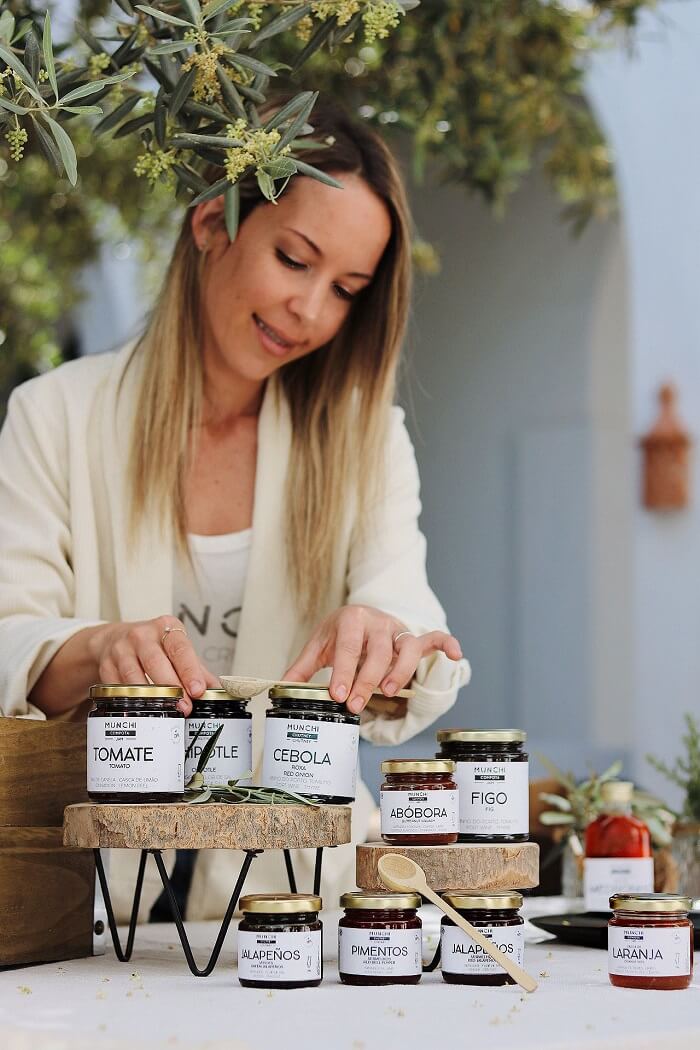
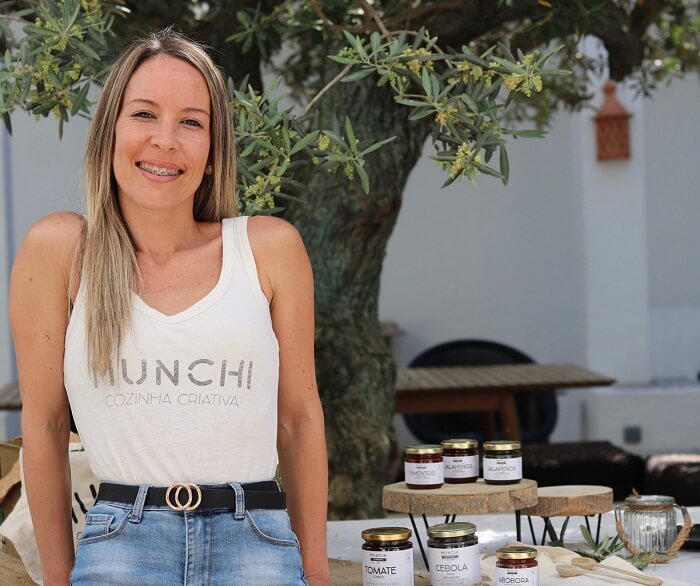
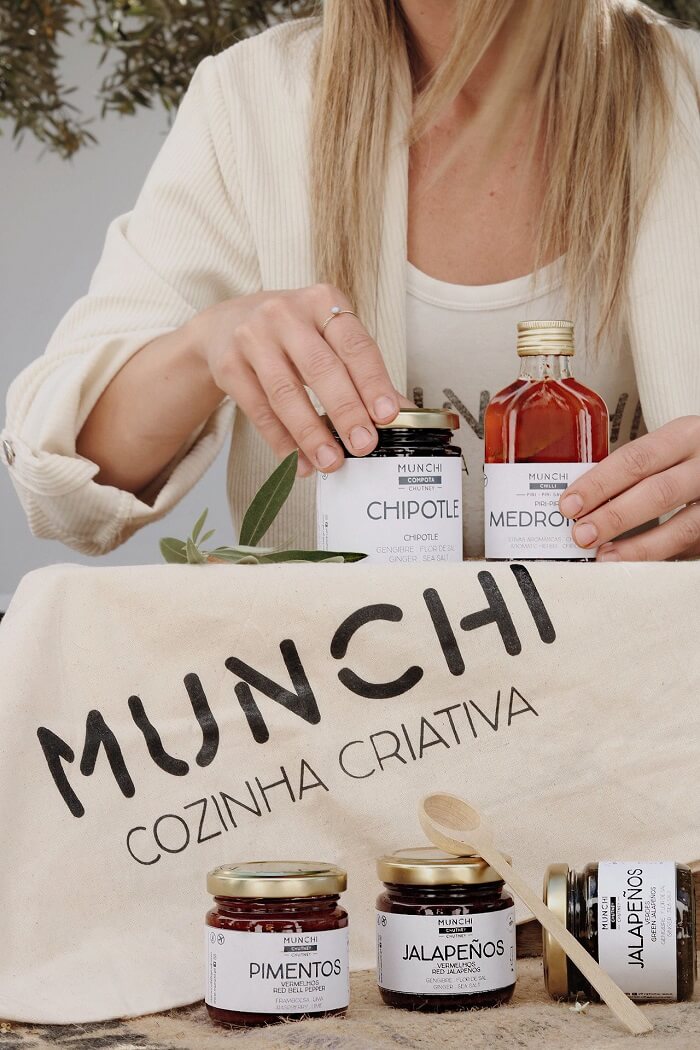
    Lagos native Cátia Santos is the face behind Munchi Cozinha Criativa (Creative Kitchen), a dream that took shape in 2019 and has not stopped growing since. It all started with the desire to make use of leftover food which, together with her creativity, led to unequalled flavours.

    She worked for eight years as a cook and manager at the Charming Residence & Guest House Dom Manuel I in Lagos, which gave her the opportunity to learn all the procedures, care, and good practices within a professional kitchen. It was also where she did her first experiments and received positive feedback from customers, which gave her the motivation to continue and make more and better jams.

    Initially, there were just three varieties, in little jars with a handwritten label. Now there are 10, produced professionally, plus a panoply of cakes with unique flavours. “I love cooking and that people enjoy my food. That makes me happy,” she revealed, emphasising that “the flexibility of the hotel and the chance to explore the kitchen was essential” in creating her artisanal brand.

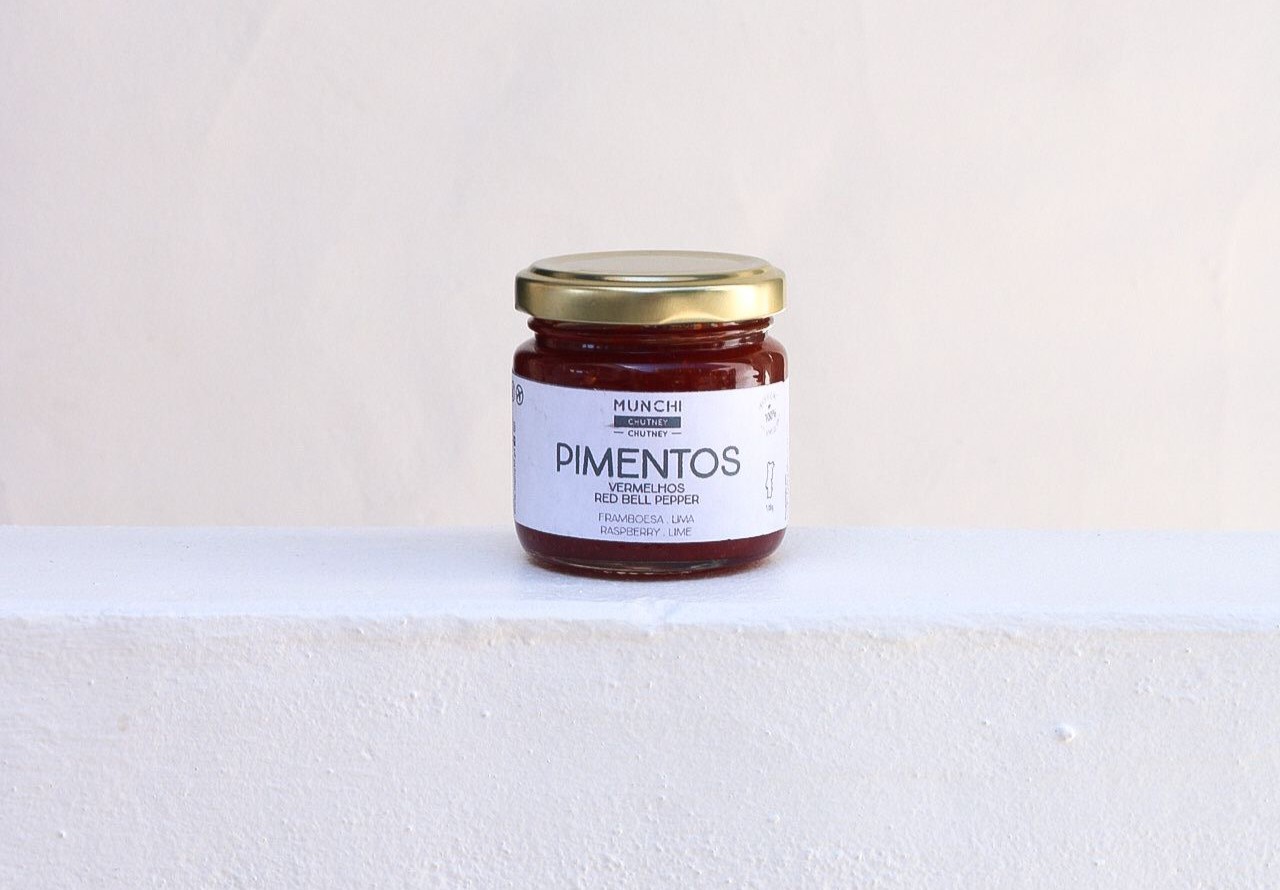
    The intention of avoiding waste combined with Cátia’s natural talent for mixing ingredients meant that after tasting the jams, many people began to ask if they could be sold. “I didn’t follow a recipe, I just made it naturally,” she said, recalling how the raspberry, red pepper, and lime chutney became a favourite with customers.

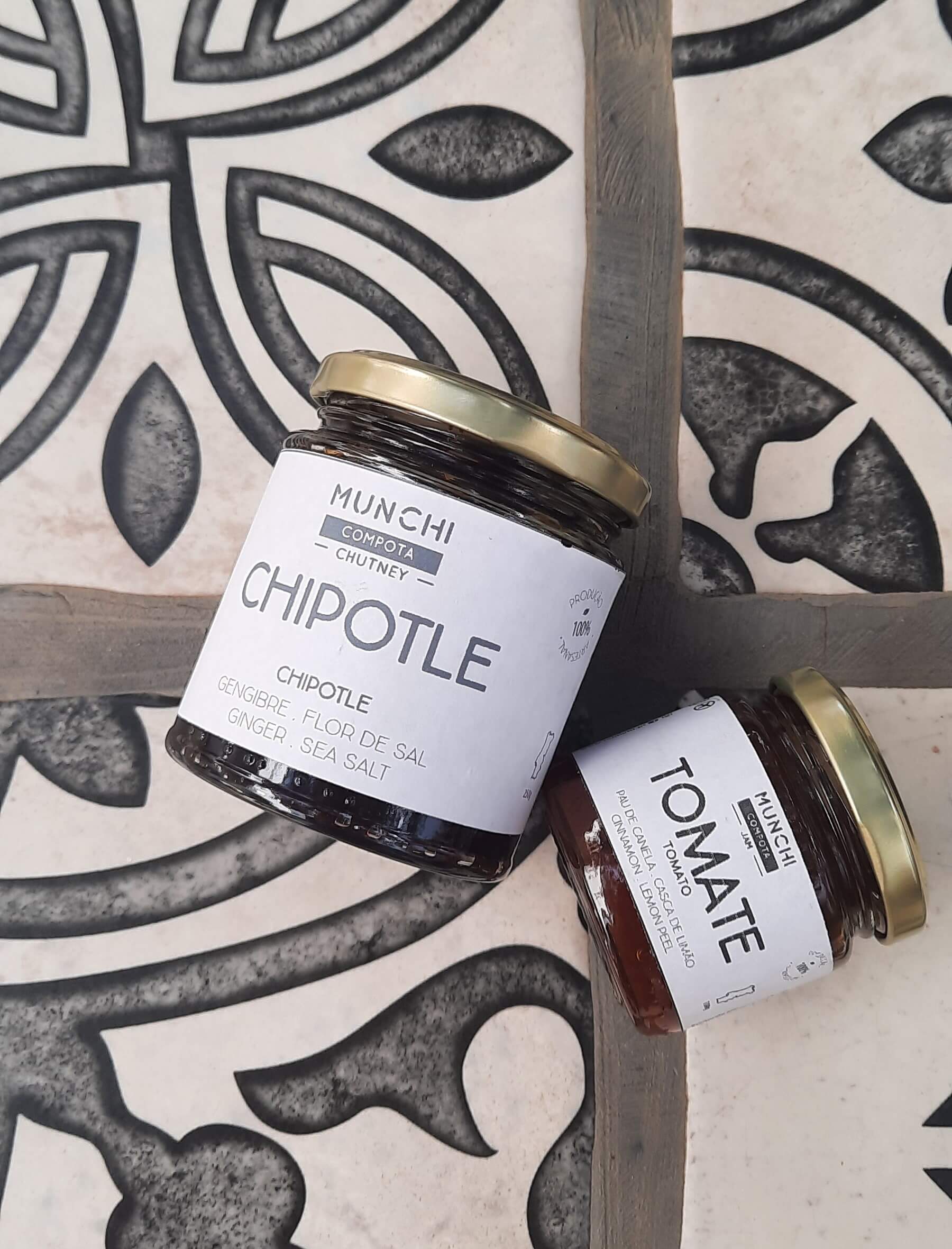
    From simple to more complex combinations, the artisan was fulfilling their requests and the joy of receiving orders was such that she had no doubts: she wanted to dedicate herself to Munchi and developing her jams, without being afraid to take risks. Although at first, it was “just a joke, with no intentions whatsoever”, she eventually realised that she could turn it into a business and decided to introduce Mexican jalapeños and chillies, the only ingredients that are imported, and produce spicy and smoked jams.

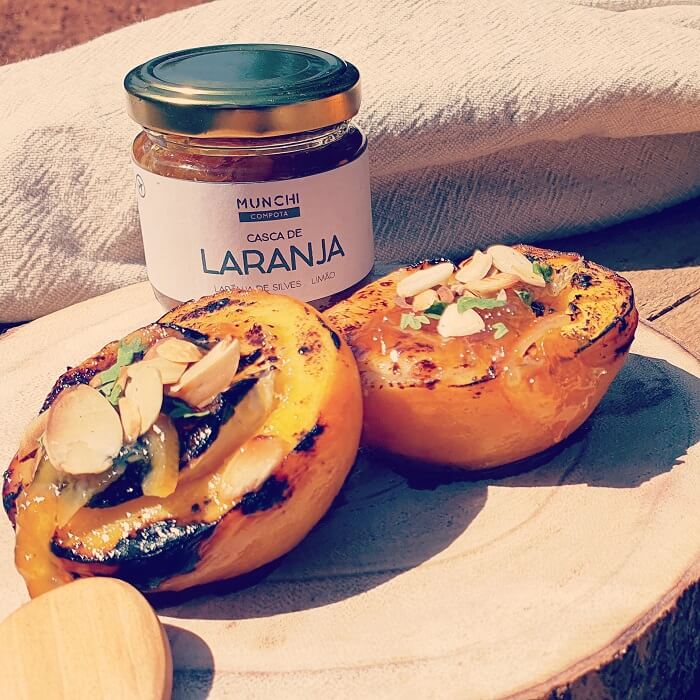
    “I want people to have a different gastronomic experience and become more adventurous and creative in the kitchen themselves,” she admitted, adding that her aim is for consumers to use jams and chutneys not just for breakfast or snacks but at every meal, thus taking advantage of the versatility of these products that can be used in grilled or baked dishes.

    As skilfulness is part of Cátia, who draws inspiration from her favourite chef Gordon Ramsay, Japanese artisan jam producer Ayako Gordon, and Portimão pastry chef Larissa Neto, who runs the US-based boutique bakery Bakey Bakes, she also decided to sell her sweets, which could not be more successful.

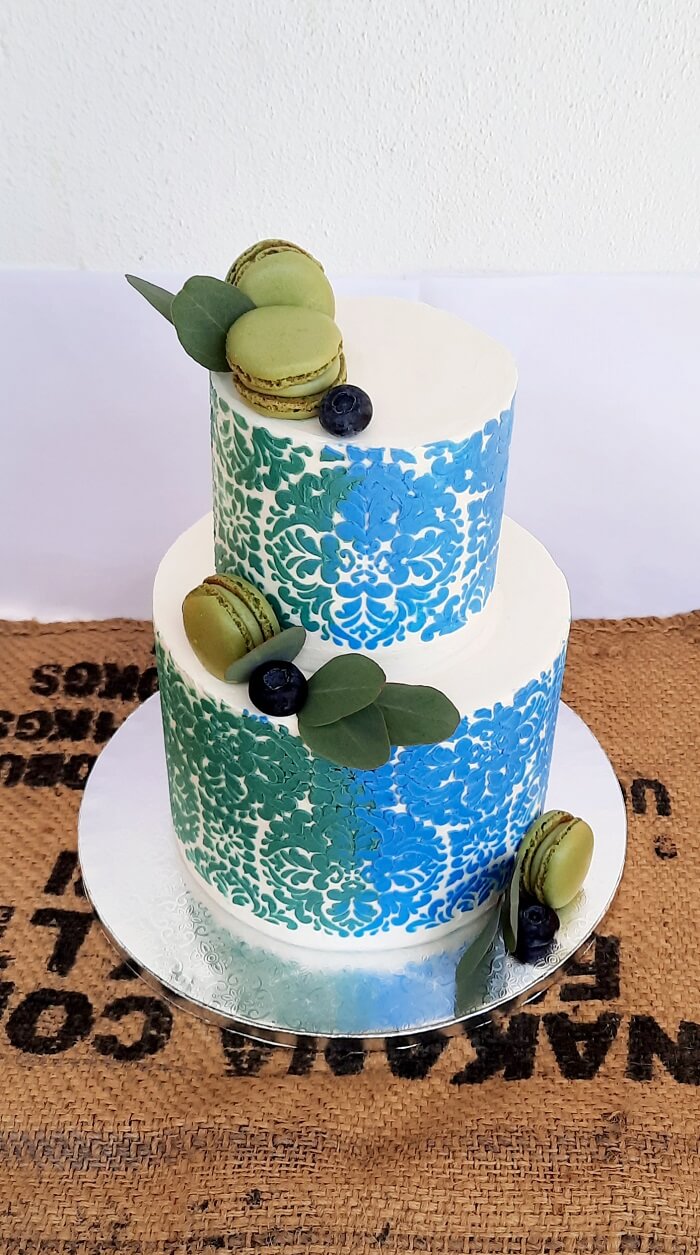
    From the blueberry cake, with poppy seeds, lemon curd, and Swiss buttercream, to the chocolate cake with mousse, caramel, salted peanuts, and crispy rice, or the special red velvet with Philadelphia cream cheese, mascarpone, and red fruit jelly, it will be difficult to choose which one to try as they all are mouthwatering – “not too sweet, fresh and light”.

    The amount of work began to be so much that, in 2022, the artisan chose to work full-time on the production and sale of her products, which resulted in Munchi’s presence in several food markets as well as partnerships in Lagos, Alvor, Salema, and Espiche. This way, her concept reaches various areas that end up expanding Cátia’s network of clients all over the world, which would not be possible without the help and support of her husband, Luís Madeira, and their friends, Rita and Pedro, her “pillars” from the creation of the brand until today.

    Pedro, who is a photographer, created the labels and took care of the image and photography, and Rita, who works in Human Resources at a hotel, advised her on the financial side of things. The name Munchi was also chosen by the four of them because they believe it represents the snacks we eat, when we are not exactly hungry but have an appetite, and can be shared in a social moment.

    “It takes a lot of courage and consistency to have your own business. It has been a great adventure,” she said. It is in a house belonging to her grandmother, near Bensafrim, that the artisan produces her jams, chutneys, and piri-piri condiments, in a huge kitchen and in an atmosphere that feels incredibly  personal and familiar. Although the space is just for production, Cátia feels at home and follows her grandmother’s recipes, made by hand without colourings or preservatives in a place where everything is well organised (and legalised).

    Working alone, she does all the planning and management, as well as cooking, selling her products, and managing Munchi’s website and social networks, skills she has acquired through her experience over the last few years and her desire to bring her flavours to more people.

    “Everything is very careful, from the laboratory studies that prove the products are fit for human consumption to our concern for the environment,” explained Cátia, highlighting that she always prioritises produce from local producers to maintain the freshness and quality of her jams.

    Not only does Munchi not use any plastic, but the brand also donates 1% of the online shop’s revenues to Stripe Climate, a coalition of companies that accelerate carbon removal. But it does not stop here, the carbon footprint is well controlled, and the distribution of the products is only done in electric or hybrid cars. This concern led to the creation of Munchi bags, made from 100% cotton with a Portuguese cork handle.

    The products are available on the website and can also be bought in Lagos at the Levante Market, every Saturday morning, or at the Viv’o Mercado Organic Market, on Wednesday afternoons.

    Follow Munchi on Instagram and Facebook.

  • Madalena Telo makes ceramics using traditional methods, creating unique utilitarian pieces that have already found their way across the globe

    Madalena Telo makes ceramics using traditional methods, creating unique utilitarian pieces that have already found their way across the globe

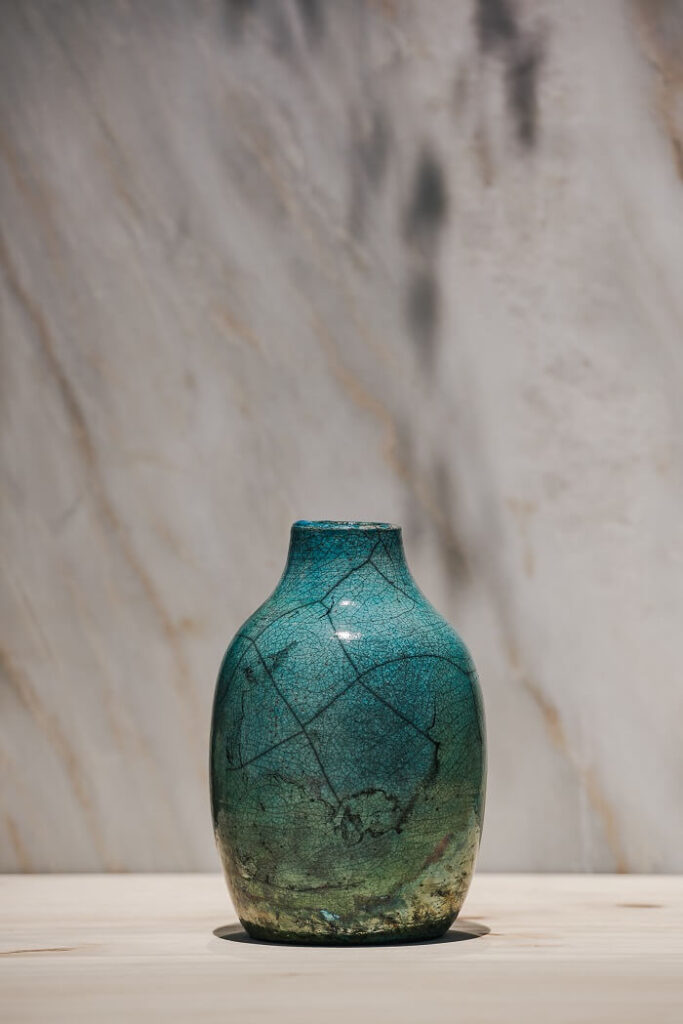
    Madalena Telo’s robust pieces are inspired by the Algarve coast and the landscapes of the hills in Monchique

    – November 28, 2023 | Text Maria Simiris

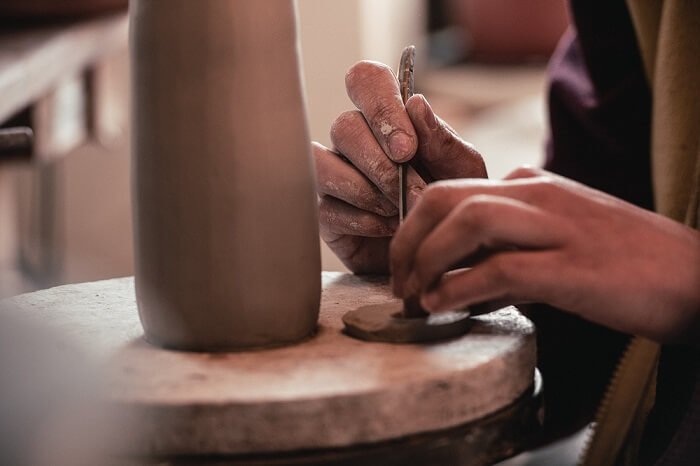
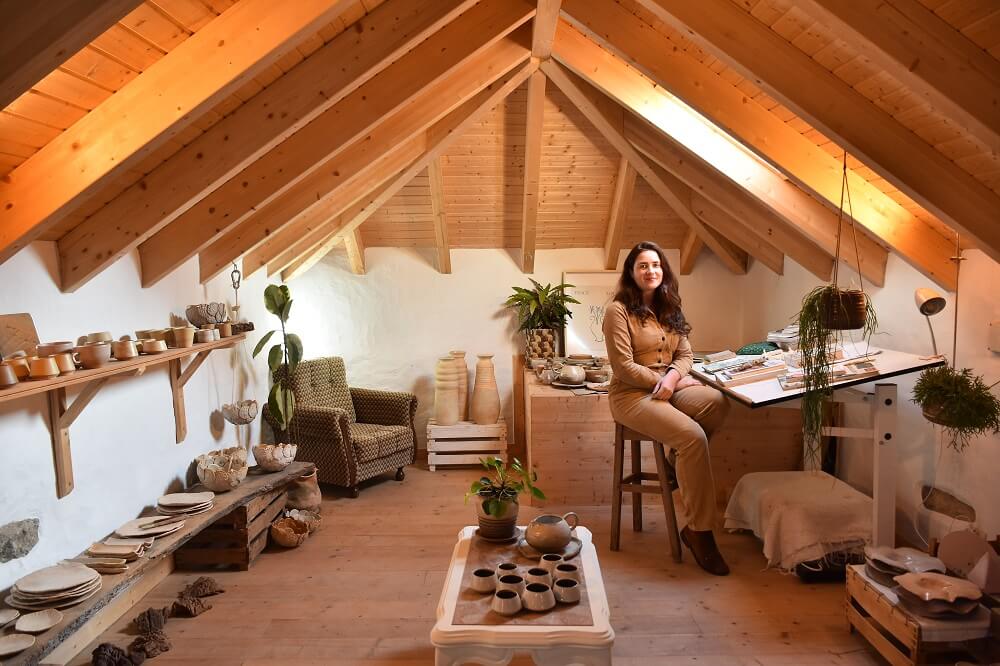
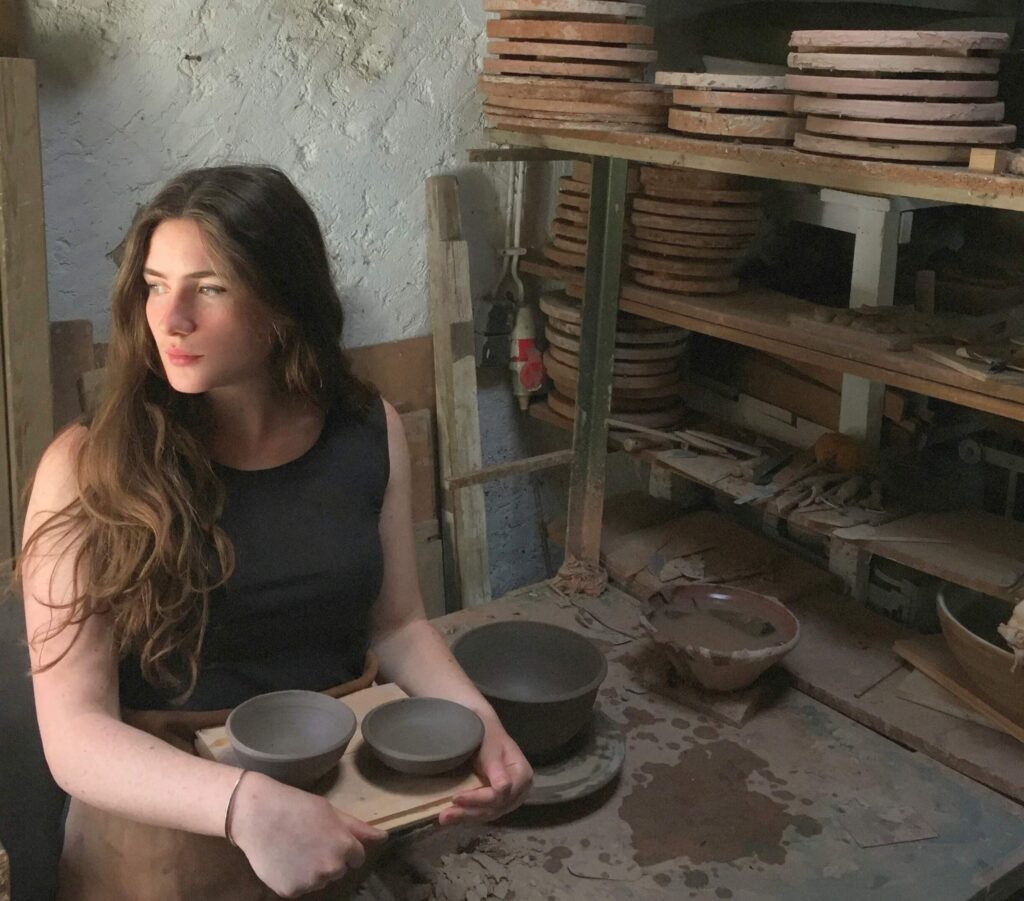
    With a degree in Fine Arts, Madalena Telo finds inspiration for her ceramic pieces in the landscapes of the hills and the textures of the rocks on the Algarve coast. Since 2016, she has been working every day on the potter’s wheel in her studio in Monchique, but she was first introduced to this ancient art form many years ago.

    My parents are potters, as was my grandfather. From the day I was born, that was the universe I had around me to express myself,” she recalls.

    After finishing her studies, she decided to follow in her family’s footsteps and, although she uses many techniques in her work, she follows only one artisanal recipe to make clay.

    Madalena Telo makes the most of the spring to collect the clay in the Alferce area and, after preparing it, she combines it with other clay from a quarry in Caldas da Rainha. Although this is a time-consuming process and there are alternatives, such as buying the clay ready to be used, the Algarve ceramist insists on this method.

    “I really like using Monchique clay because it ties in with the style of my work and being connected to nature. When I’m working, it makes all the difference to know where the raw material came from, when it was harvested and prepared. It’s almost like a ritual that I want to believe is felt in the final result,” she states.

    The craftswoman describes her work as “utilitarian, above all else,” but adds that she tries to incorporate a sculptural element into all her pieces. “I like them to be robust, even if at first glance they seem delicate. I like to make pieces that people feel are handmade through a long and conscious process. But, above all, they are practical pieces that can be used every day and not just on special occasions,” Madalena Telo explains.

    In fact, this is another characteristic of ceramics that inspires her the most: its durability. “Some pieces have been lost over time, some were even used over a hundred years ago and were very typical of that time. I like to re-create those shapes and modernise them in my own style.”

    However, as this is a material that lasts several decades, the artisan’s responsibility is even greater. “There are many archaeological finds that contain clay. Even when they break, they don’t disappear. I realise this more and more when I’m producing a piece. Before baking it, I like to stop and make sure that I’m happy with it and that it’s going to be functional because I know it will have to last for years,” she says.

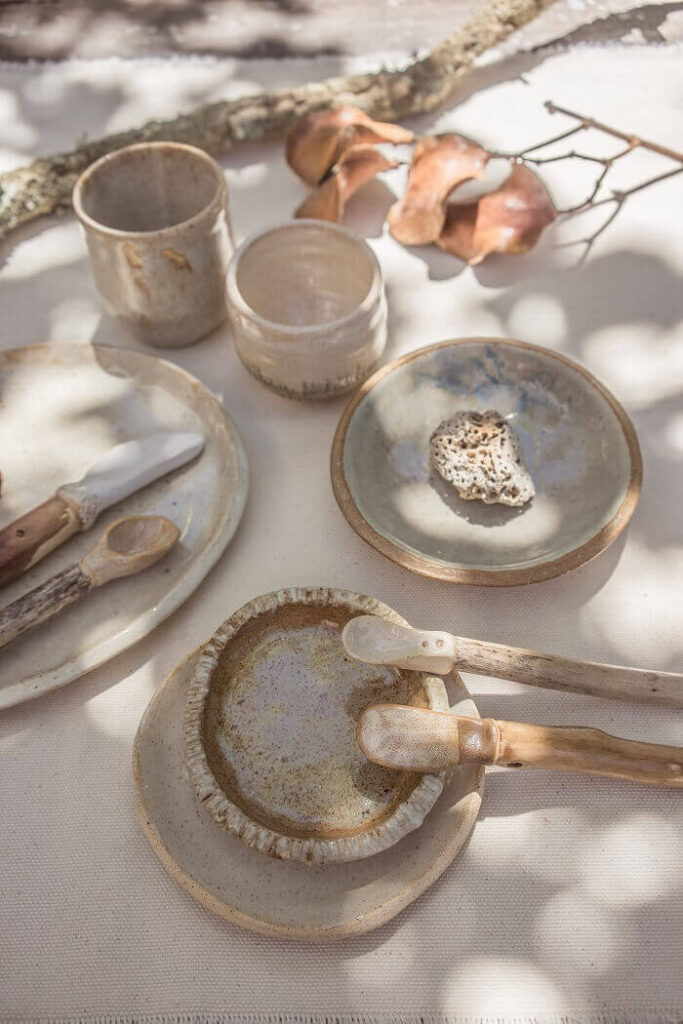
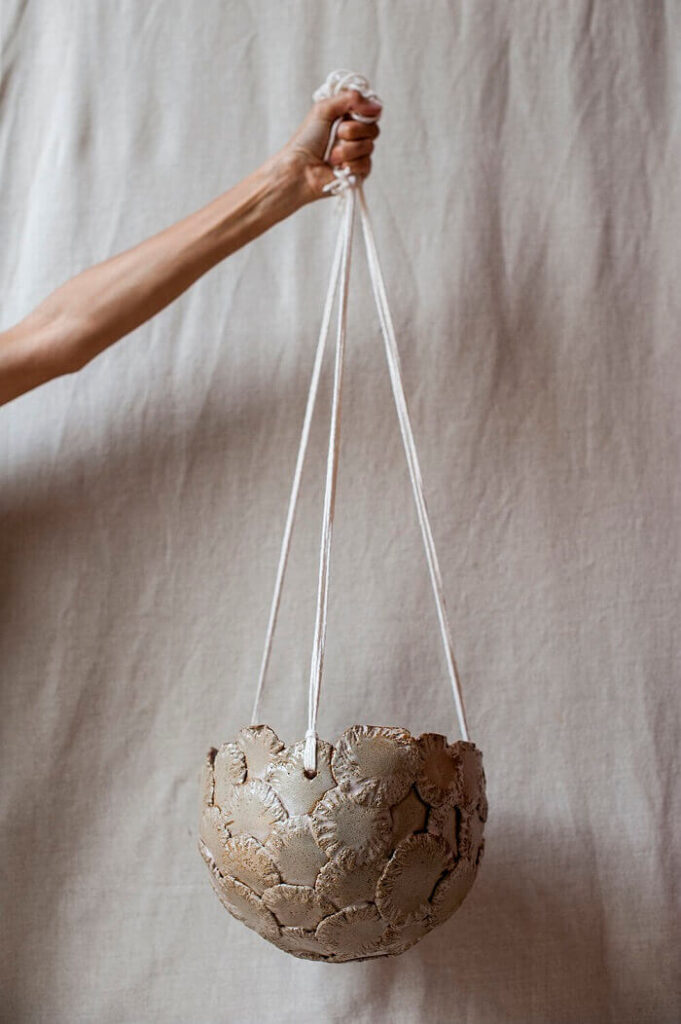
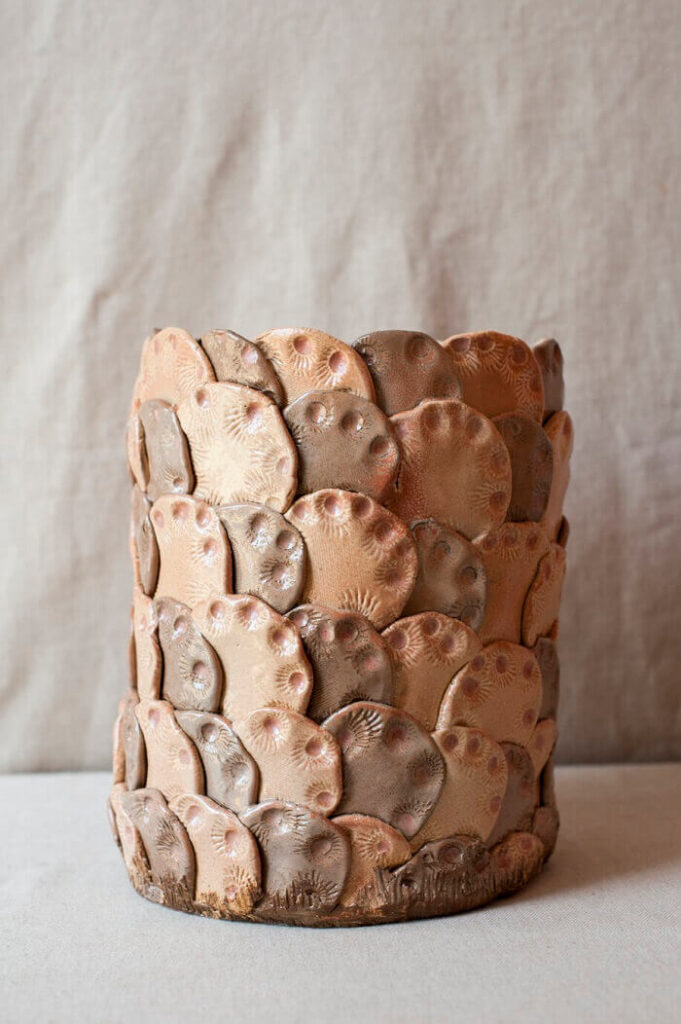
    Her catalogue includes cups, cutlery, plates, tiles, jugs and vases of various sizes and shapes. Each piece takes at least three weeks to complete because they have to be done slowly”, and Madalena Telo is guided by the seasons.

    “The process is slower during the winter because there is a lot of humidity in the air and the pieces take longer to dry, but this is fantastic because it allows me to make pieces with other characteristics that aren’t possible in the summer, as they dry very quickly,” she explains.

    In the Algarve, there are already a number of places where you can find pieces with Madalena Telo’s signature, such as coffee shops, fine-dining restaurants and boutique hotels.

    “These are all interesting projects, particularly linked to sustainability”, as is the case with Loki in Portimão, by chef João Marreiros, considered the most sustainable restaurant in Portugal.

    Also in the western Algarve, in Aljezur, at the Koyo coffee shop, you can taste coffees from around the world in cups made by Madalena Telo.

    And at Austa, a restaurant in Almancil focussed on local production, you will also find some pieces by the Monchique artisan.

    Internationally, she has received orders from all over Europe, the United States, Japan and even New Zealand – the latter is a project the ceramist cannot forget.

    “I created some spoons after the 2016 Monchique wildfires. I noticed that the trees, cistus and bushes looked burnt, but when you removed the black layer, the wood was still beautiful. The way I found to give this wood a second life was to create ceramic spoons with wooden handles. A Portuguese emigrant wrote to tell me that she felt a very strong connection to my work and asked me to send the pieces to New Zealand. The truth is that I may live in an isolated place, but I feel connected to the whole world,” says Madalena Telo.

    To find out more about the work of the Monchique ceramist or to place an order, you can visit her social media pages.

    Follow Madalena Telo on Instagram.

  • New perfume pays homage to the Portuguese Discoveries and the Algarve

    New perfume pays homage to the Portuguese Discoveries and the Algarve

    The scent of history

    – September 21, 2023 | Text & Photos Maria Simiris

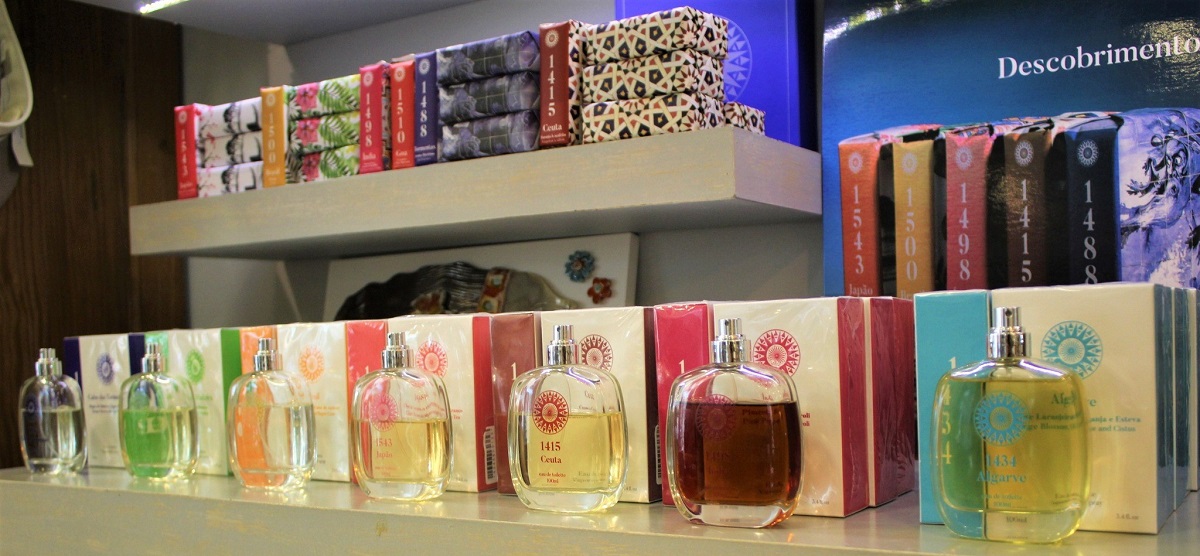
    Portuguese navigator Gil Eanes, born in Lagos, was the first man to successfully sail past the Cape Bojador in 1434. His feat went down in the history of the Portuguese Discoveries and, over half a millennium later, a new fragrance has been created which celebrates his achievement.

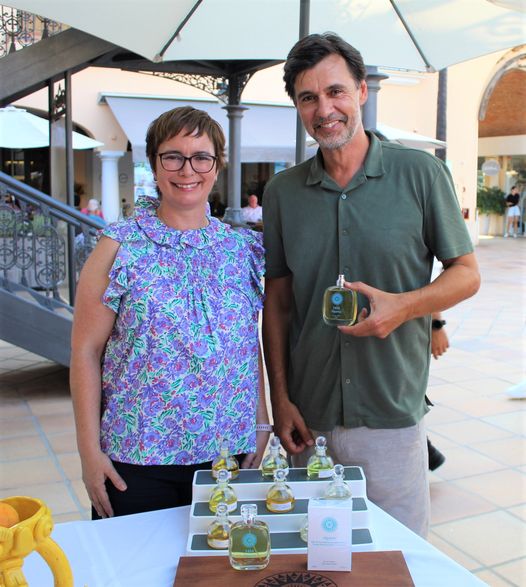
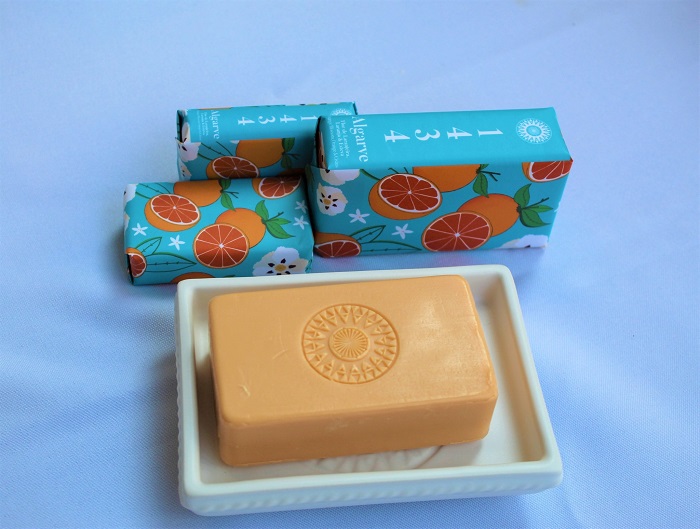
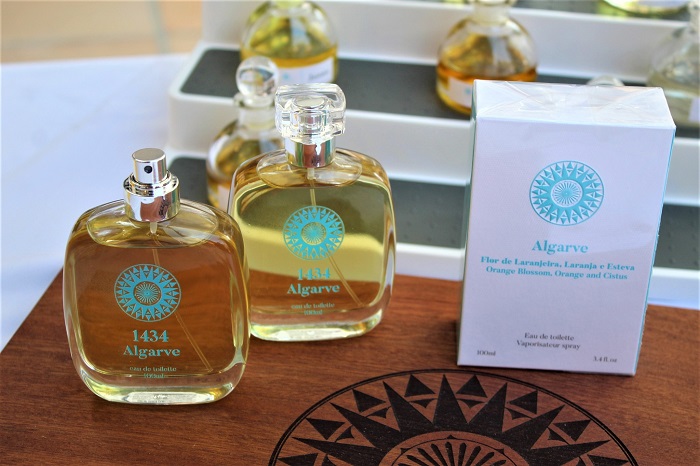
    It is called ‘Algarve’ and was officially unveiled in the form of a perfume and soap. “This is a journey to the soul of the Algarve, far beyond the beaches for which the region is known,” said Luís Pereira, founder of the Leme Perfumes com Estória (Perfume with a Story) brand.

    “It is a floral-citrus fragrance that takes us on a discovery of the local olfactory trail. From the intoxicating scent of orange and almond blossoms to the warm notes of a summer day, it is an ancestral, profound, and timeless connection to our sea. This is also our tribute to the Algarve, and that’s why we created this collection,” he added.

    “We work with important tourist shops that sell Portuguese souvenirs. The idea was to create a perfume brand for this audience, a product with an interesting story that would be an appealing gift to offer someone after their vacation and, in this case, bring the Algarve to other countries,” said Pereira.

    The foundation of the fragrance for LEME was orange, orange blossom, and rockrose. The goal was to create a perfume that evoked a “more authentic Algarve, beyond just the beach” – in other words, it could not be an aquatic scent typically associated with summer.

    Perfumer Paula Gomes from I-sensis Perfume Design was entrusted with bringing this idea to life. “In olfactory marketing as well, the first step is storytelling. What does the Algarve convey to us? What fragrances do we identify with it? Orange, orange blossom, and summer.

    The perfume carries those warm notes of heat with amber and vanilla. It also features rockrose, a plant that is abundant in the region. Additionally, it includes almond blossom, which is so characteristic and intriguing, adding a certain mystery to the fragrance. That’s how I constructed the structure of this fragrance, based on this story and these notes,” explained Paula Gomes.

    The ‘Algarve’ soap and perfume are sold at 60 stores nationwide, with prices ranging from €45 for the perfume to €4.50 for the soap. In the Algarve, they are sold at all Casa da Bli stores, Mar d’Estórias (Lagos), and Autêntica (Sagres). A shower gel using the same fragrance is also in the works.

  • From generation to generation, one family continues to pass on the traditions of locally produced regional liqueurs

    From generation to generation, one family continues to pass on the traditions of locally produced regional liqueurs

    A taste of the Algarve

    – September 7, 2023 | Text Beatriz Maio | Photos Charlotte Cockayne/Open Media Group

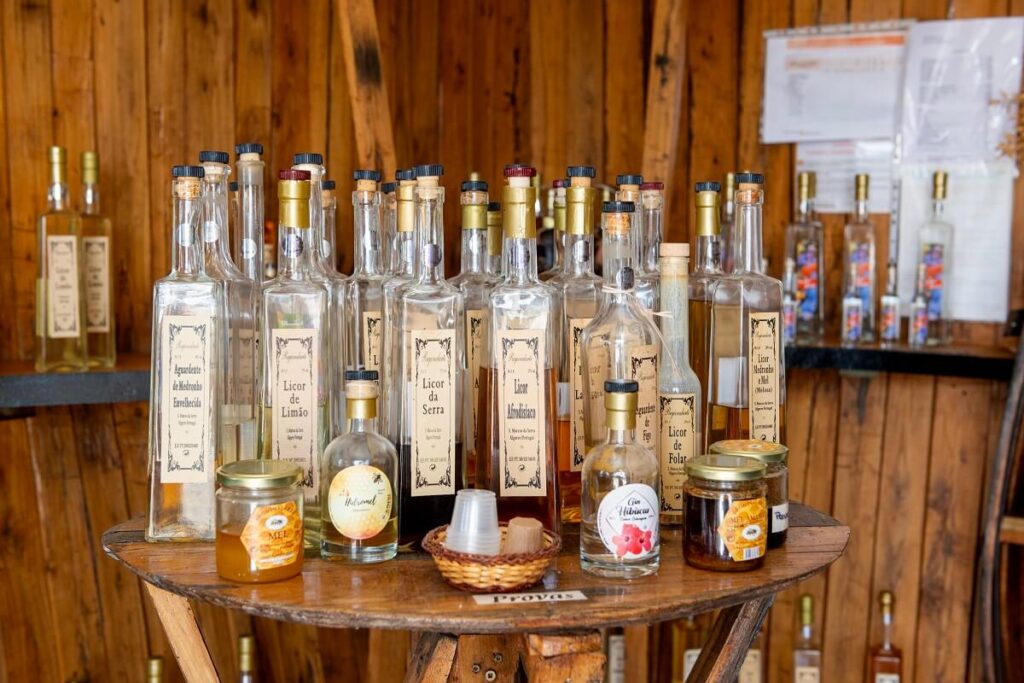
    It is in the heart of the mountains that some of the region’s most flavourful liqueurs and firewater are born, produced by a couple who have collected centuries’ worth of knowledge for their production. In this family, it is a tradition to provide for those who enjoy a drink at the end of the meal with the most distinctive flavours, a practice that started with the actual owner’s great-great-grandfather.

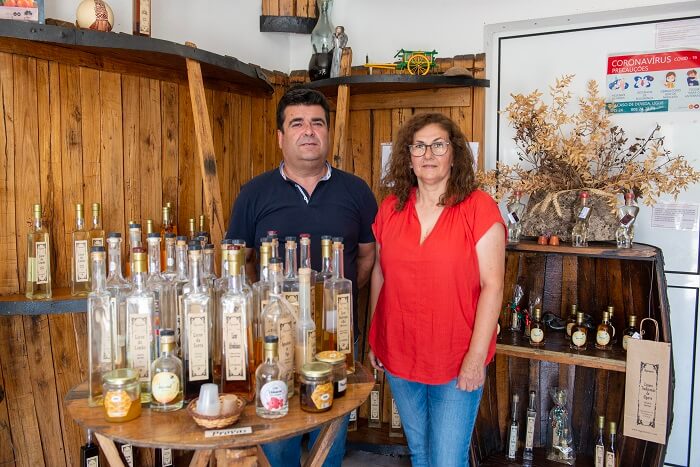
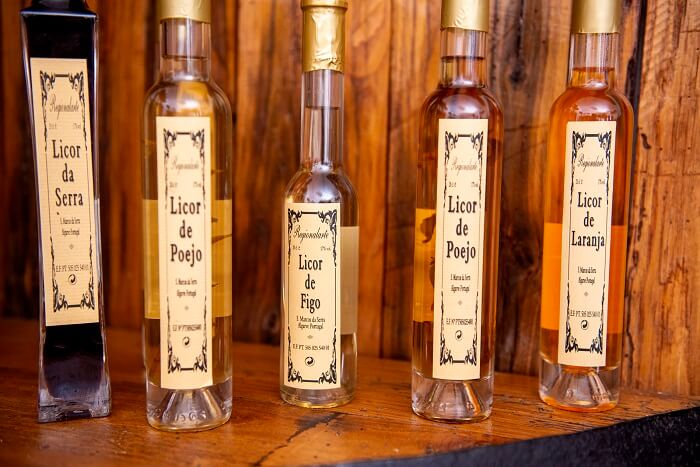
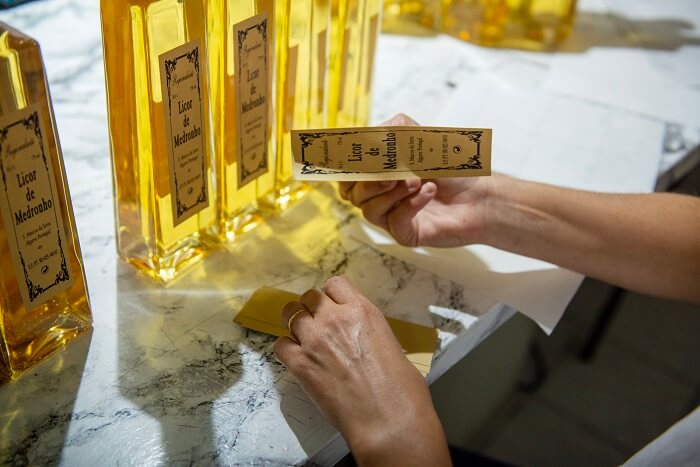
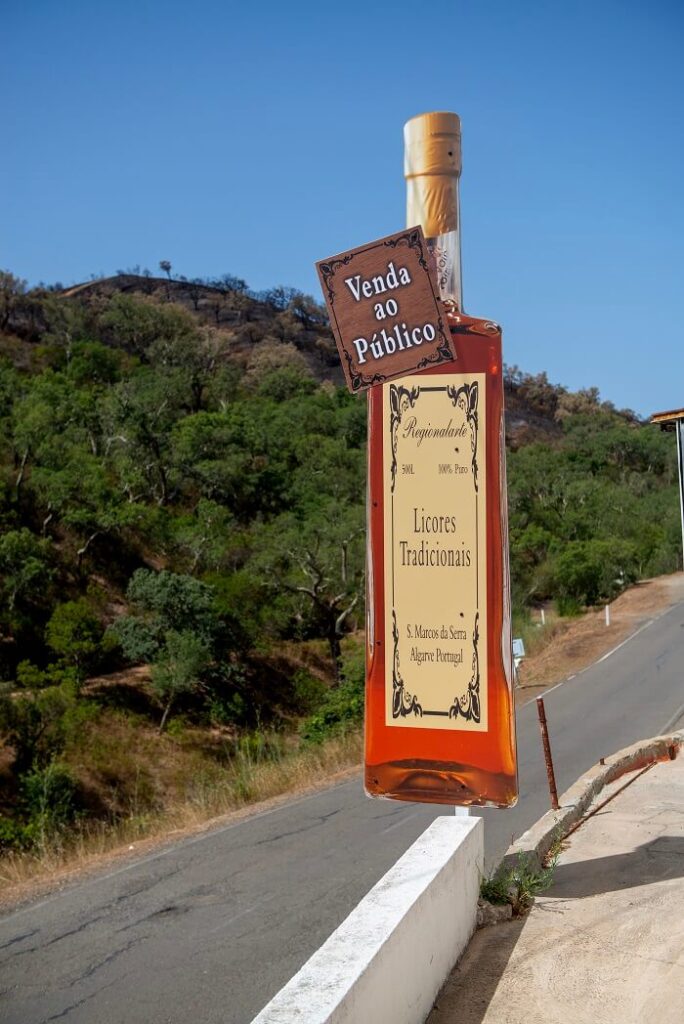
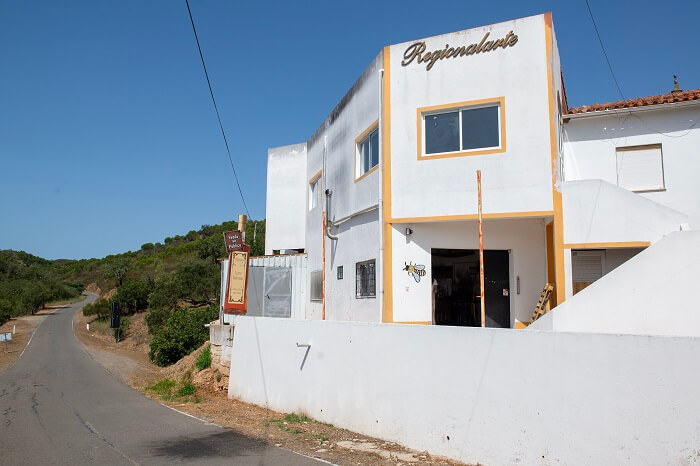
    Jorge Lima and his wife Esmeralda, both from São Marcos da Serra, in Silves, are the owners of Regionalarte, a company that was born in 1999 with only three drinks and has not stopped growing since. At the moment, they have 17 liqueurs that stand out on the market, with something for everyone, even those with peculiar taste.

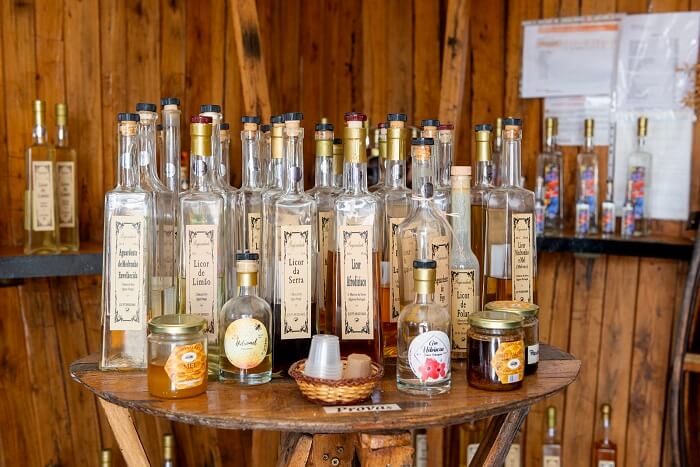
    From the typical flavours of the Algarve region such as carob, fig, almond and honey to more unique creations like the Folar liqueur, made with milk, herbs and sugar; the Aphrodisiac, made with ginger, ginseng and pau de Cabinda (yohimbe bark); and the Devil’s Breath, with a spicy kick.

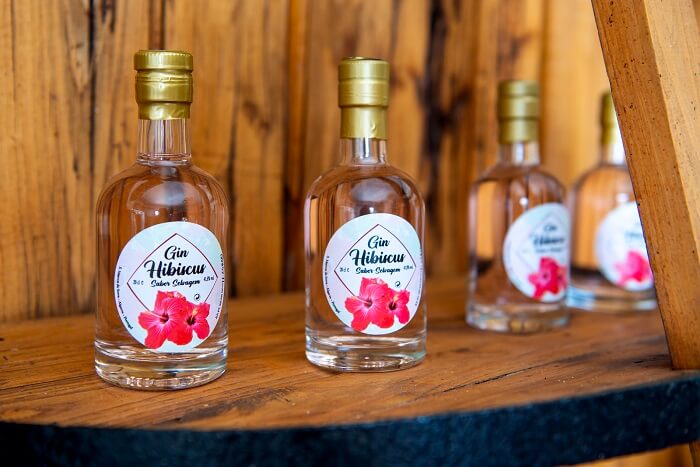
    The range of options is wide, whether for a more refined or casual occasion, with cinnamon, pennyroyal and lemon liqueurs also available as well as a special one called Licor da Serra (Liqueur from the Hills ) made with port wine flavoured with cinnamon. But it doesn’t stop here. Jorge not only makes liqueurs but also gins, firewater (aguardente), honeydew (melosa) and honey. Like the liqueurs, the Caesar’s Gin, Hibiscus and Cobiçado brands are also exclusive products born from his creativity.

    Many of the productions are a result of experiments, together with the curiosity of the owners, friends or customers, with special requests always welcome and enthusiastically received. The Aphrodisiac liqueur, for example, was created in response to the owner of an aphrodisiac restaurant, in Faro, who idealised a signature drink for the establishment.

    From this order, two drinks were made with the same ingredients, a 17%-proof liqueur and a 42%-proof firewater. “People liked it and we ended up selling thousands of bottles,” recalled Jorge, emphasising that “the priority in orders is to provide a solution and please the customer.”

    Currently, they are developing a special order called the Apple Fire, a firewater of apple and cinnamon, which will be exported directly to Spain. Companies and individuals both national and international appreciate Regionalarte drinks, distributed all over Portugal and even in the islands.

    The biggest foreign buyer of these liqueurs comes from the Netherlands, after a group stopped by the facilities in São Marcos da Serra and sampled the drinks. Four months later, an article was published in a Dutch magazine about Regionalarte liqueurs. Also, the fact that there is a camping site, whose owner is Dutch, with about 90% of the customers also Dutch, means that many visit Jorge and end up buying bottles to take to Holland.

    In spite of that, their biggest fans are the locals. “Our drinks have sweet and intense flavours, just as Portuguese people like it,” Jorge commented, explaining that “some are stronger than others”, but all are “great at the end of a meal”.

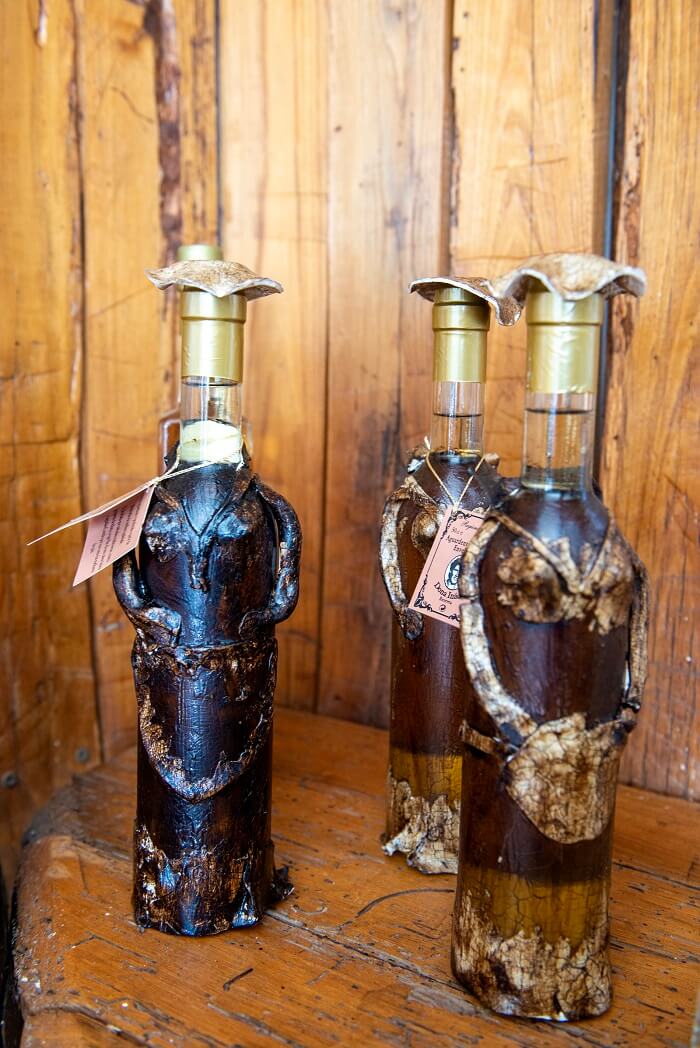
    Another of the Algarve company’s specialties is the aged firewater with a woody aroma and flavour, after fermenting in barrels for about seven months – a meticulous process since if the fermentation time is exceeded the drink will have too much wood flavour.

    This production differs from normal firewater by being more flavoured and stronger as well as by its browner colour. Because it is so unique, it is the drink that honours the owner’s mother, Dona Inácia, part of the 4th generation of distillers in the family who has always been linked to the medronho harvest and is therefore considered “the inspiration behind the business”.

    The place where the liqueurs are sold carries history and feelings, even the decoration was thought out in detail. The wood used to make the shelves is over 100 years old  – it came from the distillery of Jorge’s great-grandfather, grandfather and father. “It was not only a way to save and recycle wood, but also to bring everyone’s presence here,” explained the owner.

    Therefore, it is a family business where everyone helps. Jorge’s eldest daughter, Rute Lima, with a degree in Public Relations, is the one who promotes the liqueurs at many craft fairs and makes their flavours known. “She has the gift of gab and customer service which allows her to respond to people who are curious about the liqueurs and want to know more,” commented Jorge.

    In truth, Regionalarte was not meant to be a liqueur brand, but a craft brand, dedicated to the production of stone and iron materials for construction sites, as well as furniture such as beds, sofas and tables. However, the desire to make drinks that last a lifetime, even after opening if they are properly preserved, was stronger.

    Although the present is bright and the future looks promising, Jorge revealed that “the goal is to grow, but always with the feet on the ground”.

    By this, he meant that to maintain the quality of his products he will not produce large quantities “because this can cause the quality and essential characteristics of the liqueurs to be lost”, so he will keep producing through traditional methods in a small distillery. “We will do our best to keep growing. We want more and more people to take our liqueurs home,” he stated.

    Follow Regionalarte on Facebook.

    Read more Algarve News:

  • Lusitânia Shop pays Tribute to Finest Portuguese Products

    Lusitânia Shop pays Tribute to Finest Portuguese Products

    Lusitânia Handmade Gift Shop

    Lusitânia Handmade Gift Shop handpicks the finest handmade contemporary pieces from around 40 artists

    – December 7, 2021

    The Lusitânia Handmade Gift Shop opened its door in Carvoeiro, right before the COVID-19 pandemic cast its shadow over Portugal. After travelling all over the country and Europe, Lagoa-native Tânia Silva wanted to bring to her community a different concept of traditional craftsmanship. “It’s a project dedicated to that which is handmade in the country, in an exclusive way and totally different from industrialised products. We value contemporary craftsmanship through unique and original pieces made by our artisans,” she explains.

    Lusitânia’s goal is clear: “To highlight and promote our national craftsmanship”

    And so, the shop brings together pieces by around 40 artists from all over the country, of various ages and using different materials and techniques. Although very different, they all have something in common: “These are excellent products, made with soul, dedication and love, all from Portugal”, and which are difficult to find anywhere else.

    In Tânia’s own words, the shop’s main goal is crystal clear: “To highlight and promote our national craftsmanship.”

    Lusitânia Handmade Gift Shop

    A walk through Portuguese Art, from decorative to practical ceramics, macramé, jewellery, paintings and much more

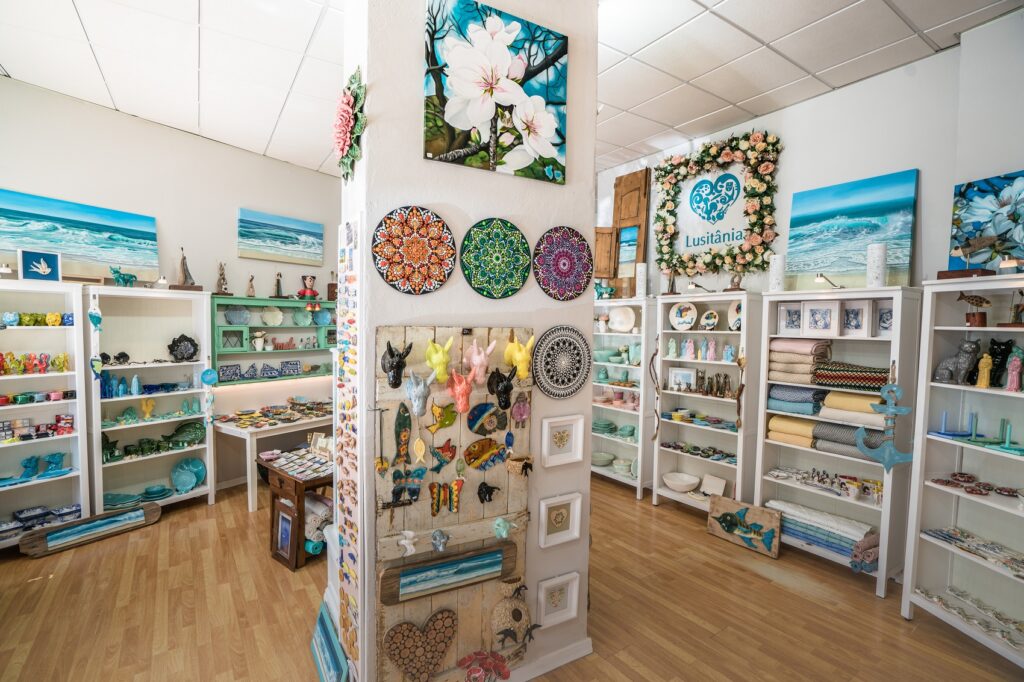
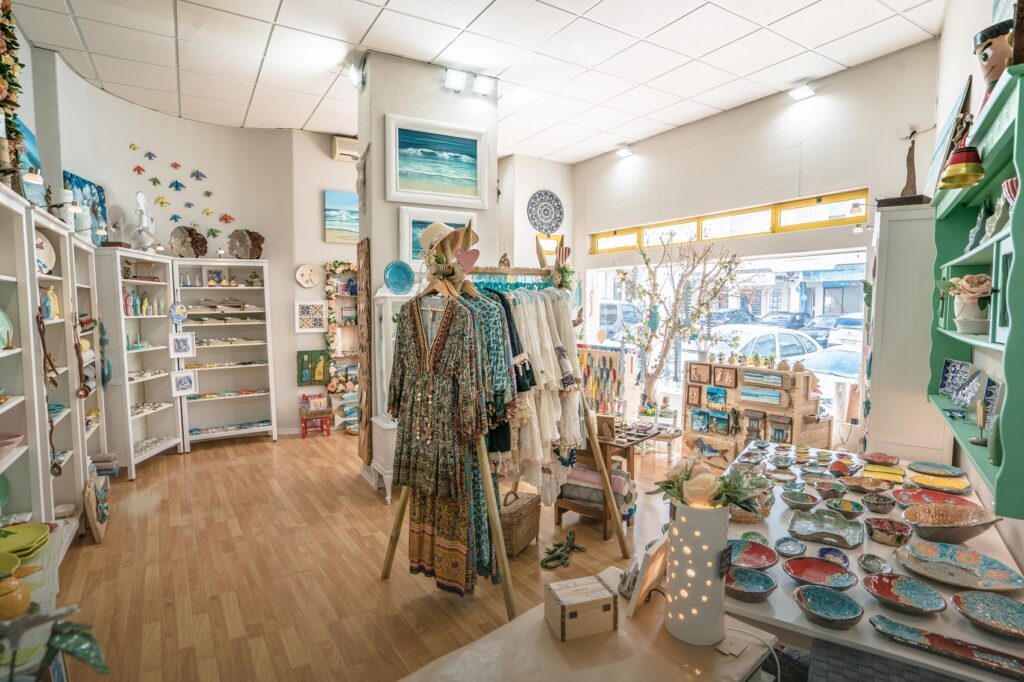
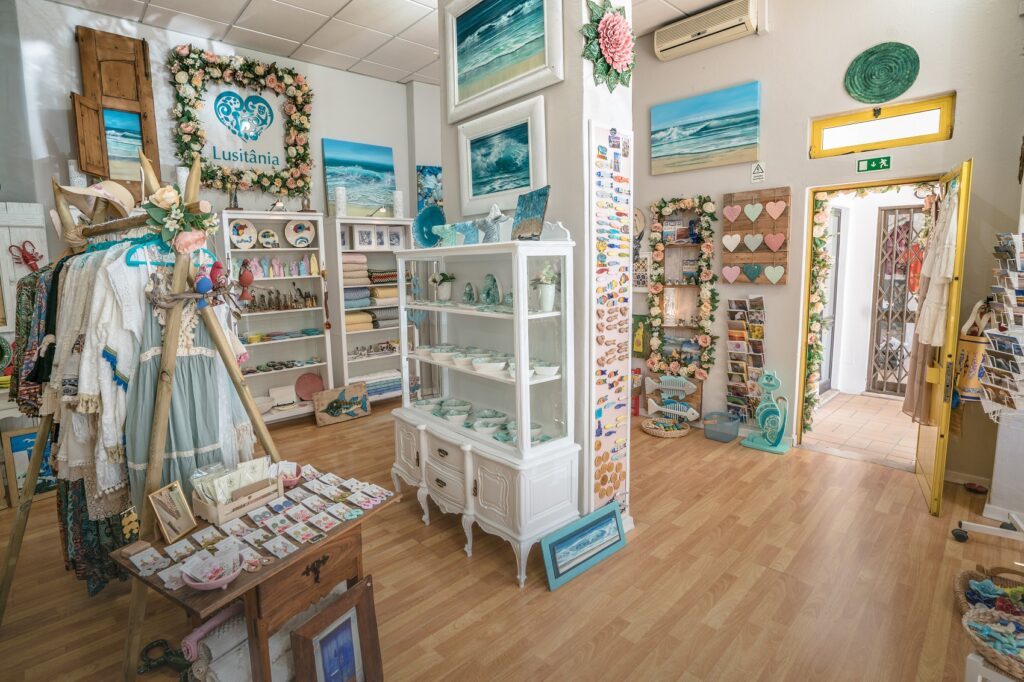
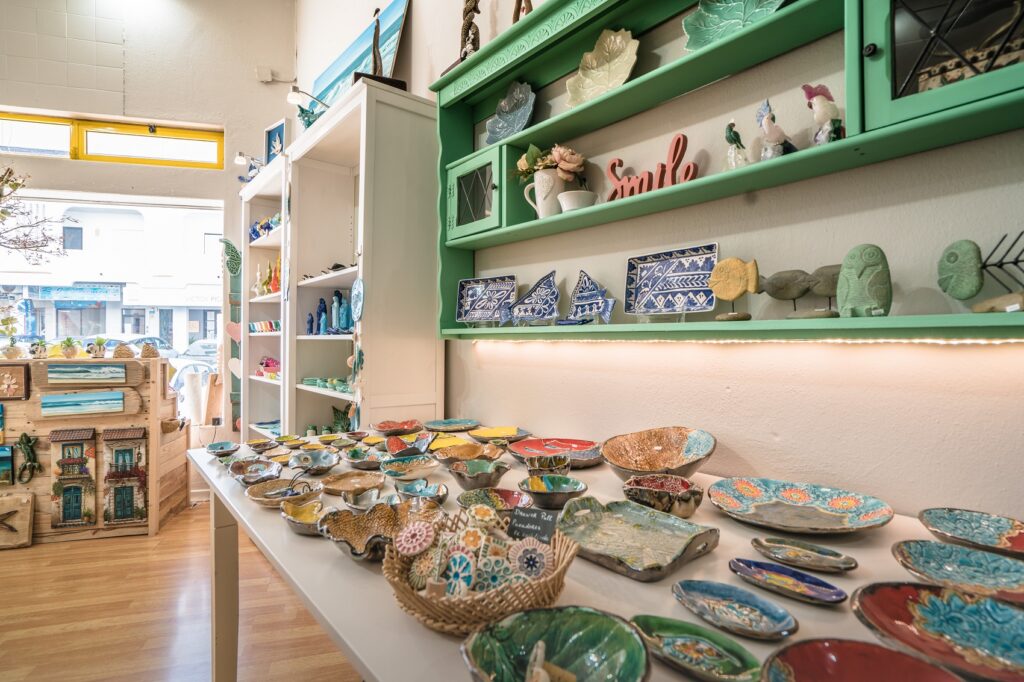
    Walking into Lusitânia is like going on a journey of Portuguese art, ranging from decorative or practical ceramics, original canvases, azulejos (traditional tile work), macramé, tableware, jewellery and unique signature pieces.

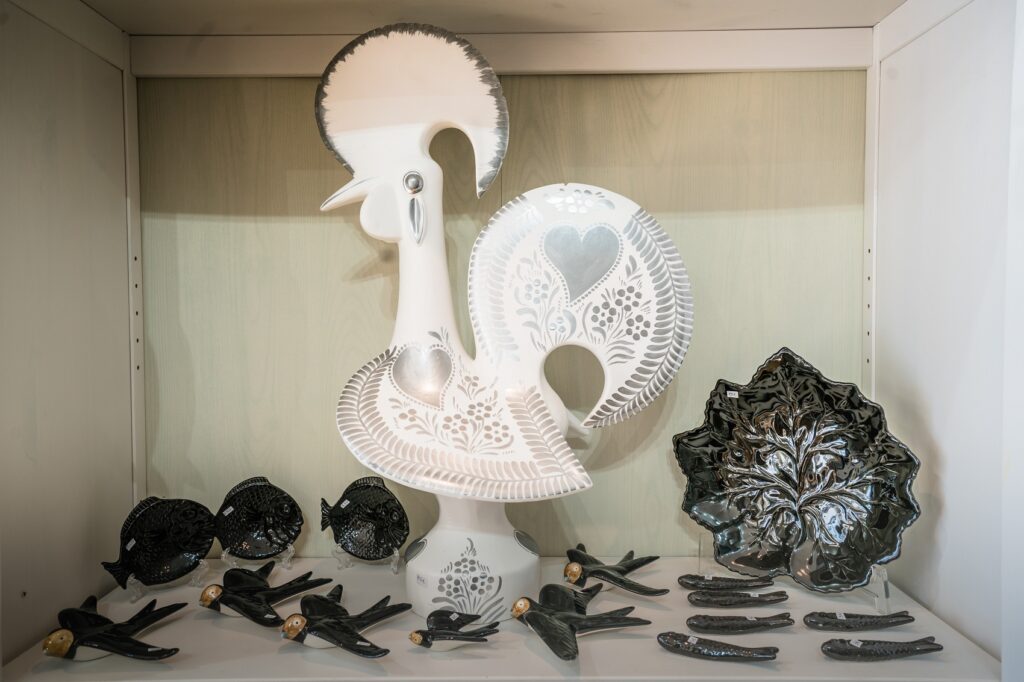
    Here, you’ll find ceramics from Caldas da Rainha, typical Alentejo chairs, quilts from Serra da Estrela, religious pieces from Fátima, the Barcelos rooster, azulejos from Alcobaça and other works from Pombal, Lisbon and, of course, the Algarve. And Tânia herself handpicks all of this.

    “I have a very close relationship with each artist. I visit the studios where they work so they can show me what they have and I choose the pieces that best fit the shop’s concept. Sometimes I’ll even tell them what I want and even sketch out my idea and they do it. That’s why there are a lot of custom pieces as well,” she explains.

    This close relationship seems to seep into the community. Just last summer, Tânia saw several artisans come into Lusitânia requesting to have their work sold at the shop as well. But there is one thing that leads to certain elimination: “If I see that an artist doesn’t put love and dedication into their piece, I cannot invest in them because I feel that their goal is simply to sell,” she states.

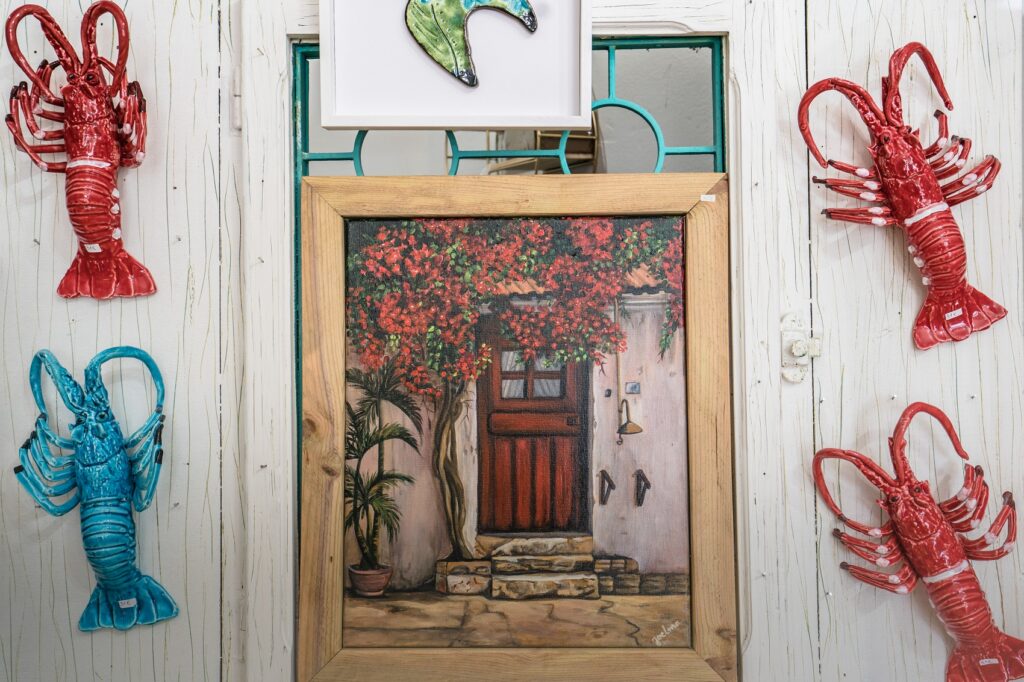
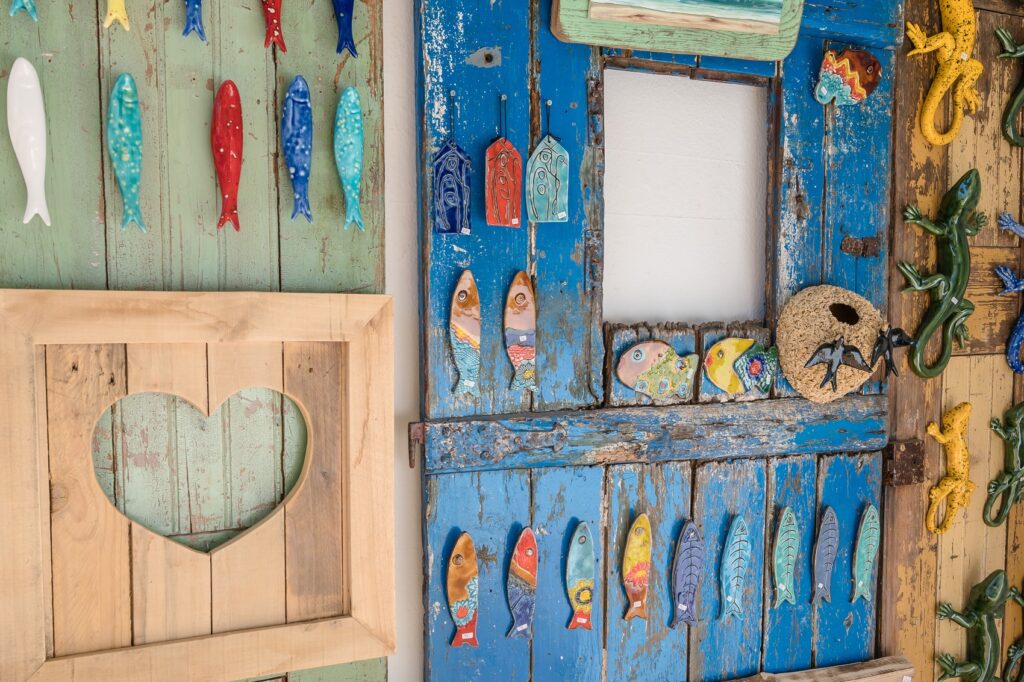
    Coming into Lusitânia Handmande Gift Shop, the first thing you’ll notice is the many colours on the walls and shelves, usually loaded with ceramic sardines, lobsters and swallows.

    There are also mandalas, postcards made of different materials, mugs and plenty of decorative china and tableware. Nativity scenes are sold year round, along with fridge pins, paintings using recyclable materials and paintings of seascapes, angels, key rings and books. But the top sellers are the decorative azulejos and soap dishes.

    “These are all items that cannot be found anywhere else and that no other shop nearby will have. That’s our concept and it must be respected. I have a little bit of everything and something for everyone,” Tânia says, adding that she makes sure to always tell clients the story behind each piece, the materials used, who made it and where they come from. “This shop is an homage to the Portuguese people and our craftsmanship,” she says.

    At her shop, Tânia Silva welcomes painters, designers, sculptors, potters, carpenters and many other artisans. As for the clientele, most are tourists, both foreign and Portuguese, but a lot of residents visit the shop as well.

    From Lusitânia to the world

    Lusitânia can also ship any piece to anywhere in the country or the world — Tânia has shipped orders to the US, Japan, Canada, Australia and multiple European countries. The latest order, one of the biggest, came from an American company with offices in Lisbon, which commissioned 200 swallows customised with their logo, as gifts to the staff in the Portuguese capital during a company dinner. “They found me on Instagram and made the order. I spoke to the craftsman and I’m going to deliver the pieces in Lisbon myself,” Tânia reveals.

    As for the future, she hopes to take Lusitânia Handmade Gift Shop to other towns in the Algarve and beyond. “The goal is to grow and have shops all over the country. The first steps will be here in the Algarve and then elsewhere. I’ll have to do some thorough research as it will be tricky to find places that don’t sell pieces like what I have,” says Tânia. For now, she will be taking a Pottery course to create her own collections.

    During winter, Lusitânia Handmade Gift Shop is open Monday to Friday from 10am to 1pm and 3pm to 6pm, and on Saturdays from 10am to 1pm.

    Visit Lusitânia Handmade Gift Shop’s website, or follow on Instagram

    Text Maria Simiris
    Photos Phaze Photography
  • Salicornia

    Salicornia

    [inpost_galleria thumb_width=”175″ thumb_height=”175″ post_id=”1081″ thumb_margin_left=”3″ thumb_margin_bottom=”2″ thumb_border_radius=”2″ thumb_shadow=”0 1px 4px rgba(0, 0, 0, 0.2)” id=”” random=”0″ group=”0″ border=”” show_in_popup=”0″ album_cover=”” album_cover_width=”200″ album_cover_height=”200″ popup_width=”800″ popup_max_height=”600″ popup_title=”Gallery” type=”yoxview” sc_id=”sc1441290049164″]

    Introducing a little-known Ria Formosa culinary delicacy

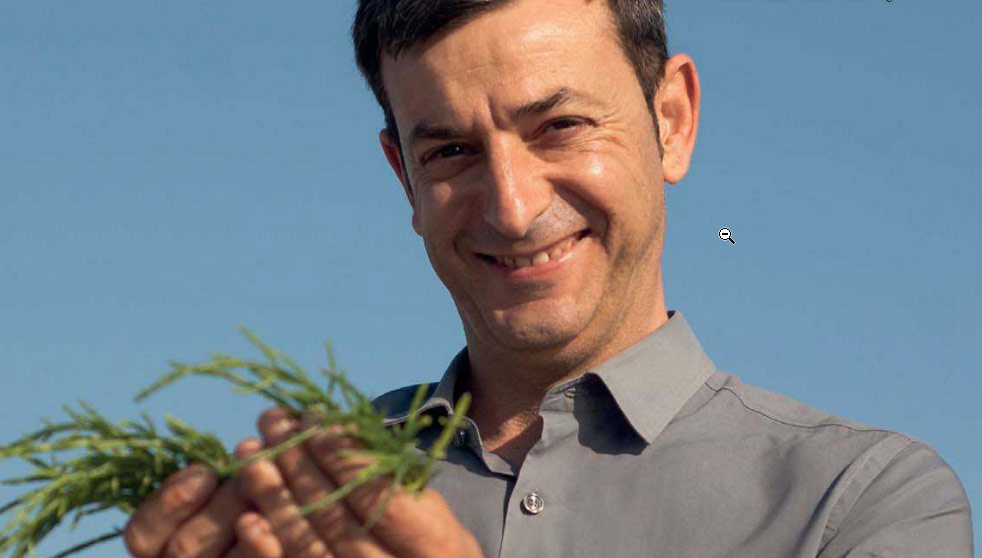
    The first samples of a little known, yet deliciously salty plant are currently being harvested in Ria Formosa. Salicornia (whose common names range from marsh samphire to glasswort and pickleweed) is tickling the tastebuds of many of Algarve’s chefs.

    Miguel Salazar, the CEO of start-up company ‘RiaFresh’, is not surprised. No stranger to the Portuguese gourmet scene himself, Salazar – a Spaniard living in the Algarve for 13 years – believes Ria Formosa’s variety is in a class of its own.

    Although Salicornia grows naturally from Wales to the Algarve coast, it is “a very complex plant,” the head of RiaFresh told us, “with a taste that varies “immensely” from area to area.

    “Even botanists have difficulty identifying the many varieties that exist,” the 43-year-old with a PhD in agronomic engineering admitted.

    “Historically, we were told there were four basic taste receptors: sweet, sour, bitter and salty,” he explained. “But some years ago in Japan, a fifth was identified, in the central part of the tongue. It involves the reaction of chemical components that increase the palate.”

    One of the characteristics of salicornia is a savoury taste known as “umami” – a Japanese word meaning “delicious”. It is the “umami” of salicornia that acts as a natural flavour booster. “Its texture, structure and morphology make it a very special finishing touch to many dishes. It is also a natural and healthy salt substitute.”

    RiaFresh developed as a result of research work conducted by mother-company Agro-On between 2011 and 2014 at Castro Marim’s Reserva Natural do Sapal.

    The research was designed to sustainably produce halophytes – plants that grow in or near salty water. Based in Faro, Agro-On has worked on many quality control food projects around the world.

    The start-up company is growing its first plants in a controlled environment, echoing the “natural conditions of Ria Formosa”, not far from Faro’s University of the Algarve in Gambelas.

    These custom-grown yet fragile plants are better protected from “extreme temperature changes, as well as other external factors” that could threaten quality standards, according to Salazar.

    “In our case, we’re producing an indigenous eco-type known as Salicornia da Ria Formosa, which involves a ‘thorough selection’ of the plant’s tiny seeds.”

    RiaFresh’s first seeds were planted last December and by the end of March, the plants were ready for harvesting, just short of maturity – and in their prime.

    Salazar’s initial goal is to produce 300 to 500 kilos of Salicornia de Ria Formosa – enough to introduce this new Algarve delicacy to the region’s gourmet market and fine dining restaurants.

    “For now, all we need is a small group of chefs to get creative,” Salazar declared, adding: “this far, we’ve had great feedback.”

    The first batch is available in 30, 60 and 100-gram packages and can remain fresh for up to two weeks “if kept cool” – but the likelihood is that people will gobble it up in a blink of the eye.

    Salazar is aiming to sell the delicacy at gourmet stores and selected outlets, “But for now, we run an online store where people can order it.”

    RiaFresh isn’t content to limit itself to salicornia. It’s also planning to cultivate other vegetable species naturally found along the Ria.

    “This is just the beginning”, revealed Salazar.

    www.riafresh.com
    Text Bruno Filipe Pires