Portimão’s Museum welcomes the third International Painting Symposium between March 6 and 11th
– March 6, 2023
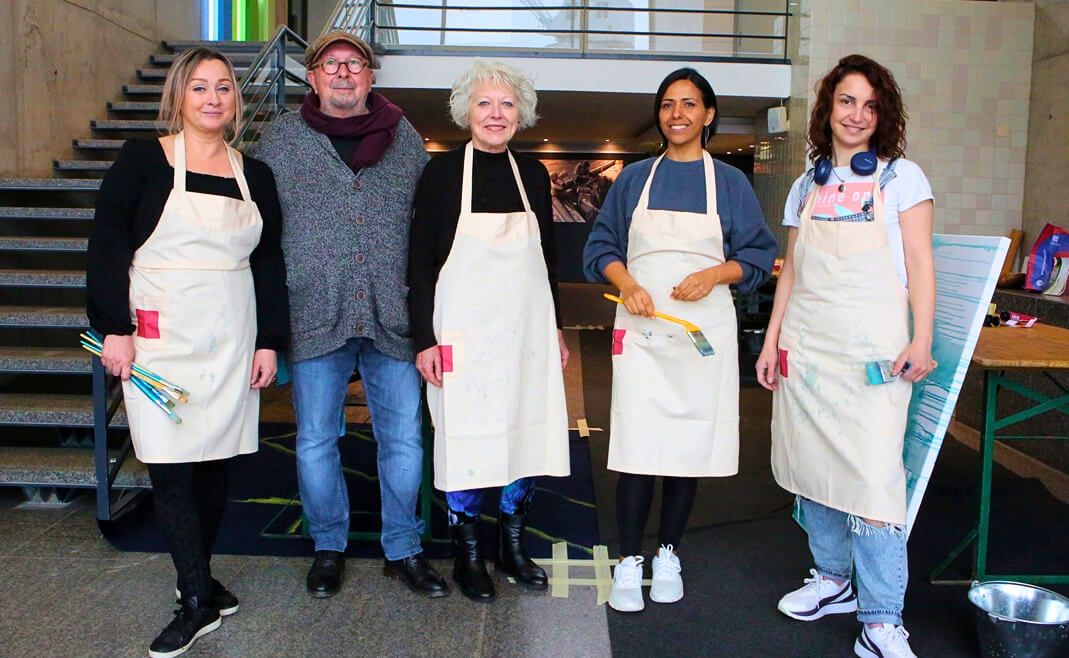
The Museum of Portimão welcomes the third edition of the International Painting Symposium, taking place between March 6 and 11 at the auditorium hall, between 9.30am and 6pm.
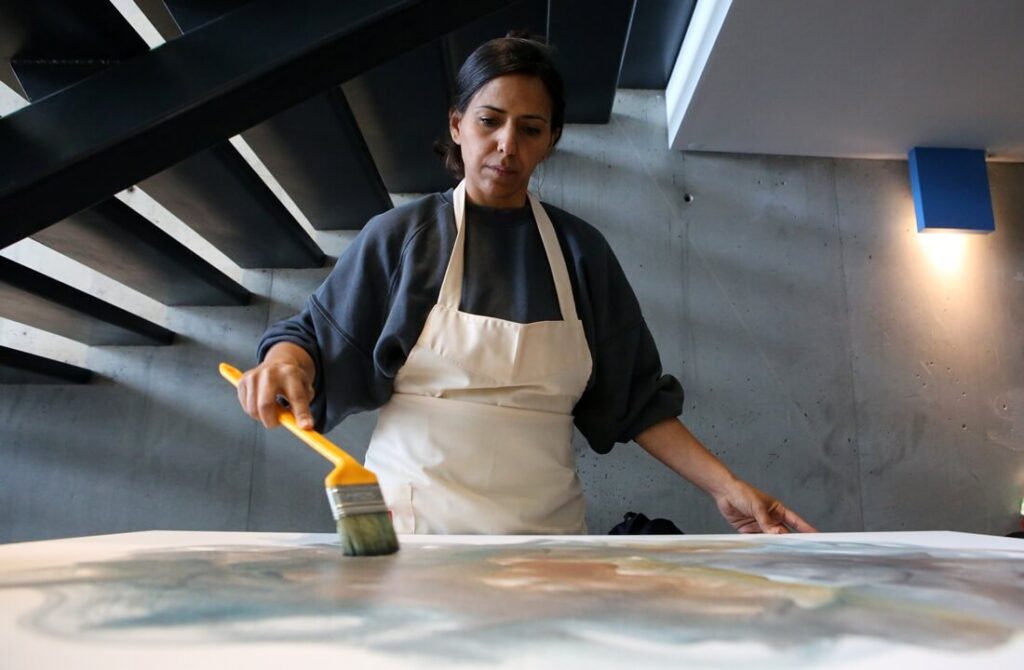
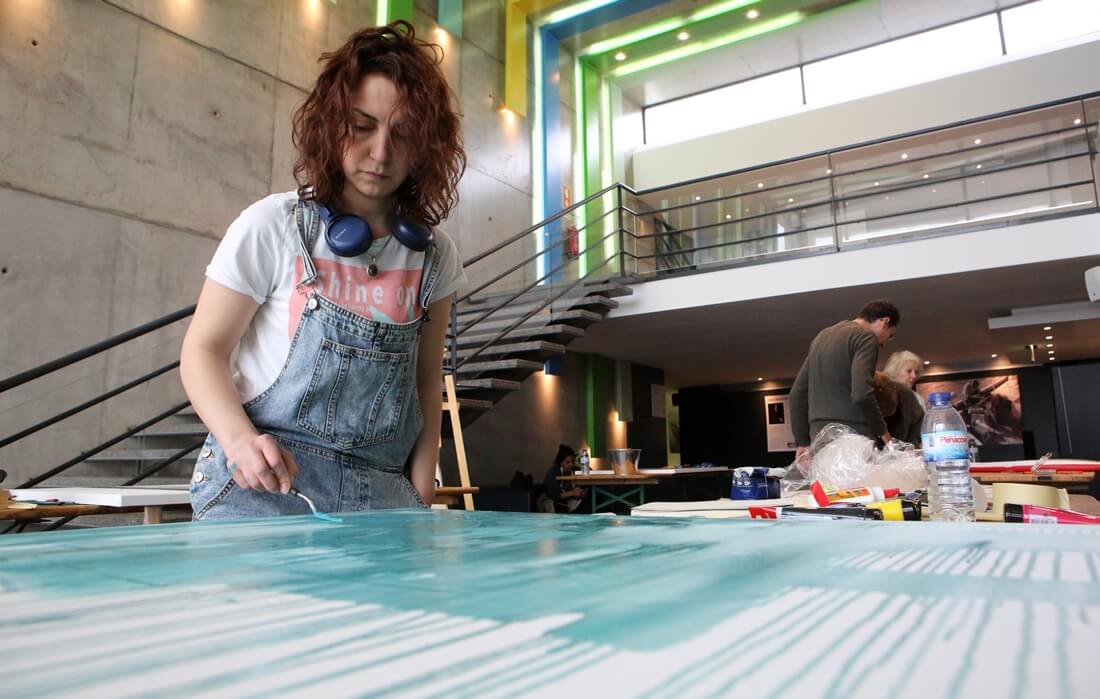
This year’s edition invites the exploration of the theme “Freedom and Woman”, welcoming four internationally recognised artists from different cultures and religions to create paintings under topics related to refugees, gender violence and sustainability. Aseel Azizieh, from Jordan, Rasha Deeb, from Syria, Toña Gomez, from Spain, and Kinga Subika, from Poland.
Over the course of this six-day event, “an artistic, abstract, and modern exploration of the given themes will be conducted in an open atelier format”. According to the organisers, “this will allow for conversation between the artists and the public, who are encouraged to participate and make the most of the symposium.”
Staying relevant while preserving tradition can be a conundrum in the wine world. This ever-growing industry sees new producers, with creative projects attracting young and knowledgeable consumers, opening their winery doors faster than ever. Keeping up with new trends without losing your identity can be tricky for a winery.
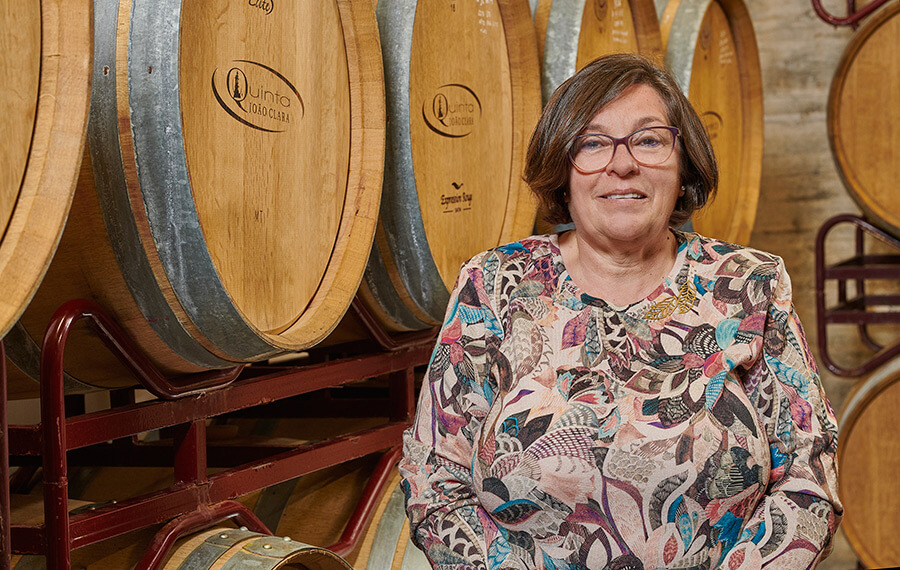
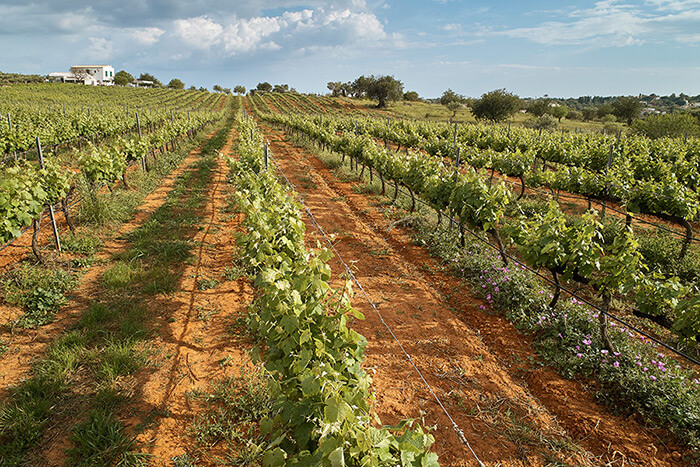
On the slopes of the Alcantarilha hills, Edite Alves appears to have found the right formula for João Clara. With her daughters and son-in-law’s support, she is perpetuating her husband and father-in-law’s work while making her dreams come true by further growing and innovating the business.
João Maria Alves, better known as João Clara, bought what was a fruit farm in 1975 and, like most farmers did in those days, planted the first vines for home consumption. His son, Joaquim João, was the one who decided to take this production to the next level. He added new varieties – Touriga Nacional, Syrah, Alicante Bouschet, Aragonês, and Trincadeira – to the existing Negra Moles vines to make their first commercial wine.
Named after its creator, João Clara soon grew into a reputable boutique winery. The 26-hectare farm now includes 14 hectares of vines, almond, fig and carob trees, and an olive grove, whose fruit will soon be used to make branded olive oil.
Following in her husband’s footsteps, Edite is taking the business even further. Having been dependent on another local producer for their vinification for so many years, two years ago, with the inauguration of their new state-of-the-art winery, the family was finally able to do their own vinification. “Now we can smell and taste the wine when we want. It’s completely different,” exclaims the matriarch. “We can give it our personal touch. And thanks to modern equipment, we have increased the quality of the wine.”
The pioneering nature of this producer is evident. Led by consultant winemaker Joana Maçanita, the team is constantly working on creating new wines using different types of vinification techniques. This innovative mindset has been present since the very beginning. Joaquim João hired Joana’s brother, the young and daring winemaker António Maçanita, to make João Clara’s first red. Then came Claúdia Favinha, who created the single varietal 2011 Negra Mole, marking the grape variety’s big comeback, having been shunned by the wine world for decades. And now, Joana Maçanita has unleashed João Clara’s full potential by creating the region’s first GI (Geographical Indication) sparkling wine, its first GI Late Harvest, and the winery’s greatest adventure yet, the “vinho de talha”, made in amphoras, a technique instilled in Portugal by the Romans over 2,000 years ago.
Negra Mole, the first vine planted on the farm, is not only Portugal’s second-oldest variety, but it is also the Algarve’s most emblematic grape. Similar to Pinot Noir, it results in light-bodied reds that are best served chilled.
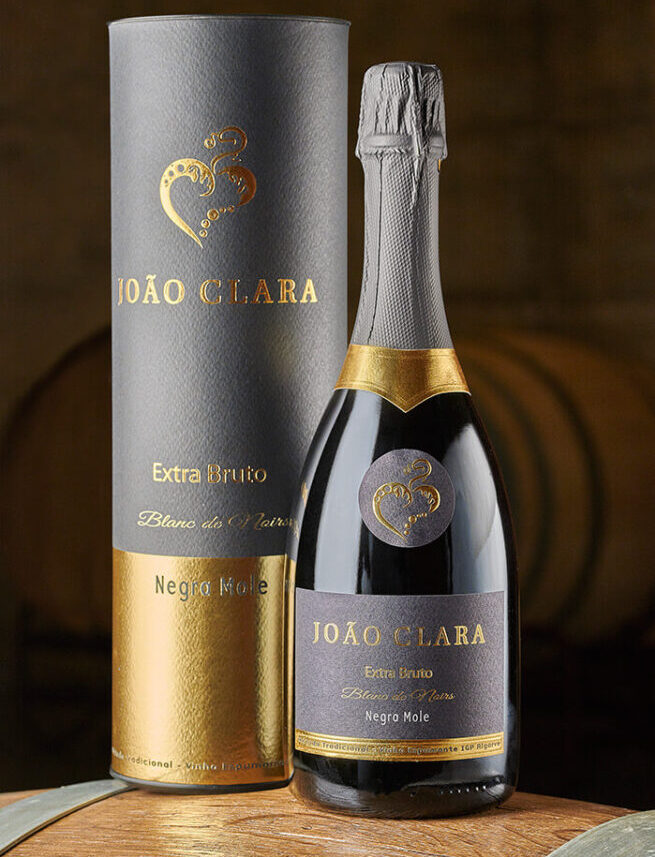
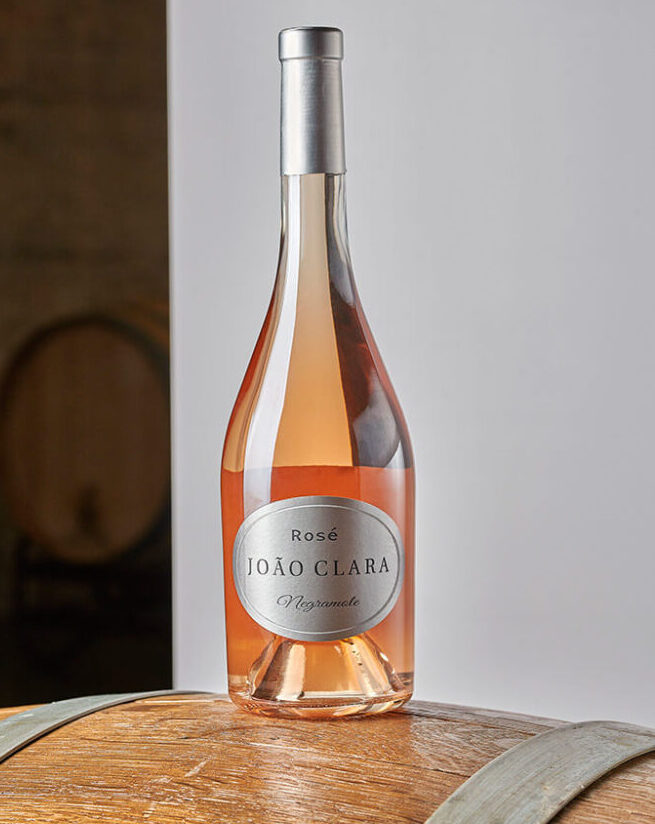
João Clara is proud to be elevating Negra Mole to new heights by vinifying it using different techniques, showcasing its versatility. They use it in their red blend and to make the Negra Mole Reserva, a light-bodied oak-aged wine with creamy and smoky notes and hints of almond and fig, revealing its terroir. They also used it to make their salmon-coloured rosé and newly released Blanc de Noir sparkling wine, made using the traditional method and bottle-aged for three years. And last but not least, the soon to be released amphora wine, which according to Edite, will be the complete opposite of the oak-aged Negra Mole.
But there is more to João Clara than Negra Mole. The winery’s portfolio includes wines for every taste and type ofpairing. It even has an entry-level range – Às Claras – created for restaurants to recommend as local wine at an affordable price.
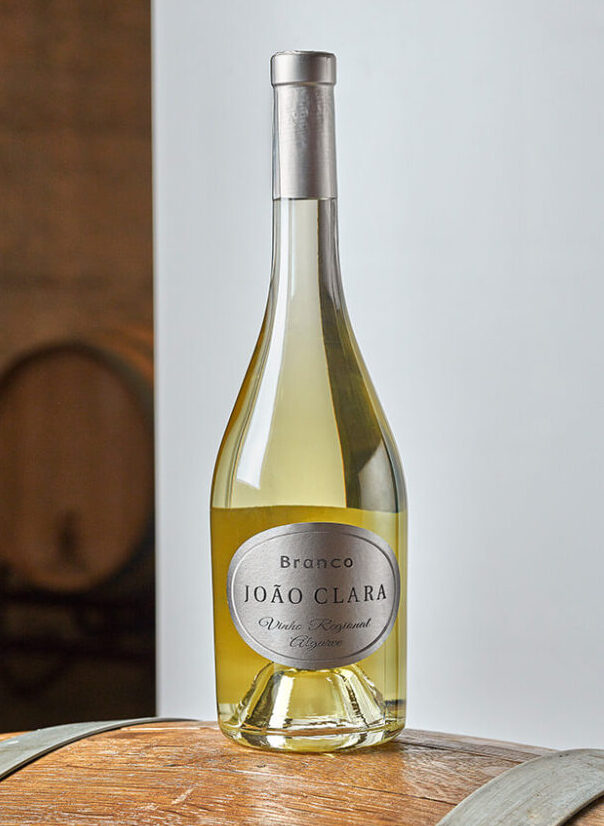
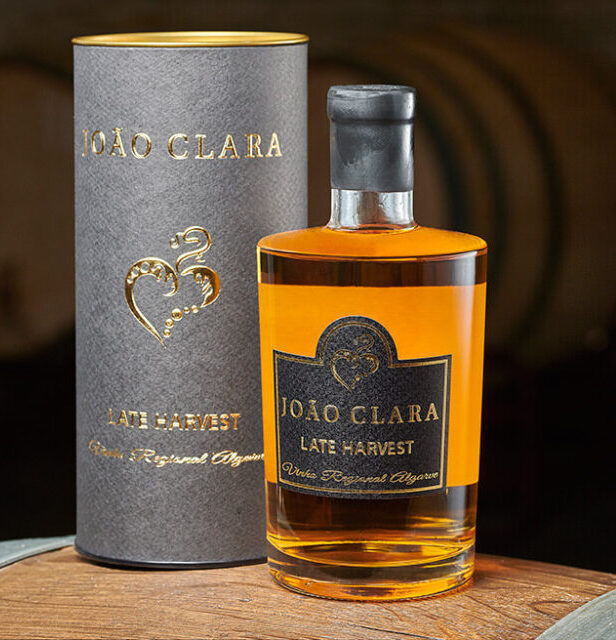
The whites are popular in this region, where seafood abounds. The João Clara white is a blend of Arinto, Alvarinho and Verdelho with a touch of Moscatel. Full of fruity aromas, it has notes of orange flower and lemon, ideal for seafood and salads. The Alvarinho, aged in oak for ten months, is creamy yet fresh and has a lot of fruit. As for the reds, the Syrah and the Reserva, both barrel-aged, have more body than the Negra Mole wines. They are made to accompany game and meat dishes. And, of course, the Late Harvest, a sweet wine that Edite is proud to say has won over many of the Algarve’s top chefs, some of whom have even included it as part of the pairing for their tasting menus.
With the growth of the wine industry also comes a boom in wine tourism. A growing number of visitors and wine enthusiasts look for experiences that will give them a taste of the Algarve’s new wines. “I never needed a diary to keep track of the bookings, but now I can’t do without one”, exclaims Edite. Although their infrastructures may have grown, she is still keen on hosting small groups of visitors, no more than twenty at a time. “We want them to have a VIP experience, to feel they have the producer’s complete attention. These clients come back, bring us other clients, and buy our wines in their country.”
Tours and tastings at João Clara, which must be booked in advance, range from a visit to the vineyard and winery followed by a three-wine tasting, to a premium tasting of the Reserva wines with a selection of snacks.
For the Alves family, winemaking is a labour of love: “There is a lot of passion and dedication in this project. We really want to build up what João Maria Alves and my husband left us.” João Clara’s legacy is sure to live on. Edite’s grandsons may only be helping to tread gra0pes for now, but as the saying goes, “as the twig is bent, so shall the tree grow”.
Aloegarve is a new Portuguese brand which uses Algarve-grown Aloe vera to create a wide range of cosmetics. Eight stores have already opened across the Algarve in just a few months
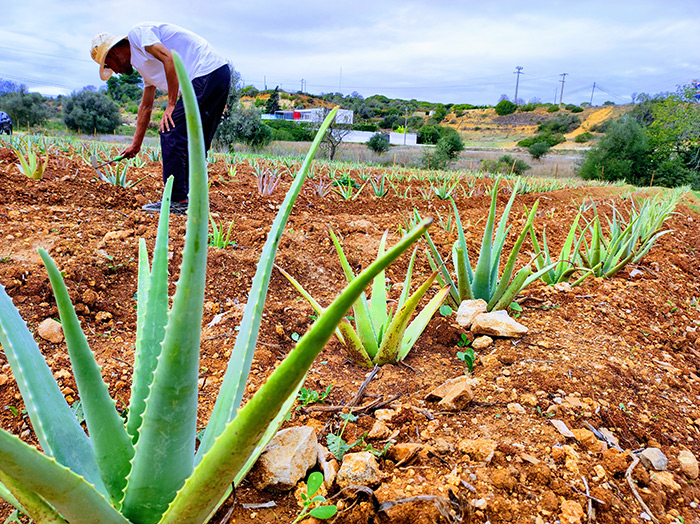
Between Alcantarilha and Porches, on a five-hectare plot of land parallel to the EN125 road, there are 12,000 Aloe vera plants growing organically and naturally.
The Algarve’s climate, with over 300 days of sunshine, provides the ideal conditions for the production of this Mediterranean species which, despite being native to Northwest Africa, has long grown spontaneously in the south of Portugal. Indeed, it was the Algarve landscape which motivated two Indian couples living in Germany to choose the region as the location for their Aloe vera cosmetics business.
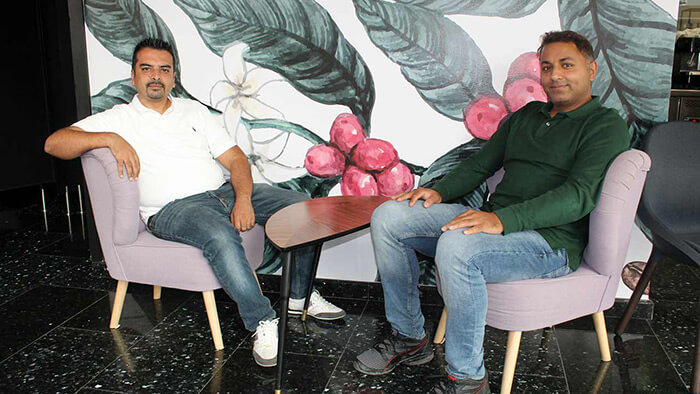
“With the outbreak of the Covid-19 pandemic, we decided to leave Germany. We explored some options and, as we were on holiday here, we decided to move to the Algarve,” said Aloegarve director Atul Dua. “I remember seeing Aloe vera plantations in Aruba and several local companies using the plant. I thought I could make a difference in the Algarve. It started out as a simple idea, but when I researched it, I saw that there wasn’t anyone producing Aloe vera on a large scale,” he explained.
It was later in 2020 when he discovered that his friend Sumit Anand, whom he had known for many years in Germany, had also moved to the Algarve with his family. “We got in touch and agreed that we had monotonous jobs linked to IT. So, we created the company and bought the land. As we had zero experience in agriculture, we learned how to produce organically, sustainably and healthily,” he said.
The concept was developed in 2021 and the first Aloe vera plants grew very well. The decision to use the plants to create cosmetics came after studying the market and investigating their potential. “We understood that it is a plant with countless medical benefits and has been used widely forever. We started working with companies that specialise in this area and developed our own range,” Atul Dua said.
Thus, Aloegarve was born at the start of 2022, with its first store opening in Olhos de Água, Albufeira.
The second store opened in June, and two months later the brand already had eight stores in the Algarve: Alcantarilha, Armação de Pêra, Carvoeiro, Portimão, Olhos de Água, Quarteira, Silves and Vilamoura. Next year, the company is planning to open a store at MAR Shopping Algarve in Loulé.
“This whole process was very quick and, in a way, we benefitted from the consequences of the pandemic because several stores closed, and we were able to find several vacant spaces in excellent locations, some very close to the beach,” said Dua, such as in Armação de Pêra and Olhos de Água.
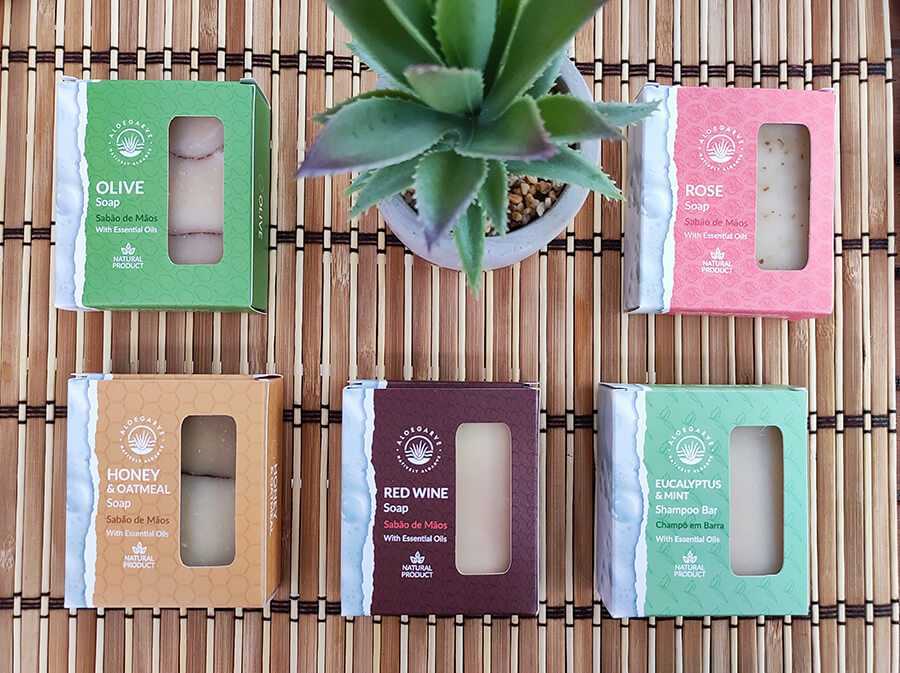
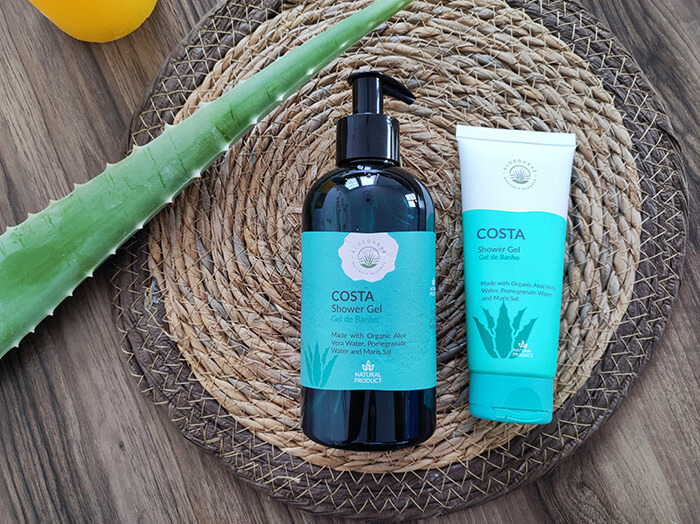
Aloegarve’s range of products includes creams, masks, lotions, shower gels and even sun lotions, all vegan and produced organically without any chemicals or testing on animals. Another “extremely important” principle for the company is that Aloegarve is a “100% Portuguese brand”.
“This has always been our motto. We didn’t know if it was possible, but we did it. Our consulting company is Portuguese, the cosmetics specialists who help us develop the formulas are Portuguese, as are our suppliers and the whole chain of production. We only worked with Algarvian real estate agencies and even the furniture at our stores is produced in Portugal,” Dua said.
The goal for 2023 is to bring the total number of stores in the Algarve to 15, and whilst the company will look to expand to other parts of Portugal, the owners guarantee that the brand will never lose its “Algarve essence”. There is also the possibility of expanding beyond Portugal.
“I was recently in Dubai and took some samples with me. There are companies interested in selling our range of products. It is incredible because we are a very new company but are already in talks. Besides, we have been contacted by other brands that want to work with us, mostly hotels which want to use our products in a smaller format, but that is something we do not have yet.”
When asked whether Aloegarve can become an internationally known brand, Atul Dua says that is a possibility that is very far down the road but not impossible. “It would be great for everyone, but we will not force things,” he said. “If opportunities arise, we will seize them. Luckily, the Algarve welcomes people from all over the world and we do not have to go abroad to be seen. Those who visit us will talk about our brand if they like it. In that sense, I think we will be successful.”
Algarve-inspired names
Even the names of the products are inspired by the Algarve. The most sold items in summer are the ‘Sotavento’ and ‘Barlavento’ sunscreens (the Portuguese names for Eastern Algarve and Western Algarve, respectively), which can be used by children and adults and protect the skin whilst hydrating it. The sun lotions use ingredients such as olive oil, rose oil and evening primrose oil. “We knew it was fundamental to create an alternative product. Most sunscreens on the market are made with chemicals. Ours are made from 98% natural elements,” he said.
Prices are “below average”, according to Atul Dua. “We decided we would always have discounts and benefits. For example, a small ‘Mergulho’ (a hand and face gel) costs €11.99, but a pack of three of the same size costs €20, including the gift wrapping.”
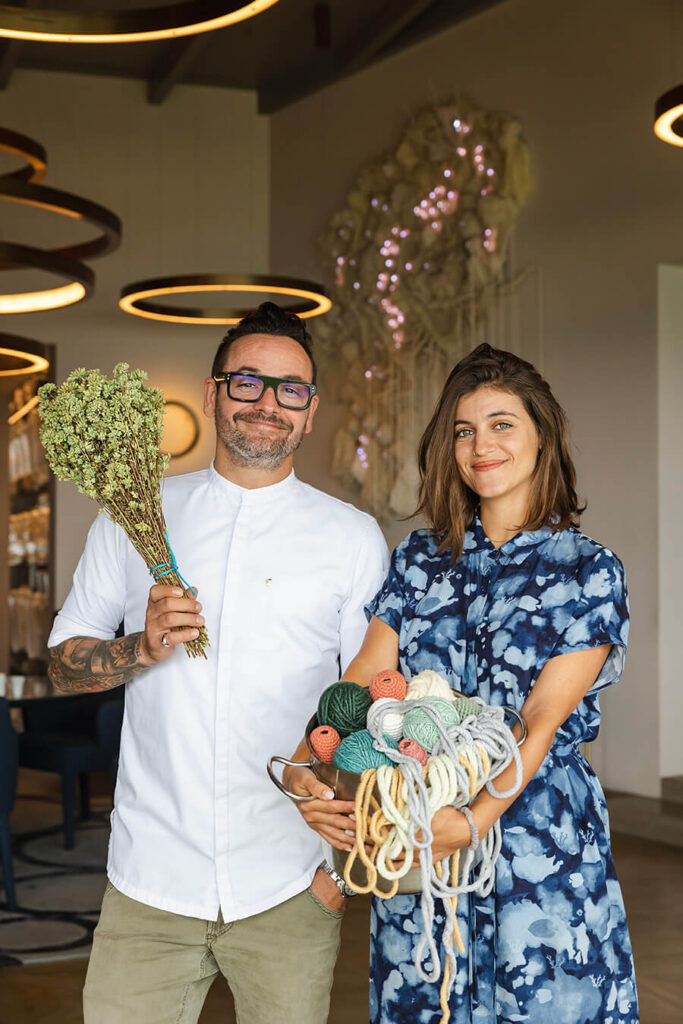
The artwork illustrates the deep connectionwith the ocean that both the artist and chef Hans Neuner share. This collaboration celebrates Vila Vita’s mission to showcase local talent in the resort and also aims to raise awareness of the fragility of the world’s ecosystems nowadays.
A muted mix of natural white tones, creams and neutral colours with arboreal coral forming into loose, lifeless hanging threads, Vanessa Barragão’s Bleached Coral is a subtle piece made from unused and recycled yarn that complements the atmosphere and dining experience at the Michelin-starred restaurant marked by stunning ocean views.
Within the work, the artist has used an entirely new technique of implementing individual LED lights with reduced light, which, as she states, represent tiny eyes crying out for help, slowly dying as the zooxanthellae algae is expelled. This phenomenon is called “coral bleaching” and is caused by a rise in the temperature that drives the algae out. It is one of the direct effects of climate change on coral reefs.
This soft internal lighting system will also create its own environmental effect without the need for a light projected onto the piece and all the materials used within the piece are recycled, supporting the message of sustainability.
“When I was still in Porto, in one of the times I drove to the Algarve, we were invited by Vila Vita Parc to see the resort and I knew it was in the Ocean restaurant that I really wanted to have my work installed, because it makes sense to have my piece in a place that reflects and balances my artistic practice. This is a unique piece; a very special piece and I want it to be in a special place. I feel this piece is strong enough to enhance the whole dining experience in harmony with the interior of the restaurant,” adds the artist.
Currently living in Albufeira, Vanessa’s popularity is global with her labour-intensive and exquisite tapestries, rugs and wall hangings spread across several countries, with pieces ordered by Heathrow Airport, the Kew Royal Botanical Gardens or more recently purchased by the international popstar Rihanna. Her pieces are made using various textile techniques based on ancient practices, such as zip hooking, crochet, felt, weaving, embroidery and macramé, all conveying an environmental message.
One with nature: Earlier this year, the former D. Carlos Regis Hotel became the Pure Monchique Hotel
– September 9, 2022
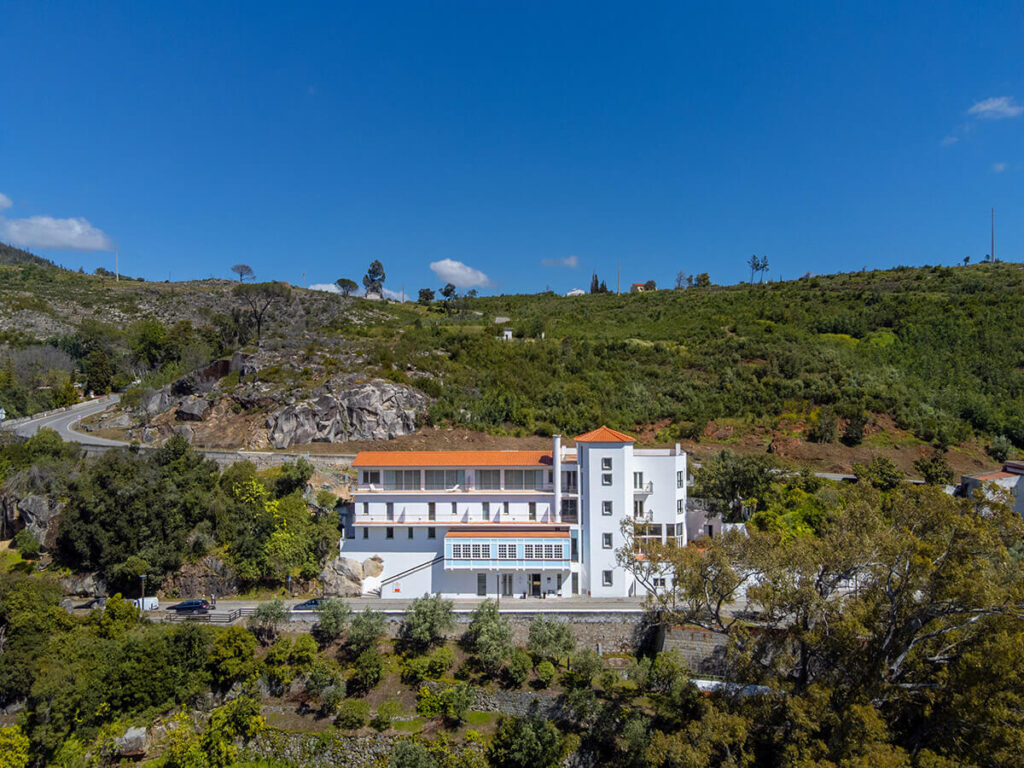
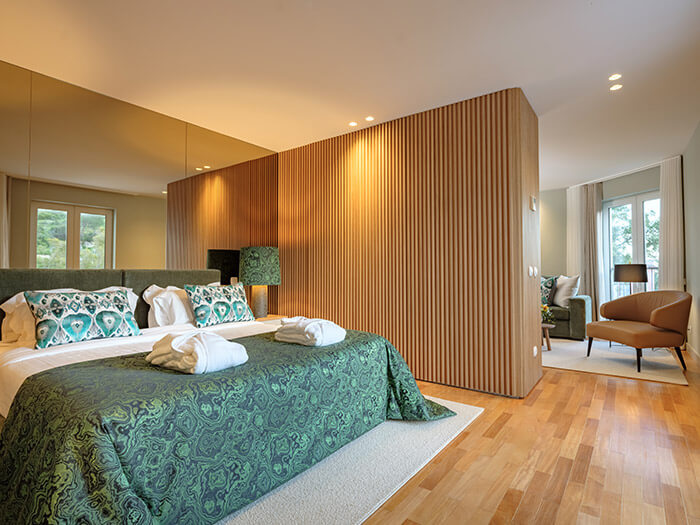
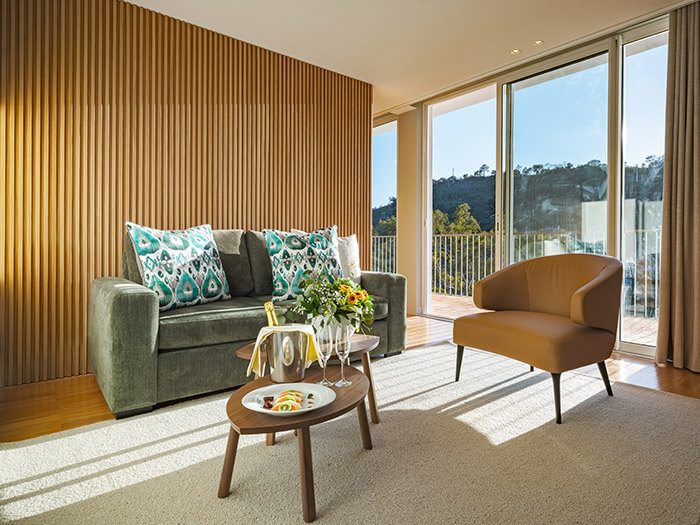
In April, a new four-star boutique hotel was inaugurated in Monchique, promising to create a “paradise between the mountains and the sea”, following the complete revamp of the former D. Carlos Regis Hotel. It boasts 22 rooms and suites and is managed by Unlock Boutique Hotels.
Pure Monchique Hotel is set within the small beauty spot of Caldas de Monchique and is one of the four hotels that are part of the Villa TermalCaldas de Monchique Spa Resort. The hotel has been recommended by the prestigious Condé Nast Johansens guide and has also obtained the coveted Biosphere Sustainable Tourism certification.
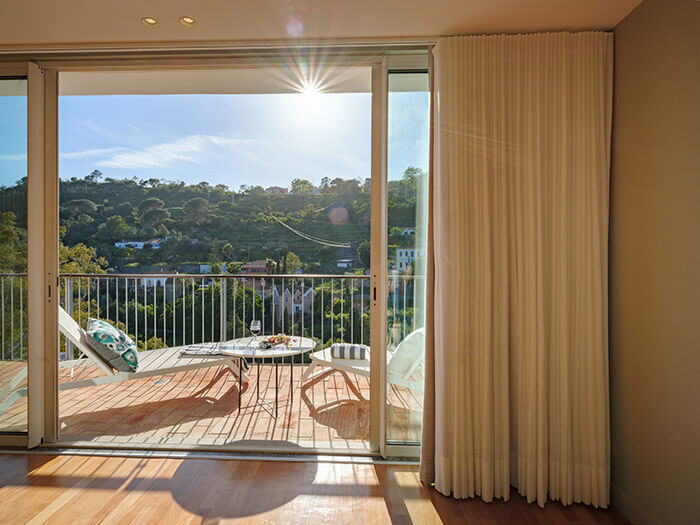
“It is a new way of discovering and living the Algarve in the mountains, enjoying the sunrise with the chirping of birds, mild evenings, warm summer nights or the comfort of winter near the hotel bar’s fireplace, always surrounded by green nature,” said the management. Miguel Velez, CEO of Unlock Boutique Hotels, says the group recognised the untapped potential of Monchique early on and that its investment has helped strengthen Monchique as a “high-level and unique destination”.
“It was always a goal of shareholders to renovate the Pure Monchique Hotel, because it is without a doubt an exclusive product and which deserves to offer a quality service,” said the CEO. “Being exclusive in the Algarve, we wanted our guests to feel the synergies (of the area), enjoy the surrounding natural beauty, the fantastic alkaline waters, as well as the comfort and service of excellence, which is what Pure Monchique offers.”
Velez also said the group will continue to invest in the “quality and exclusivity that characterises us and which makes this hotel a unique space that our guests will want to return to.” The hotel features the Pure Bar & Restaurant, which serves snacks and drinks as well as exclusive dishes from the ‘Unlocking Portuguese Flavours’ concept, and boasts panoramic views of the surrounding mountains.
Guests can also enjoy the facilities at the nearby Villa Termal, such as the ‘Spa Termal’ which uses Monchique’s famous 9.5pH water (described as “the most alkaline water in Portugal and one of the most alkaline in the world”), its outdoor pools and its bars and restaurant serving traditional food.
There is also a wealth of outdoor activities to enjoy, from hikes along the Monchique-Alto da Fóia trail, which connects Monchique to the region’s highest peak, to bike rides.
At the historical Quinta da Palmeirinha, producer João Mariano makes new vintages with some of the region’s oldest vines
– September 9, 2022
The Algarve may still be Portugal’s least-known winemaking region, but what many are not aware of is that its history goes back centuries. Its first vines were planted by the Phoenicians and the Greeks in the 8th century BC, and later Romans and Carthaginians developed this fruitful trade.
More recently, in the 1960s, the region’s wines were a vital part of the ration troops received during the Portuguese colonial war. “This was at the time when wine was produced in cooperatives. It was consumed as a food product, drunk by the working classes and sailors as a source of energy,” explains João Mariano, a local wine producer, storyteller and one of the guardians of the Algarve’s winemaking heritage.
He tells us the story of the Negra Mole variety and how it came to dominate the region. “Cooperatives used to pay according to the alcohol content of the grape variety; the higher the content, the higher the value. Soon producers planted the varieties with the highest alcohol content, such as Negra Mole”, which also produces significant quantities of large grape bunches that are very resistant to disease.
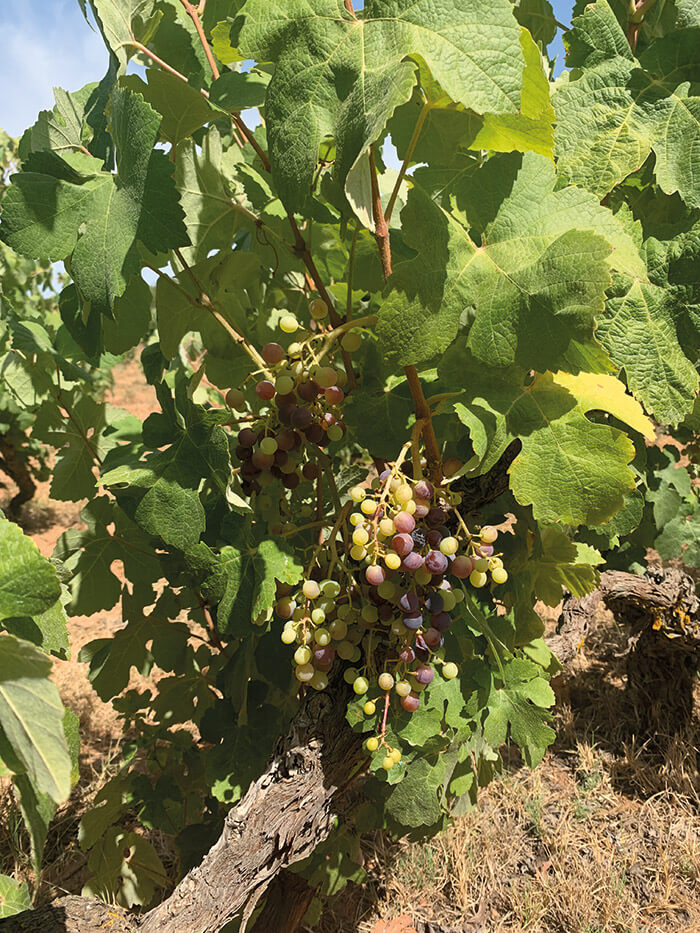
Discovered to be Portugal’s second oldest grape variety, it is different from other reds because it does not have uniformly coloured berries or dark skin. Today the variety is used to make red wines when blended with small amounts of a teinturière variety, such as Alicante Bouschet, Touriga Nacional or Petit Verdot. “But in the Algarve, locals liked lighter reds; it was the tradition,” insists João.
Sadly, with the arrival of tourism, many vineyards were ripped up for their sandy soils to be sold for construction, leaving the region destitute of its viticultural heritage. But some old vines remain and are now being resuscitatedby producers like João Mariano to recreate the Algarve’s unique brand.
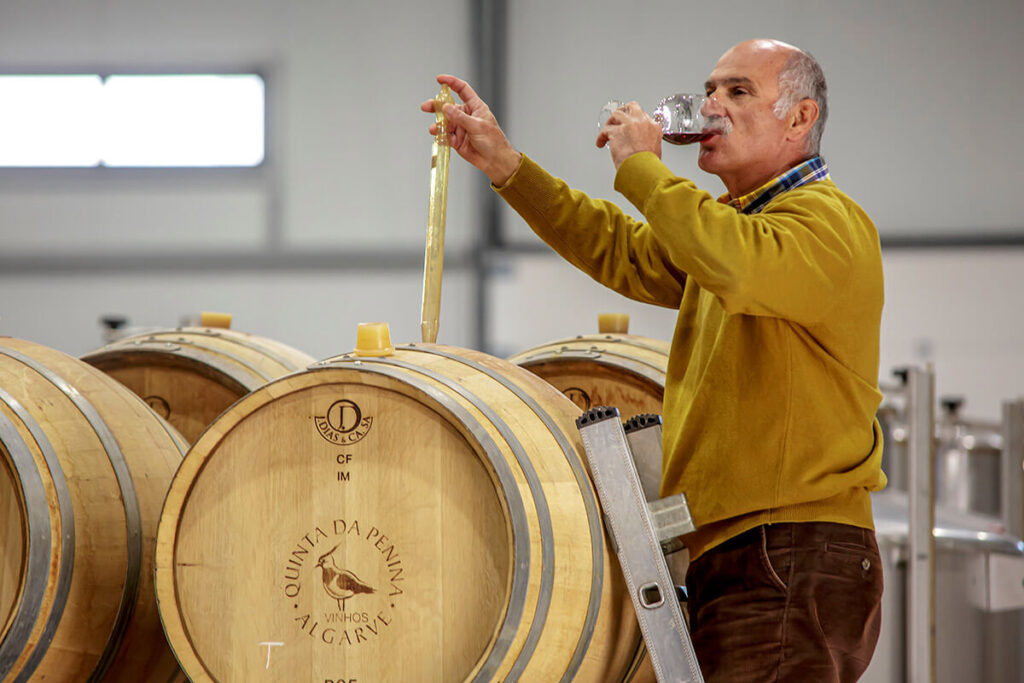
This local producer is passionate about viticulture and the region’s history. An agronomist by trade, he planted his first 10 hectares of vines in 2000 in the Portimão area. This is where he created the Quinta da Penina brand, followed by two more hectares of vines at Quinta dos Cabeços, in Lagoa. His goal was to obtain grapes from two distinct terroirs to produce wines with equally distinct qualities. His brands include Quinta da Penina, Foral de Portimão and Mare Nostrum, a brand he created for local restaurants.
In 2012, he started exploiting a vineyard that would turn him into the guardian of some of the region’s most historical vines. Planted in 1942, these are Negra Mole old vines. “They are still full of vigour. They produce beautiful bunches of multicoloured grapes and are believed to be some of the Algarve’s oldest Negra Mole vines still in economic production,” he points out.
Quinta da Palmeirinha
These old vines are part of a large historical wine-producing estate on the border between Lagoa and Silves: the Quinta da Palmeirinha. “It is located in an area called Lobito, where vineyards are reported to have existed since the Phoenicians and Carthaginians landed on the Algarve coast.”
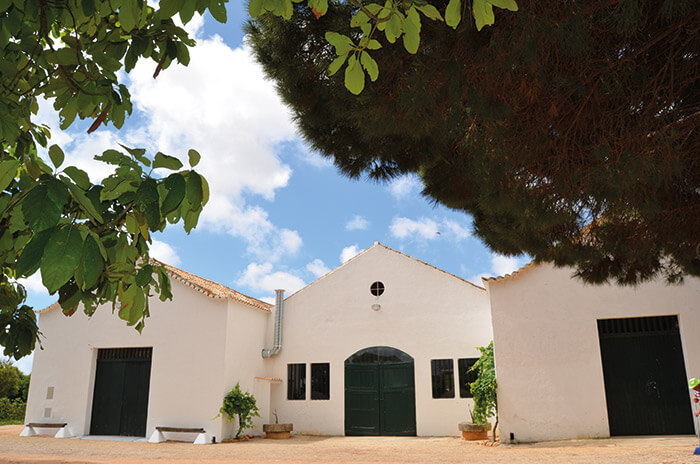
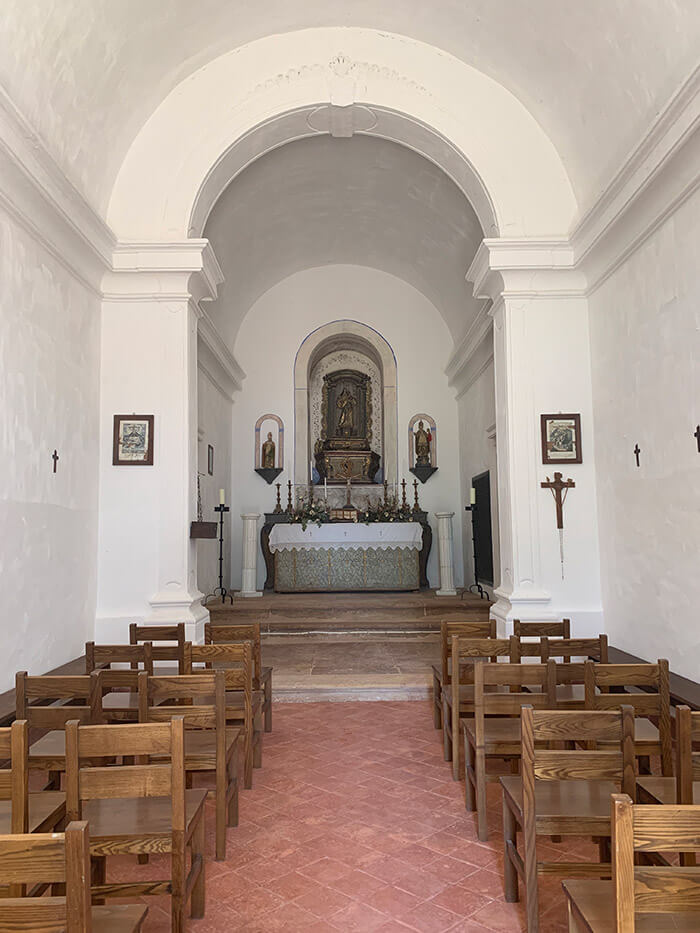
The vines were planted around a beautiful 18th-century Manor House, which was once a hermitage, and from where pilgrimages to give thanks for the good harvests once started. The estate has belonged to current owner Alexandra Pacheco’s family for several generations. Two generations back, Joaquim Valadares Pacheco, who was the Mayor of Portimão (1946-1950), boosted wine production in the region. Not only was this notable man a producer of award-winning wines (his famous Negra Mole vines won him an award for the best regional wine during World War II), but he also played an essential part in the creation of Lagoa’s cooperative winery.
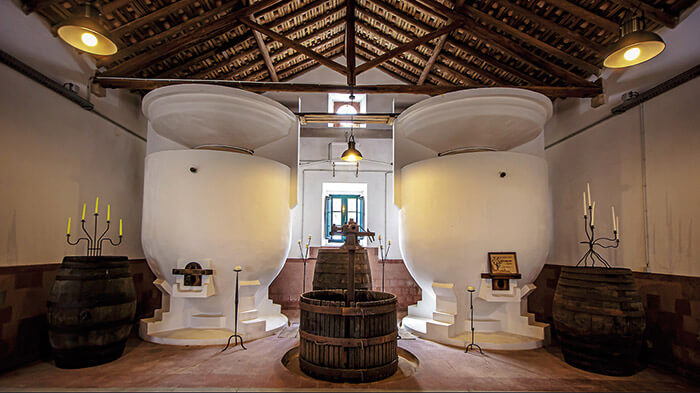
João explains that a group of farmers from the region got together to create the cooperative winery in Lagoa. “They applied for funds through the national wine board, which supported the construction of cooperatives throughout the country. Whilst they waited for the funds to build the new winery to arrive, they produced the first wines of the future cooperative at Palmeirinha.” Some of these were vinified in the farm’s biggest treasures: two imposing Algerian-style amphorae that still stand in the estate’s winery.
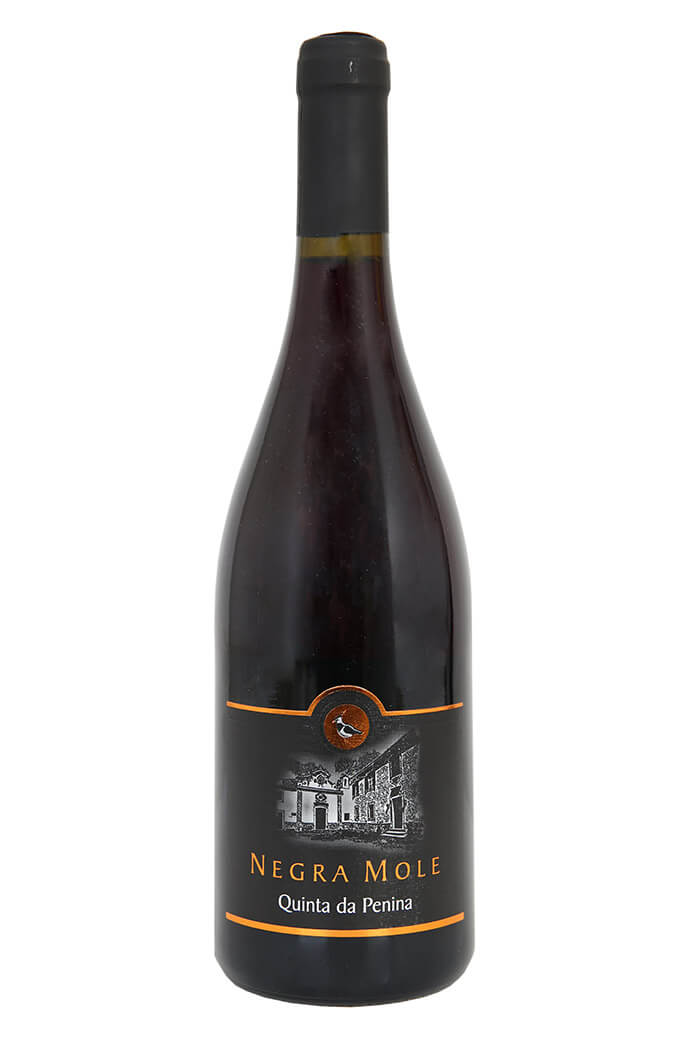
Negra Mole tinto 2019
Today, the 8.7-hectare vineyard is made up of red Portuguese varieties: Negra Mole, Castelão, Aragonez, Touriga Nacional and Alicante Bouschet; and the white Crato Branco – the Algarve’s emblematic white variety. “Here, you can see the resistance of the plant,” says João as he walks between the rows of 80-year-old Negra Mole vines. Most of the existing vines were uprooted and replaced by carob trees. Luckily, the Negra Mole vines remained. “The owners didn’t want agriculture here because it paid poorly, but they also didn’t want to let the farm’s winemaking tradition disappear.”
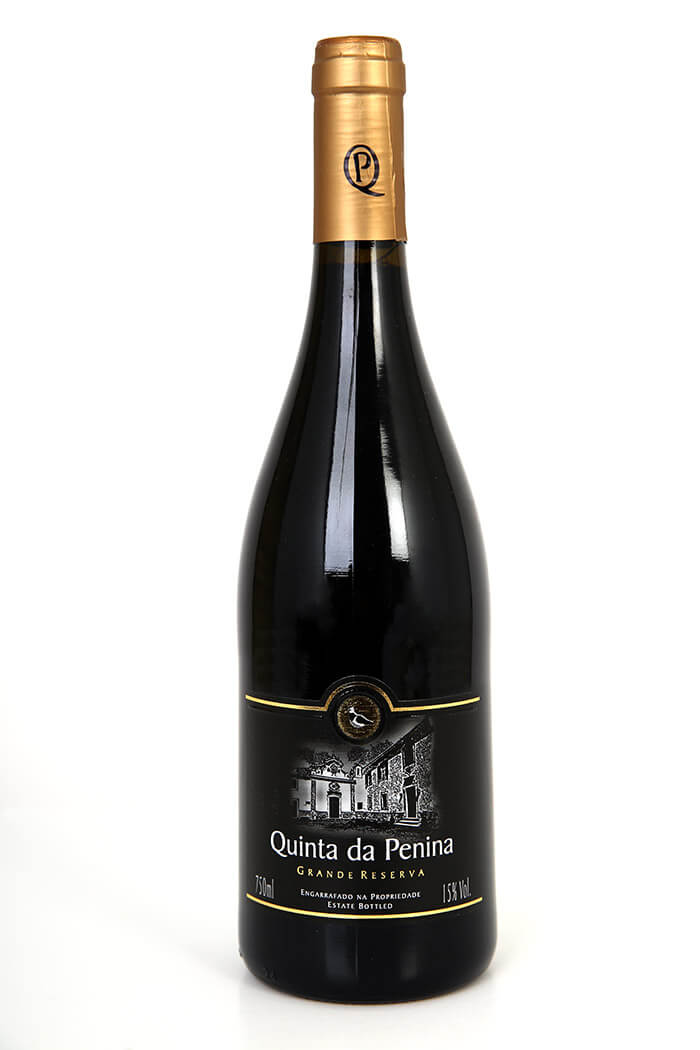
Quinta Penina Grande Reserva, tinto
The charming Manor House has been refurbished for tourism and events. The property offers two guesthouses, with rooms for four and six people, which can be rented separately or as one holiday property with two pools. The old winery was cleaned out and updated for events, but precious winemaking instruments, such as hand presses and the two magnificent amphorae, remain as part of the decoration. “I hope one day they will turn this space into a small museum,” admits João Mariano. “They still have ancient and unique viticultural instruments that can no longer be found.”
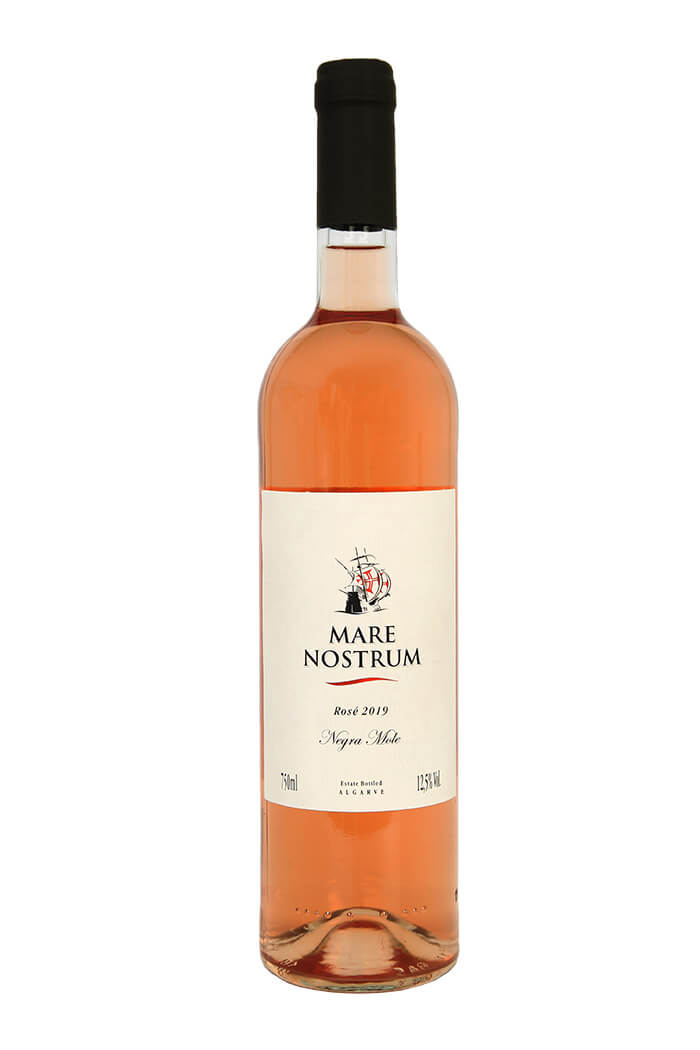
Mare Nostrum Rosé
João makes several wines with Quinta da Palmeirinha’s old Negra Mole vines, starting with the alluring salmon-coloured Foral de Portimão rosé (€6.50). “It’s the grape variety’s natural colour when pressed,” he states. Then there is the Quinta da Penina 2019 (€10), a Negra Mole to which he adds just 10% of Castelão to give it a ruby-red colour. With aromas of fresh black fruits, notes of pepper and orange blossom, it is fresh and fruity in the mouth, with smooth, velvety tannins.
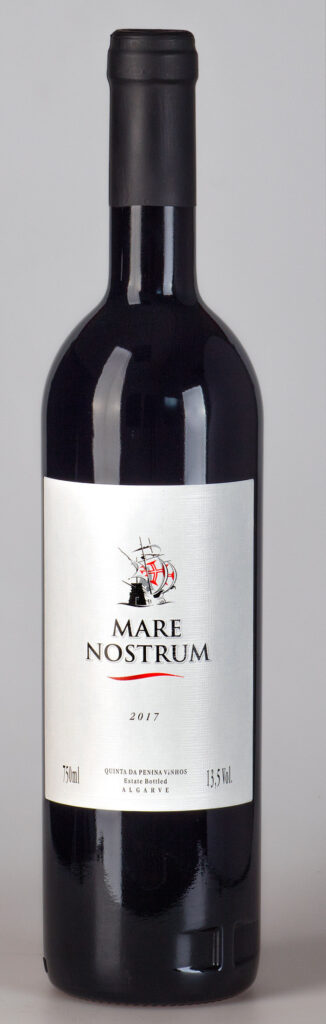
Red Mare Nostrum
The Quinta da Penina Tradição (€6.50), a blend of equal parts of Negra Mole and Castelão, with ripe red fruits and vanilla aromas, is a full-bodied red, smooth in the mouth, with an elegant finish. As for white, the Quinta da Penina DOP (€5), made from 100% Crato Branco, has fruity notes of pear and pineapple. In the mouth, it is balanced and fresh, with good volume and a long and persistent finish.
João is also known for making top-class, single-varietal Petit Verdot wines. His Quinta da Penina Grande Reserva 2016 (€10), made with grapes produced in Portimão, won a gold medal at the International Berlin wine competition in 2020.