Category: Must Read

  • Art with history

    Art with history

    Porches Pottery celebrates 50th anniversary.

    There is a long tradition of pottery in the Algarve. The Phoenicians, the Romans and the Moors, all of whom occupied the region at one point, were masters of the earthenware. There are ceramics shops all over southern Portugal, but the small village of Porches is considered the Algarve’s pottery centre. It’s precisely here that you can find one of the most renowned potteries in the region, which is featured in every tourist guide: Olaria Algarve, better known as Porches Pottery.
    But the village wasn’t always the ‘capital’ of this ancient art. Even though master potters went to Porches to find the clay they required, their factories were in Lagoa. The first pottery shop in Porches was only founded in 1968, by Irishman Patrick Swift, who, as the president of the local parish council says, “put Porches on the map”.
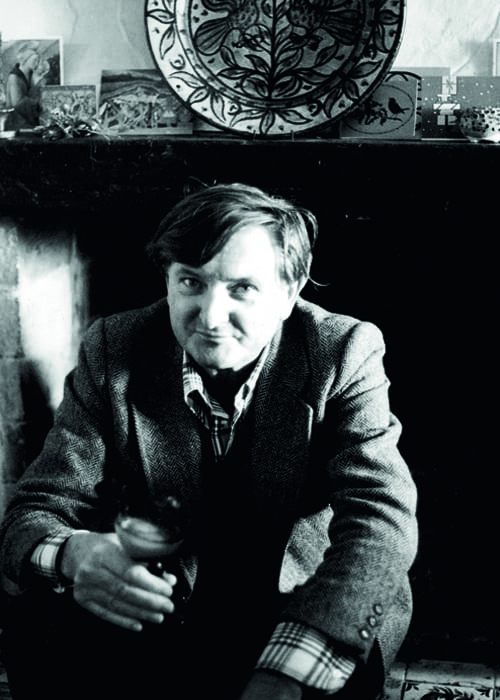

    Patrick Swift

    Swift discovered the region in the 1960s and fell in love with it, moving here with his wife and two daughters. At the time, the art of pottery was in decline. Intricate earthenware was being replaced by plastic and metal jars, which were mass-produced and cheap. Swift decided he wanted to save this traditional art and, coincidentally, met artist Lima de Freitas, who shared his passions for regional pottery. Together they researched the peoples who had inhabited the area in ancient times and had left their mark in pottery; they visited ceramics museums in Portugal and abroad, including the Victoria and Albert Museum, in London, which houses the largest collection of decorative arts and design in the world. The pair eventually opted to use the majolica technique, an ancient practice which is believed to have originated in Persia and was introduced in Europe by the Moors. It consists of coating the clay pieces in a tin-based glaze, after the first baking, which covers them in an opaque, white base onto which the decoration is applied after another glaze and second baking. This way, the colours and glaze melt together and form a shiny coat, which is also waterproof and resistant. The motifs created by Swift and Freitas were also inspired in ancient civilisations: the long-tailed bird features in Phoenician mythology; the hound dog and the hare were popular with the Moors; the tree of life, flanked by two birds with open wings, hails from Iberia; and fish were a recurring motif used during the Roman occupation. Both the majolica technique and these themes are still today used at Olaria Algarve, and the regional flora also serves as inspiration in many plates, platters, bowls, serving bowls and countless other pieces produced by the renowned shop.
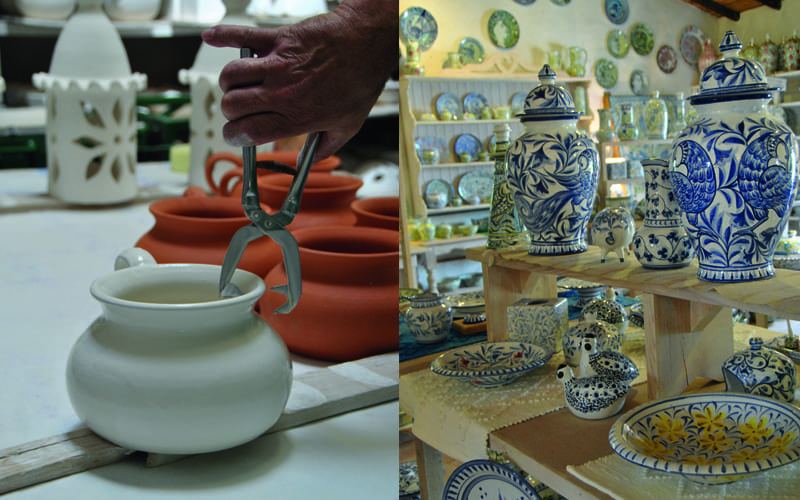
    Each piece is decorated by hand – a practice that Swift’s daughters, Stella and Juliet, were committed to preserving when they took over their father’s work after his passing, in the early 1980s. Swift started them off in the family business as teenagers, and they went on to study Art and Art History. Today, they are in charge of not only the management of the company but also its artistic direction. The sisters develop new motifs and create their own pieces, mainly panels and azulejos (hand-painted tiles). Around two years ago, Brian Fortune, Juliet’s son, also joined the team.
    For Juliet and Stella, “it’s an honour to continue [their] father’s work”. And the number of clients that come through the shop’s doors, looking around in wonder at the works in display and whispering as if they were in a museum, proves they have done just that. Hand-painted ceramics lovers also have the chance to observe as the pair brings motifs to life with light but assertive brushes.
    The ‘Marias’ have also been a part of the Porches Pottery team for many years: Maria Rosa has been there for 42 years; Maria do Carmo and Maria Manuela for 36; Maria Eulália for 28; and Maria José for 27. Two to three times a week, guests can also find in the shop artisan Ana Boto, who has been working there since its creation.
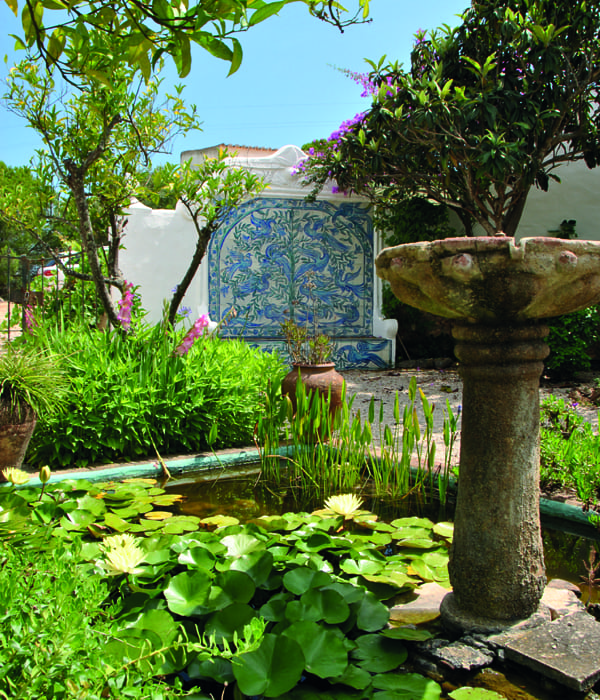
    The shop’s building, which Patrick Swift had built in the style of a traditional Algarve home, is a piece of art in and of itself, decorated with stunning embossments and walls covered in traditional hand-painted tiles. Adjoining the shop, the family added a small café, Bar Bacchus. The intimate space, with a cosy log fire lit during winter, is named for the Roman god of wine, whose story is depicted across the tiles designed by Swift, which cover the walls.
    To celebrate the Pottery’s 50th anniversary, the family is publishing a book on the history of Olaria Algarve, in September. Paul Bond pens the work but Brian, Swift’s grandson, handled the research. According to him, Paul, who lives in Bath, England, is “a historian and writer with an interest in the history of art and design and a keen collector of Porches Pottery”, which made for the ideal partnership.
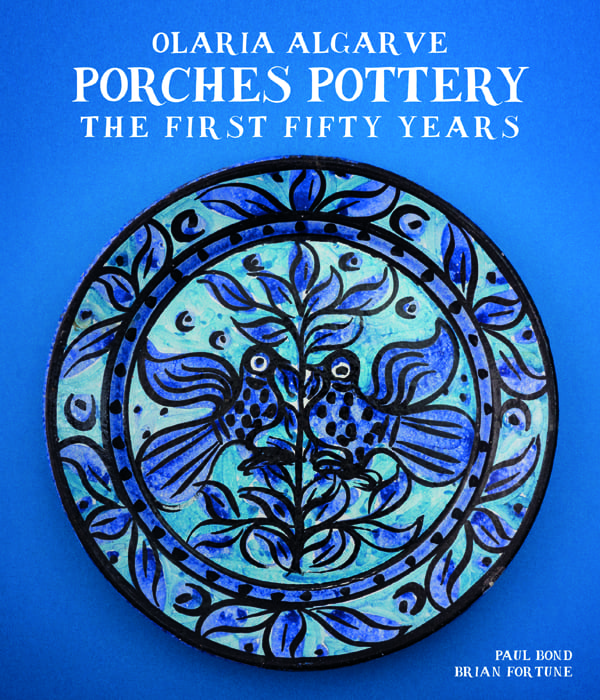
    “The book features a thoroughly researched and detailed biography of the pottery from its inception to the present day, supported by interviews with all the present painters and many past staff members, collectors, and friends of the pottery,” Brian explains. “It’s illustrated throughout with archival photography, and an extensive collection of remarkable pots and tiles from the last 50 years, that includes numerous previously unseen pieces from private collections. Furthermore, it also includes sections which cover the Porches Pottery style, an in-depth discussion of the azulejos that have been produced at the pottery, as well as information for collectors.” According to Swift’s grandson, the book is “an essential resource for anyone interested, not only in Porches Pottery, but in the contemporary history of Portuguese ceramic art and tiles”.
    There is also an exhibition in the works at Convento de S. José in Lagoa, which will feature ceramic pieces and paintings by Patrick Swift, who studied at the National College of Art in Dublin and was a renowned figure in the artistic world during the 1950s in England and Ireland.

    Text & photos: Anabela Gaspar
  • Summer vibes

    Summer vibes

    Your must-have guide to live music, DJ parties and festivals during July and August

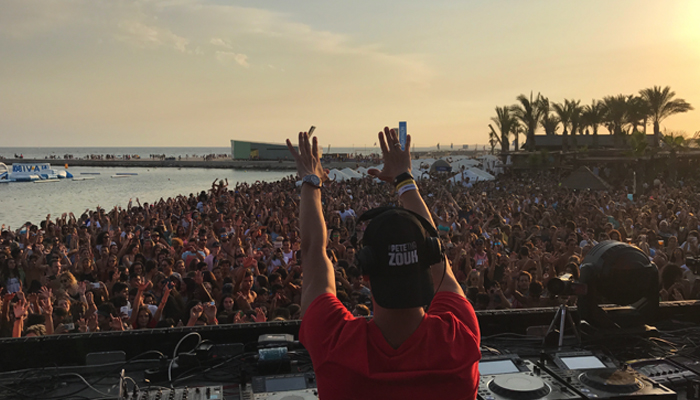
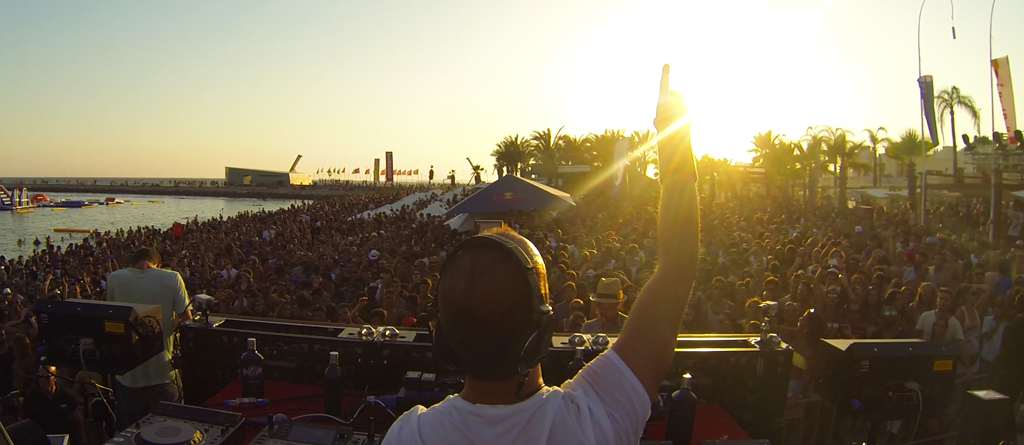
    We love to party in Portugal, and although Carvoeiro might look like a sleepy seaside resort during the day, you’ll be spoiled for choice for things to do when the sun goes down.
    There’s live music every night on the main square in front of the beach with the Arte Viva Duo on Mondays and DJ João Sousa on Tuesdays; Ricardo Sousa is on rotation with a new, not yet confirmed artist on Wednesdays; DJ Mike or Alexandre Ramos on Thursdays; Jorge Rodrigues on Fridays; DJ Alexandre Ramos or Mike on Saturday nights and Ricardo Sousa on Sundays. These performances are sponsored by the restaurants on the main square and will take place for most of the summer period with a brief break between August 11t and 15, when the Sons do Atlântico World Music Festival will take place with a spectacular fireworks show on the 15th to mark the end of the festival.
    During Summer, Tivoli Carvoeiro’s Sky Bar will host a fantastic programme of weekly themed parties and Sunsets, with live music performances and exclusive signature cocktails.
    Kicking off the festivities, July 20 welcomes the ‘70s, ‘80s & ‘90s Weekend, while the 27th and 28th will be a Fado & Chill Out Weekend; August 1 and 2 will see the New York House Weekend while The Best of Brazil Weekend will take place on August 10 and 11. The next weekend (17 & 18) hosts the Classic Ibiza Lounge Weekend, followed by the London Funk Time Weekend on 24 and 25, while the weekend of August 31 and September 1 will see the Paris Chic Weekend.
    Many bars host live music evenings, with Brady’s Irish Bar playing live music six days a week (Tuesday to Sunday) and the Round-Up Saloon alternating between live music and karaoke on a nightly basis. Relative newcomers Kula Bar have the South Kick Acoustic duo every Tuesday night. Manoel’s Jazz Club Carvoeiro, in Monte Carvoeiro, has live music with Tuniko Goulart every Thursday from 10pm. The Jailhouse has live music every night and an open mic session in the beer garden on Sundays from 4pm, while the five-star Monte Santo Resort has DJ Sunset sessions on Fridays with Kevin Sky. Restaurant Taste has a live singer every Thursday night and Pimenta Preta has ambient music every Wednesday with Carlos Pontes.


    Sons do Atlântico (Photo by CMLagoa)

    Slightly further afield you’ll find the very popular beach bar and live music venue, Club Nau on Praia Grande beach in Ferragudo. The Magic Sundays are host to a variety of cover bands who perform to a packed house every Sunday, all year, however, in the summer it’s a non-stop party venue with live music every night from the middle of July when their fabulous summer festival takes place. On the July 15, the free festival opens with Ben and the Pirates, 5EX Band and DJ Alex, followed by The Presidents, Os Compotas and The Flashback Brothers on the 16th and closing with Daddy Jack, Le Plante Mutante and Zé Black. Check their Facebook page for full listings as they have music on practically every night in July and August. The artists are on rotation and include DJ Just, Mad Cats, Martin the Flying Dutchman, Jig Saw Gig, The Links, Stereo Jumble, Nicole Silver Band and BB Kween.
    Rei das Praias will be hosting regular sunset/DJ parties throughout the summer on Fridays from 8pm until late, with special themed nights like Rose Caneiros Sunset, dress code pink, on July 13, a vintage Hendricks party on August 3, White Party on the 10th and the green, Mojito party on the 17th to mention a few.
    Just over the bridge into Portimão Marina, you’ll find NoSoloÁgua. It’s an absolute haven for club music lovers and beach festival fans. They have live music on in the pool bar and too many parties to mention in the beach bar. Check out their Facebook page to keep up to date with their jam-packed schedule.


    NoSoloÁgua

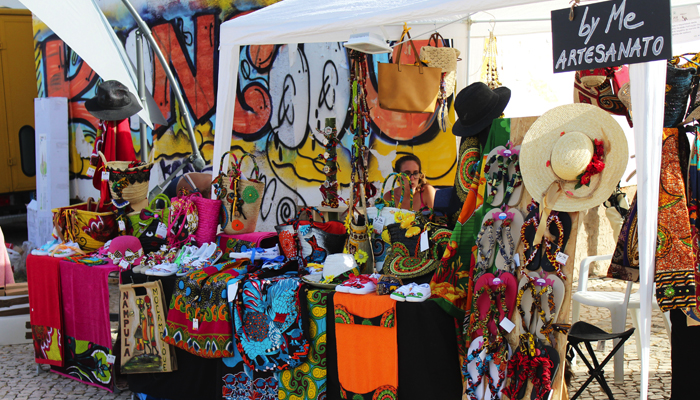
    The Lota Cool Market, in Portimão, takes place between the July 18 and 22. This is a five-day event packed with entertainment, art, design, gourmet and street food just at the entrance to Portimão’s riverbank, from the old bridge.


    Lota Cool Market (Photo by Município de Portimão)

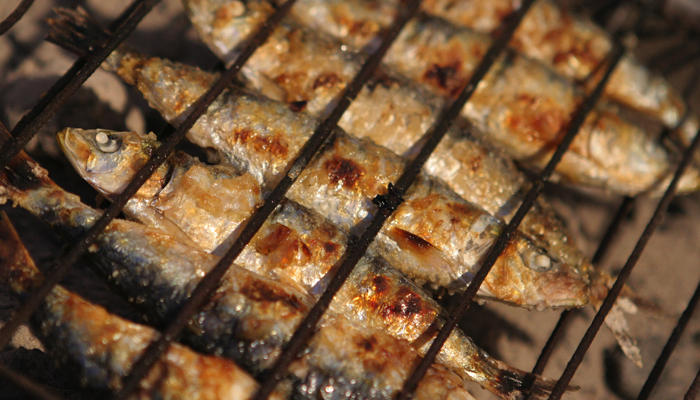
    The Portimão Sardine Festival from August 1-5 is the most famous sardine festival in the Algarve. The once vibrant fishing port used to make its living from these tasty and nutritious fish and celebrates them with a traditional festival of music and entertainment and lots of char-grilled sardines of course.


    Portimão Sardine Festival (Photo by Município de Portimão)

    Between August 17 and 18, visit the Summer Sound Portimão. This Electro-Music Festival at NosoloÁgua is a day and night event over two days featuring a selection of international DJs, in collaboration with MTV Summer Sessions.
    There are also plenty of events for the little ones. Kids of all ages love a pirate, and there are two chances to get into costume and interact with some pirates in the seaside resorts of Senhora da Rocha, between July 20 and 24, and in Alvor between August 24 and 28. Bring your eyepatch along and practice your ‘Ahoy, matey’ call during Pirate Week.
    And last, but certainly not least, the Silves Medieval Fair, which usually takes place in mid-August. Probably the biggest and most popular summer festival in the region, this event should definitely be on your list of things to do in the Algarve. The old Moorish capital of the region turns off its lights, hits the switch on all things neon, dresses in medieval garb and celebrates the town’s rich history in a lively and fun fair.
    The choice of venues and acts is getting better and better every year, and with a variety ranging from acoustic guitar to full-on electronic music beach festivals, the Algarve is the place to be this summer!

    Text: Mia Wallace

  • A family affair

    A family affair

    Inside visits the beautiful Quinta Dos Santos

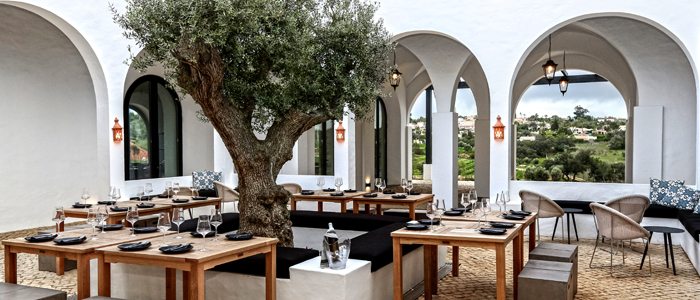
    Originally from Cape Town, the dos Santos family spent many summer holidays in the Algarve. Three years ago, they began putting into action their plan of living in Portugal, on a farm surrounded by a vineyard, and are now the proud owners of their stunning creation – Quinta Dos Santos, in Sesmarias,
    Carvoeiro. The family consists of mother and father Ann and Eugene, two sons, Kyle and Greg, and Kyle’s wife Elayna. Every member of the family is vitally important to the smooth running of their farm, which currently boasts a craft beer brewery, vineyard, tapas bar, art & interiors gallery and accommodation. Eugene’s father was born in Lisbon, and the family feel a strong connection with Portugal.
    The property is understated and beautifully designed, without feeling ‘designed’. It looks as if it has been there forever, which is quite an achievement. Ann is a keen designer and a firm believer in good and bad energies. Having used the feng shui principles in all of her design projects, she consulted with a professional, classical feng shui consultant from Lisbon – Sofia Lobo Cera, who assisted her with the project from the very beginning. As a family-owned business serving the community, it was essential to Ann that the work environment be a harmonious, creative, positive and a profitable space.

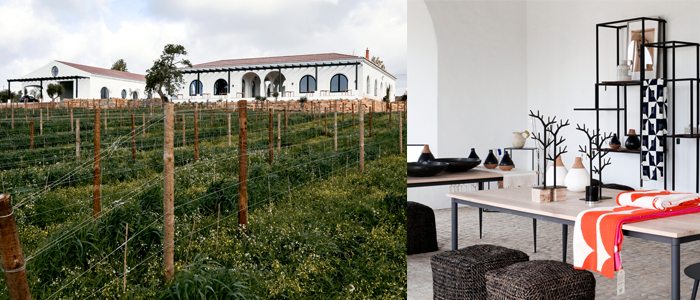
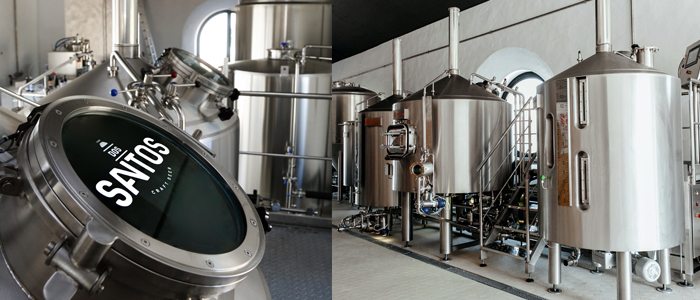
    As you enter the gated driveway, you are immediately struck by a feeling of peace and tranquillity, with the vast yet unobtrusive whitewashed buildings making a perfect border for the growing vines in the vineyard. It is immaculate but feels lived-in at the same time, and the attention to detail is excellent. Entering the main building, there is a welcoming courtyard that acts as the heart of the area, with the Craft Brewery that is encased in glass, enabling visitors to sit and watch head brewer Greg hard at work on his next batch of
    Dos Santos Craft Beer, while enjoying a refreshing beer or glass of wine under the sun. To the right, there is the A Esquina (the corner) tapas bar, which has a privileged corner setting, allowing guests to enjoy the lovely view out over the vineyard and garden. Across from A Esquina is the gallery space, O Espaço, where local artists will be invited to display and sell their works alongside an array of delicious, local gourmet and luxury items that will be for sale.
    The plot is eight hectares in total, with three hectares of vines and one of olive trees. The wines that will be produced, on site, will be from the Portuguese varietals: Tinto Negra Mole, Touriga Nacional and Sousão reds, along with Malvasia Fina, Arinto, Verdelho, Esgana Cão whites. With an expected 35,000 litres of wine from the fully matured crop, the boutique vineyard should be well stocked in no time. As newbies to the winemaking world, guidance from their Agricultural Engineer/Viticulturist, Aníbal Neto, and Oenologist Mário Andrade was crucial and they have entrusted them in all stages from the preparation and planting of the land and vineyards to the selection and creation of the wines themselves. Both Mário and Aníbal came highly recommended, and after tasting the initial results of the maiden production, the family was pleased with their selection.

    The wines from Quinta dos Santos will have two different labels: Escolhido and Tesouro. “As we only planted in May of last year and we do not yet have grapes available for production, a decision was made to establish the brand Escolhido, which means ‘chosen’ in Portuguese,” explained Elayna. “Wines from the local region of the Algarve which were not produced on our farm but that we have personally selected due to their high quality will fall under this label.”
    The family is also “producing wine in the Adega Cooperativa de Lagoa from selected grapes harvested from local vineyards under the Escolhido wine label. This will change once our winery is operational. Once we are able to harvest the grapes from our vineyard, we will produce the wine for Tesouro, which means ‘treasure’ in Portuguese”, she revealed. “Tesouro’s production will begin in approximately two years’ time.”
    The brewery takes pride of place, on the left side of the courtyard, and you can see the fabulous, shining Italian vats, hard at work producing the craft beer that proudly bears the family name – Dos Santos Craft Beer.
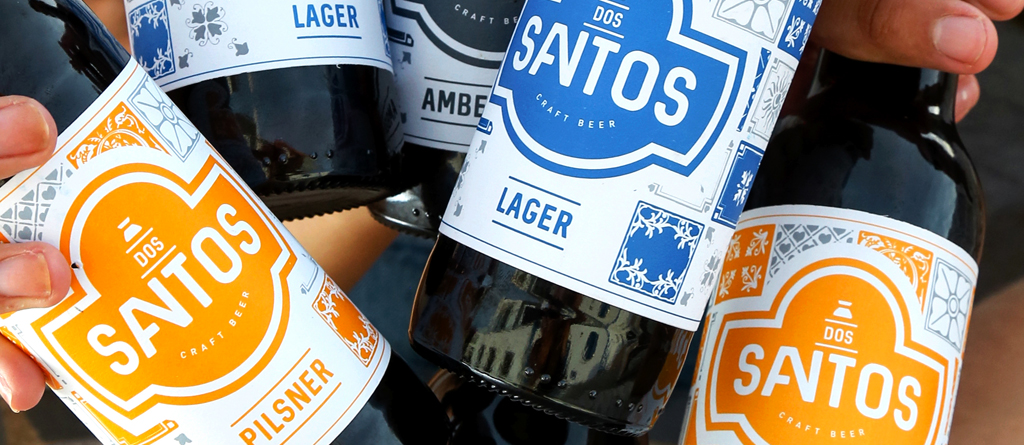
    As Greg’s interest in craft beer grew during his apprenticeship three years ago, it was decided that Craft Beer should play an important role in the business. “We will have three commercial beers available, which will be distributed to the market,” he told us. “These will be our Lager, Pilsner and Amber Ale. The same three beers will be on tap in our tapas bar and tasting room, as well as three additional rotating taps for experimental and seasonal beers.”
    To make these beers, Greg uses “the German method of production, with no additives or chemicals”. Using a combination of English, German, Czech and American hops, he can brew “up to 9,000 litres per month, depending on demand. Presently myself and my brother work in the brewery, however, in time and with growth, I will be adding people to my team.”

    Greg also explained what drew him to become a brewer: “I have always been a more hands-on type of person and not someone who can sit behind a desk from 9 to 5 and do the same thing every day. Living in Cape Town, there was a boom in the craft beer industry, and little craft breweries were opening up all over town. The creativity and science behind the beer were what interested me and how someone can produce such different and amazing flavours in a beer. And last, but not least, the satisfaction that it brings when you see people enjoying the beer you created.”
    As for his personal tastes, he says he has “never been one for outrageous beers. I have always enjoyed a clean and simple but different beer. So far the one beer I have tasted which impressed me most was from a brewery in Cape Town called Drifter Brewing Company. The beer was an Ocean Aged Tripel, meaning it was a Belgian-style beer with 10% alcohol which the brewer aged in 75cl bottles. These were placed on the bottom of the ocean floor off the coast of Cape Town for one year. I thought it was a cool thing to do and the flavour the beer offered was fantastic”. His favourite, however, is “the one which brings people together”.
    The tapas bar opened in February and has been a big hit so far with front of house manager José Cabrita – who previously worked at Vila Joya and Vila Vita – being an integral member in the preparation phase and taking care of the day to day management of A Esquina. Heading the kitchen, chef Miguel
    Lima is passionate and professional, dedicated to creating and re-interpreting traditional dishes in a contemporary way using seasonal ingredients. “I made a decision and accepted the challenge of being a part of a Portuguese-focused project at Quinta dos Santos, to be a team leader and create an amazing experience for all that visit A Esquina,” he says. “Our aim is for our food to represent Portugal in taste and choice, served as petiscos (tapas-style dishes, meant for sharing), to bring fresh, ‘farm to table’ style food to the Algarve to be tasted and enjoyed by our clients.” As for its designation, “it was given this name because it forms the corner of our main building leading from the interior courtyard and overlooking the vineyards”, Elayna explained. “Symbolically it is the cornerstone of our project as it serves to introduce our beer and our wine to the public, accompanied by simple and seasonal dishes. A Esquina is currently dedicated to serving only our beer and eventually our wine, olives and olive oil that we produce on our farm.”

    Then there is Casa Terra, a quaint three-bedroom, two-bathroom, self-catering cottage, with a pool overlooking the vineyards. Originally a ‘ruin’ discovered on the property, the casinha (little house) has been sensitively restored to maintain its traditional character. In phase two, the family will introduce some smaller accommodation, suitable for couples and an elegant dining area in the wine cellar.
    Quinta dos Santo expect to do both wine and brewery tour s and tastings starting in the summer and is closed on Mondays.

    www.quintadossantos.com
    www.dossantoscraftbeer.com

    Text: Mia Wallace
    Photos: Elayna Bartolacci

  • Magnificent mammals

    Magnificent mammals

    Exciting new sightings of whales off the Algarve coast

    Historically, whale sightings have not been widespread in the Algarve, and you would typically have to travel to the Azores or Madeira for the opportunity to see the spectacular mammals in Portuguese waters. That is why we were so excited when we received the sightings report from local Marine Biologist, tour operators Wildwatch, in Ferragudo, stating that not only did they have a fantastic result with a 98.4% success rate on their cetacean (dolphins, whales and porpoises) trips but they also spotted a record number of whales in the Algarvean waters. In 2017, Wildwatch reported 23 minke whale sightings, of one or two individuals, three fin whale sightings, all with two individuals, and one humpback whale.
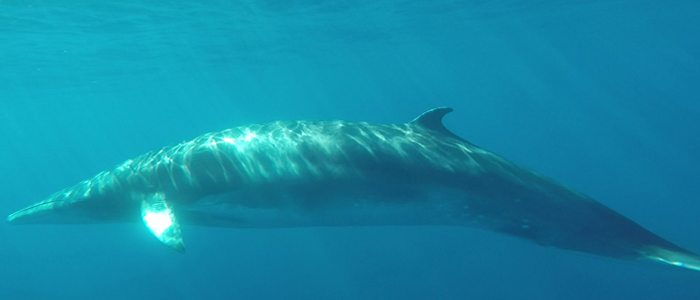
    With varying diets of microscopic plankton and krill to a significant diversity of fish species, this class of baleen whales does not have teeth but rather a row of filtering plates inside their mouths. They take in a mouthful of water and then push the tongue forward to force it all out through their baleen, catching any prey on the inside of the plates. “Minke whale is the more common whale that can be seen all year. They are resident in the area and up to 10 metres long, making this also the smallest whale spotted in the zone. They are occasionally moved by curiosity and approach the boats, offering excellent opportunities to admire them,” explained the founding partners of Wildwatch, Lucia and André. “When they show up, you can distinguish them by a white band on each pectoral.” They also have a small, low blow, as they start exhaling before they reach the surface, which makes spotting them more difficult.
    The fin whale is the second largest whale and second largest animal in the world, and Wildwatch have spotted them passing in migration. They can grow up to 25m long and weigh an enormous 120 tonnes. When spotting them, “we look for asymmetrical colouration on their lower jaw to distinguish them, the right side is white and the left is dark grey or black,” Lucia told us. Unlike the minke, this species’ blow is very tall and can be seen from far. On one occasion, Wildwatch encountered fin whales alongside bottlenose dolphins, which must be quite a treat to watch them swim together and to see how small a 4m dolphin looks beside this peaceful giant.


    Minke whale

    Orcas are the biggest dolphin on the planet and pass the Algarve coast at least twice a year, following tuna migration routes in and out of the Mediterranean. There was a rare and fairly unusual sighting of orcas and common dolphins that looked very curious with each other. “It is actually quite unusual to see different species together,” Lucia explained. “Moreover, orcas are known as a predator of other dolphins or whales, like the common dolphins, so you can imagine how our clients reacted once we realised what we were witnessing. Thankfully, it was a friendly meeting, as the population of orcas we can see passing by our waters have a refined taste for bluefin tuna.” These massive mammals are better known as killer whales, so called not because they harm humans but because some populations in the world feed on other types of cetacea.
    The company also spotted a group of pilot whales for the first time in 2017. Returning from a trip, André saw something in the distance on the surface of the water that looked like birds floating. When he went to investigate, he was surprised by a calm pod of around 30 pilot whales, including a female with a very young calf. It was a beautiful and moving experience for those lucky enough to be there.
    Pilot whales, who are also among the largest members of the dolphin family, have one of the longest birth intervals of all cetaceans, between 3 to 5 years. “We do not have enough data and experience to be certain of the species ID, between short-finned or long-finned pilot whales, so we hope to see them more frequently around here,” said André.
    From the selection of whales seen, last but certainly not least, a massive, solitary humpback whale was spotted around three nautical miles from the coast. This species can grow up to 17m and they have long, white pectoral fins, up to 5m in length. Famous for their complex and beautiful vocalisations, they are also known as the singing whales. They are also very acrobatic and are frequently seen breaching.


    Risso’s dolphin

    With sightings of dolphins becoming more and more talked about, we asked Lucia which species are these and why are they here: “Common bottlenose dolphins are often spotted from land and cause mixed emotions with spectators,” she said. “Many people think that the dolphins must be hungry to have come so close to the shore, but these are not offshore, oceanic bottlenose dolphins, they are in fact a coastal ecotype who is more than happy near land.” The only danger they pose to themselves is that their curious nature will get them tangled up in the busy boating lane. “Maybe due to this, the oceanic ecotype appears to be more interested in approaching our boat, and sometimes they spot us and join us before we spot them,” she explained.
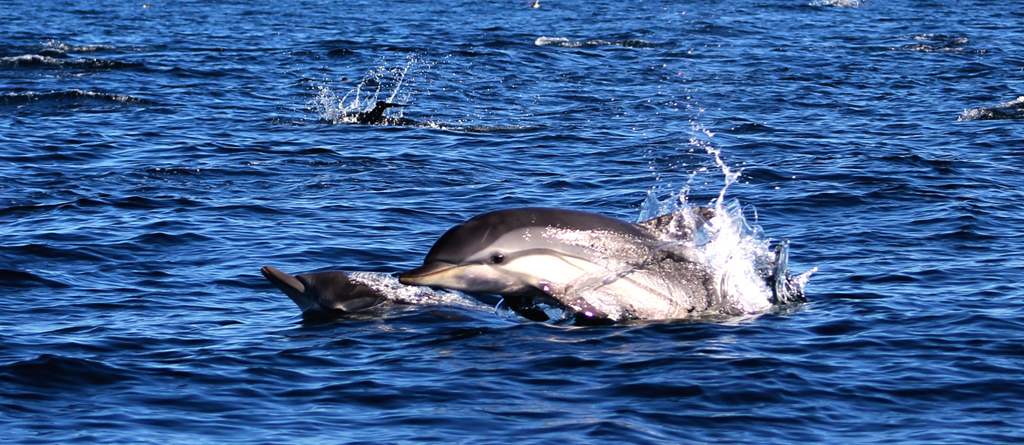
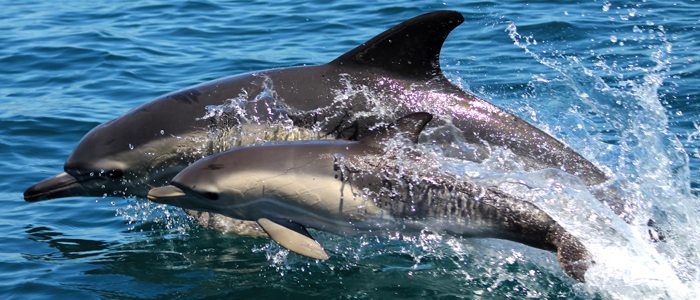
    The largest families in the toothed cetacean group are the dolphins. Mysterious creatures like the Risso’s dolphin, the acrobatic striped dolphin, and of course the two star species – common bottlenose dolphins, made famous by the movie Flipper, and the sociable short-beaked common dolphins – would be the obvious ones but what might surprise you is that orcas and pilot whales, which we could assume to be whales, are actually a part of this dolphin family.
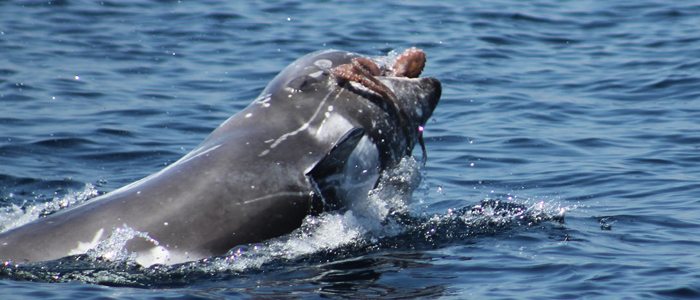
    Recently, there have been more sightings of the almost white-coloured Risso’s dolphins, slow swimmers feeding on octopus, cuttlefish and squid. Unfortunately, striped dolphins sightings were less frequent. In fact, Wildwatch expects to see this acrobatic, oceanic dolphin three, four, or five times a year, but last year they only saw them once.
    Having a team of Marine biologists in the company is one of the reasons Wildwatch stand out, and you can book a trip with them or find out more via www.wildwatch.pt


    Common dolphins

    Text: Mia Wallace
    Photos: Wildwatch

  • Cruising to Silves

    Cruising to Silves

    With the heated buzz of summer a distant memory and the beaches and roads back to their normal pace, the Algarve still has a lot to offer in the winter months. Ferragudo and Silves are at their prime in this time of year, with lower temperatures and the children back at school, it’s the perfect
    time to do a bit of sightseeing and relax from the hubbub of the high season.

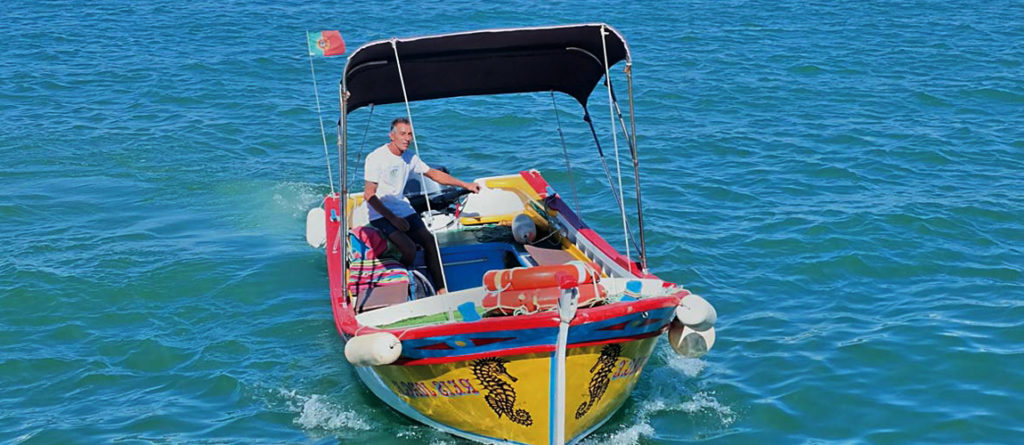
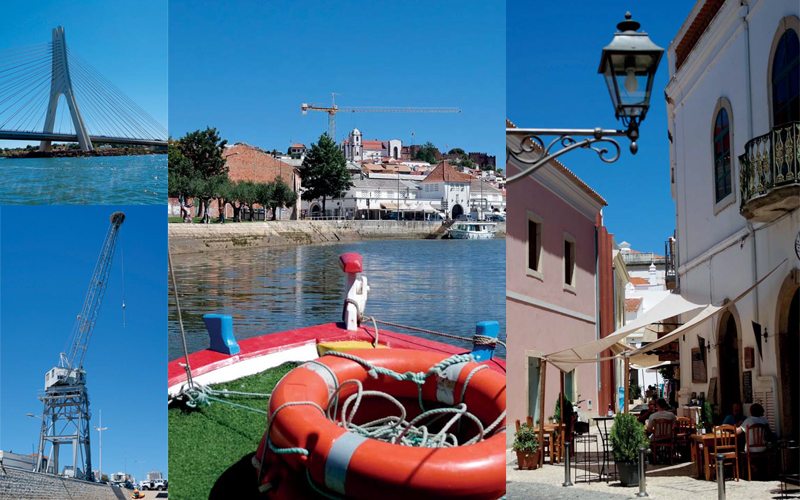
    We were greeted at Ferragudo harbour by Fiona, who explained the itinerary and told us that her husband Luis, our captain and tour guide for the day, has been operating his tours with his converted, traditional wooden fishing boat on the Arade to Silves and the Sítio das Fontes in Estômbar since 2013. Born and raised in Ferragudo and a fisherman for 35 years, there are few people better qualified to guide you on an Arade boat trip. Right on time, Luis pulled up at the harbour wall and welcomed our group of nine – the maximum capacity – aboard his vessel where we settled into our spots
    ready for the trip to begin.

    Our skipper began to pull away from Ferragudo, navigating the river across the tides to cause the least buoyancy on the small boat, and he began to explain some very interesting facts about the history of the river. According to him, it has changed almost beyond recognition in his lifetime, with the introduction of large canals to allow vessels to move without hindrance and avoid the series of sandbanks on the outer limits of the river.

    As we continued up the river, under the bridge, Luis told us about the importance of the old sardine factories, of which there were 10 in Portimão and 13 in Ferragudo. “The factories were one of the main employers in the area, with the men working sea-based jobs like fishing and loading or unloading, while the women were factory-based, cleaning and sorting the fish on the production line,” he explained. “You can imagine that when these factories closed, there was a bit of an economic depression here. You can see all the chimneys in the area, now with stork nests on them. They were the chimneys from the fish factories, they represent a big part of our history in Ferragudo.”

    Luis passed by the Portimão Museum to show us the baskets and hauling cranes on display at the pier, which put things into perspective.

    Sailing under the rail and road bridges, he told us many tales of how life used to be for a Ferragudo fisherman and the changes in regulations and economy that lead him to convert his traditional fishing vessel into an excursion boat.

    Wildly knowledgeable about his surroundings, Luis talked about the local wildlife, flora and fauna and was happy to answer the guests’ questions and provide a rounded commentary on the areas that we sailed through, stopping at various points of interest along the way to give us little gems of information from the past and present.

    He spoke about the Moors invading the area and how the Portuguese people joined together and used the various access points to finally fight them off, back to North Africa, and explained the importance of these canals to the local farmers, salt harvesters, rice paddy’s and the ecosystem in general.

    The scenery is incredibly lush and at certain points you could imagine yourself sailing in South Louisiana with a pair of eyes peering out of the water. Of course there is nothing even remotely dangerous in the river, it’s mostly home to some bass and other small fish that provide sustenance for the Heron and Stork population.

    Sailing through the bamboo-lined canal, Silves appeared in the horizon and we docked just by the old Roman bridge, where we disembarked for break of an hour and a half to explore the old town and grab some lunch before heading back to Ferragudo where the tour ends.

    The Silves tour costs €30 and lasts around four and a half hours, and Luis even provides some soft drinks and beers.The couple also offers a trip to the caves and to the Sítio das Fontes natural reserve in Estombar.

    To book your trip call +351 916 846 425 or pop down to the harbour in person. | www.ferragudoboattrips.com

    Text & Photos: Mia Wallace

  • Sleeping beautifully

    Sleeping beautifully

    Inside looks at the increase of luxury and lifestyle accommodation on offer in the area

    Hitting the top of the “Best place to retire in the world” list for the fourth year in a row and topping several travellers’ bucket lists, the Algarve is definitely in the spotlight at the moment. Those in the know have been enjoying the best this region has to offer, along with investors who are canny enough to be ahead of the game and strike gold. In the light of the new wave of tourism with a more discerning palette, Inside found a few fabulous boutique type B&B, lifestyle lodgings and renovated hotels to bring the quality up a notch or two.


    THE TIVOLI HOTEL

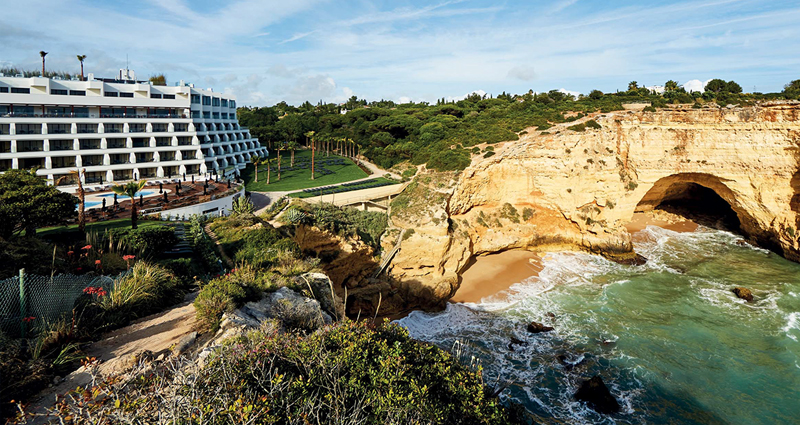
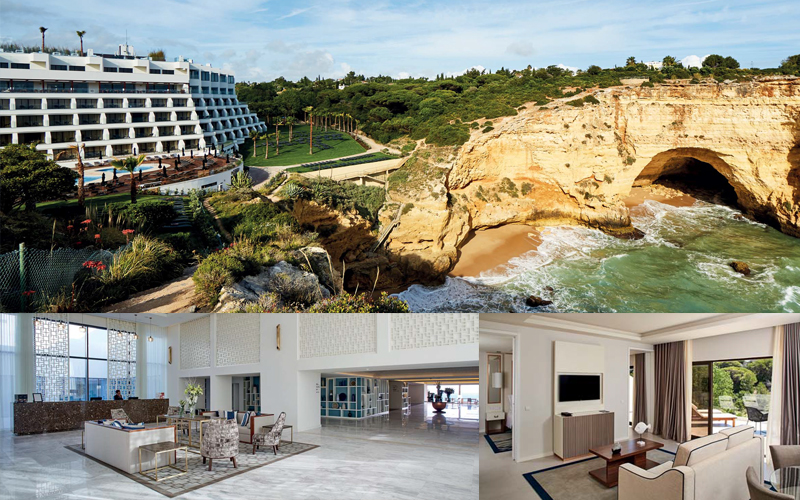
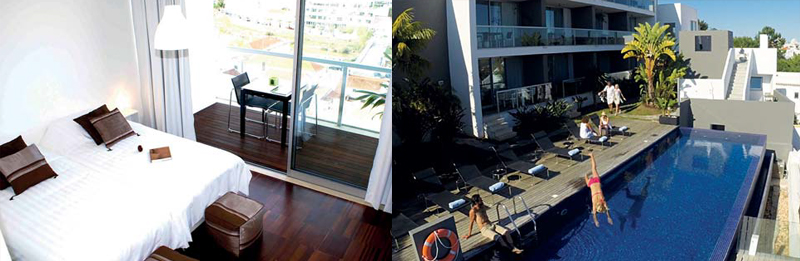
    When Minor Hotel group took over the struggling Tivoli group, no one knew what to expect but based on their grand presence in Asia, hopes were high. The former Almansor underwent a total renovation and now has five-star status, a massive SkyBar, beautifully decorated lush rooms, a spa, gourmet restaurant, public bar and fabulous, bright, minimalist façade. Boasting family rooms, suites and stunning sea view rooms, the hotel is now able to offer something for everyone. All facilities are open to the public and the SkyBar will soon be accessible from the street, along with disabled access. It is well worth popping in and enjoying the view.

    www.minorhotels.com/pt/tivoli/tivoli-carvoeiro


    THE GRAND

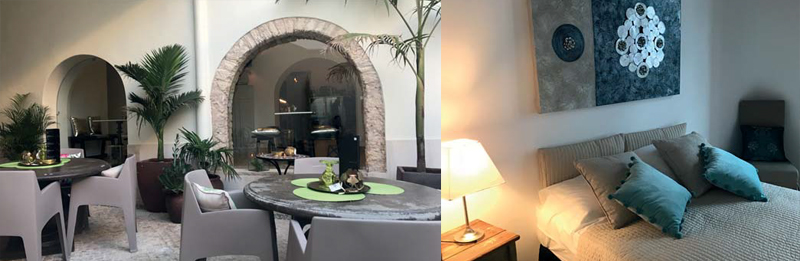
    This old bakery has been taking form in the centre of Carvoeiro for a few years now and it was worth the wait. With a wonderfully sympathetic restoration, it boasts a reception area and ground floor with original tiles and wall decorations, where possible. A sweeping staircase takes the guests up to the five colour-themed rooms that are decorated in a blend of modern and classical styles. Due to the structure of the building, each room has its own shower and bathroom facilities at the end of the corridor. Comfortable communal areas, including a terrace, make it a great place to sleep in the heart of Carvoeiro. The Decadente degustaria/concept store is on the bottom floor and is an absolute treat for wine lovers, where everything, including the tables and ashtrays, is available for sale. It does however close before 11pm, so as not to disturb the residents of The Grand.

    www.airbnb.pt/rooms/20162761


    CASA DE LUZ DITE LA “MAISON VIRVAIRE”

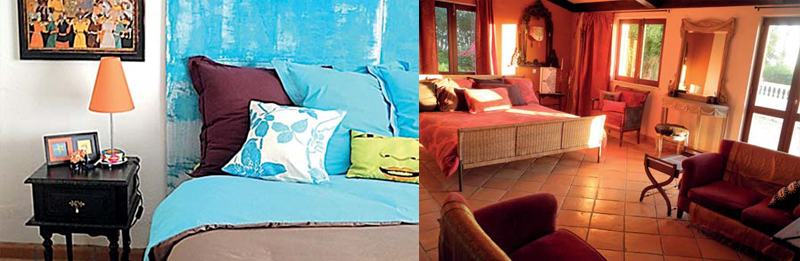
    A designer’s haven set in a villa in Solfeiras, Carvoeiro, created by the creative and colourful Interior Designer host, Thierry Virvaire. It offers three very unique rooms, all based on his travels, designer’s eye and Parisian style. You get a wonderfully welcoming reception and instantly feel at home in the gardens, pool and communal areas. Each room has its own private outdoor space and Thierry can be as involved or removed from your holiday as you like by catering for you, showing you his favourite spots, introducing you to local gems and information that you could otherwise miss on a short break.

    Alternatively, he will leave you to your own devices to enjoy this beautiful home. The rooms are all very well priced and have their own facilities, with an Indian/Bollywood inspired room, complete with the obligatory disco bulb. The Azul room is dedicated to Rajasthan while the Terra Cotta junior Suite is all about lighting and the Suite being inspired by the traditional Ochre colour of Algarve. The focus here is really on design, lifestyle and enjoying the wonderful and generous hosting skills of Thierry, who will happily pick you up from the airport at no extra cost.

    www.thierryvirvaire.com


    ONE2SEVEN

    This is a true lifestyle destination venue, with four large and spacious three-bedroom townhouses with private front facing and roof terraces. In addition to this, there is also a selection of independent bedrooms, suites and a fabulous penthouse apartment, all built around an infinity pool with a very cool viewing window in the onsite music studio/bar area. Belgium owner Miguel is a very creative, outdoor loving guy, and has thought of everything here, offering use of his kayaks, sauna, hot tub, wine kitchen, poolroom and all communal areas, while providing private accommodation with all the facilities you might need to have a completely independent holiday.

    One2Seven is a very dynamic place that can cater for lone travellers, families and groups all at the same time.

    www.one2seven.org


    THE LAGOA HOTEL AND THE CARVOEIRO HOTEL

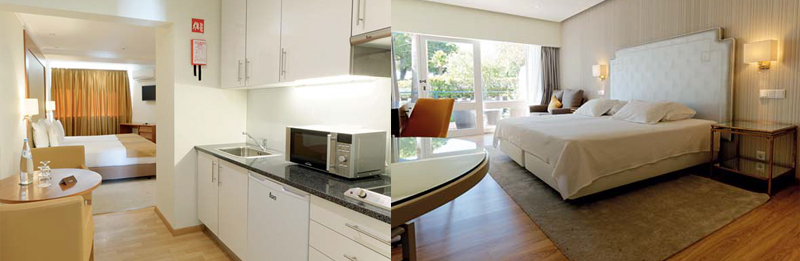
    These two properties were very badly neglected over the years but thanks to Glamour Futur Hotels, the old Lagoa Hotel and Aparthotel Solfeiras are now bright and comfortable, modern, well-equipped hotels that offer value for money accommodation and good onsite facilities including restaurants, conference and meeting rooms.

    Both hotels have self-catering options in all units and communal swimming pools, with 44 rooms in Lagoa and 68 in Carvoeiro. The Lagoa hotel also has a great, little hairdressers tucked in the back.

    www.lagoahotel.pt/en

    www.carvoeirohotel.pt


    These are just a few of the accommodation options on offer around Lagoa, but we feel that they are of a high-standard and represent a good price/quality comparison in the area while giving the guests a unique, knowledgeable, safe and comfortable base from where to enjoy their time here.

    People play a huge role in a holiday experience and we believe that the guesthouses and hotels listed here feature great personal touches that make their guests feel appreciated. Those opening guesthouses and rental properties are generally people who have fallen in love with this part of the Algarve and want to share their experiences and local knowledge with their guests.

    Text: Mia Wallace