Category: Must Read

  • Bon Bon is back

    Bon Bon is back

    New chef and a new start for Carvoeiro’s only Michelin-starred restaurant

    – May 11, 2021

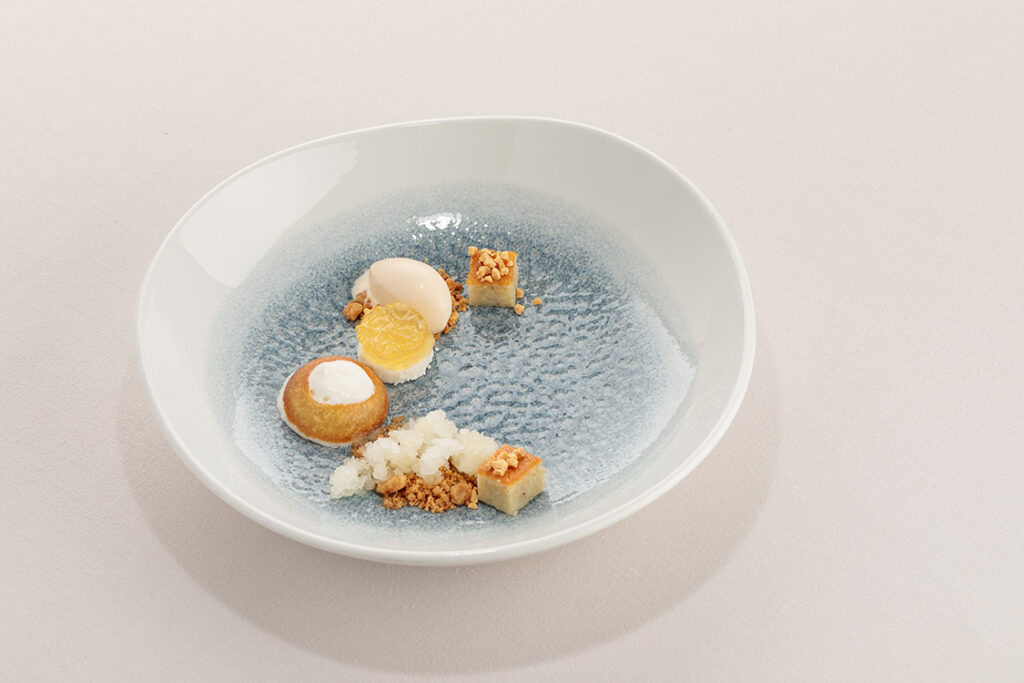
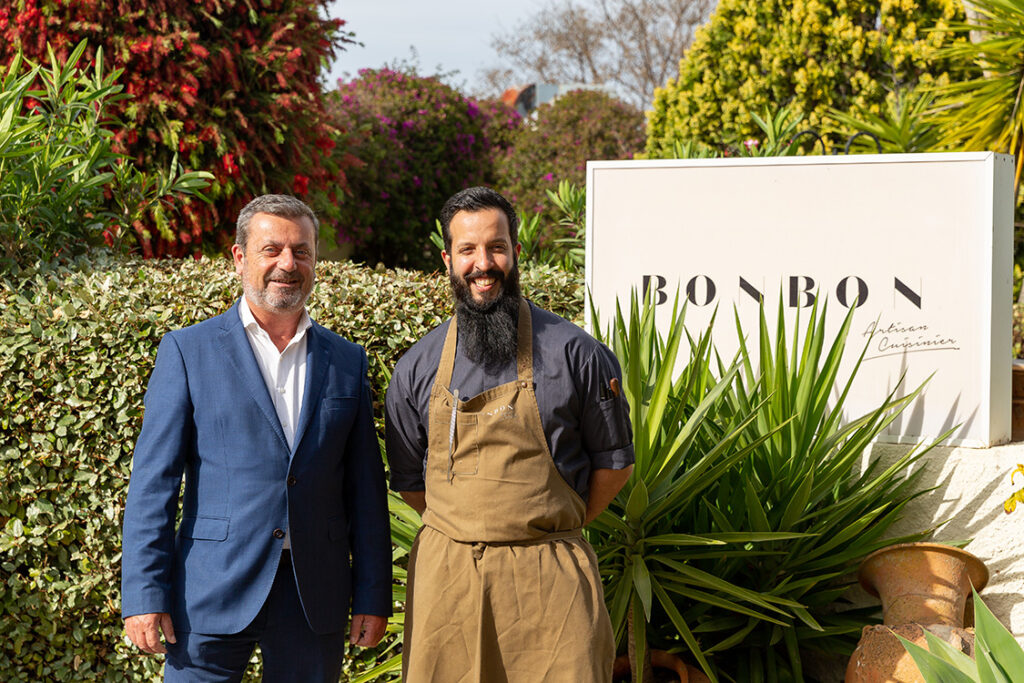
    Getting ready to open Bon Bon for this season, owner Nuno Diogo was faced with the challenge of finding another chef and team. His last chef, Louis Anjos, moved on to pastures new at the beginning of the year but there was no shortage of candidates and he settled on José Lopes, a 31-year-old who appears to have the experience and the team behind him needed to keep Bon Bon at the top of its game. There is a refreshing confidence to the new chef’s cooking and a clear focus on the cuisine and ingredients of the Algarve.

    The lunch menu offers an excellent introduction to the restaurant at a more accessible price, with three courses at €45, four at €59 and five at €70, but even the three courses end up at six or seven if we include amuse bouche appetizers, the bread course, pre-dessert and petit fours. But it is the dinner menu that really showcases the work of the kitchen with five courses (or Moments as they call them) at €115 or seven at €140, all prices without wine.

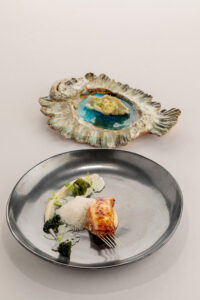
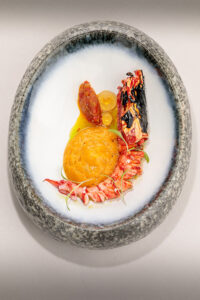
    Two of the standout dishes on the lunch that show a strong connection to the Algarve are carabineiro(scarlet prawn) with flavours of Caldo Verde soup and an outstanding rendition of Algarve pork and clams. The current dinner menu is themed on the ocean and is presented at the table like a message in a bottle. One of the most impressive dishes, served as a transition between the fish and meat courses, is one that tricks the palate; a rack of sole is served to resemble a tiny rack of meat on the paired bones with a pork belly demi-glace, a foam flavoured with smoked pork, textures of cauliflower and pickled seaweed.

    There is no doubt that the standard of cooking at Bon Bon today is as worthy of a Michelin star as ever. Chef José Lopes brings a new style of fine dining to the restaurant, whilst the familiar face of Nuno Diogo, as host and sommelier, gives this outstanding little restaurant the continuity and unwavering standards that should make sure Carvoeiro’s only Michelin star remains firmly in place.

    www.bonbon.pt

    TEXT Patrick Stuart
  • Noble vines: Morgado do Quintão

    Noble vines: Morgado do Quintão

    Meet the man behind some historic grapes at Morgado do Quintão

    – May 11, 2021

    Down a long, winding country road lined with wild flora and fauna is a large, family-owned, organic vineyard estate. Even with my Google map pin securely placed on the location, I was still not 100% sure I had arrived until reached the main house.

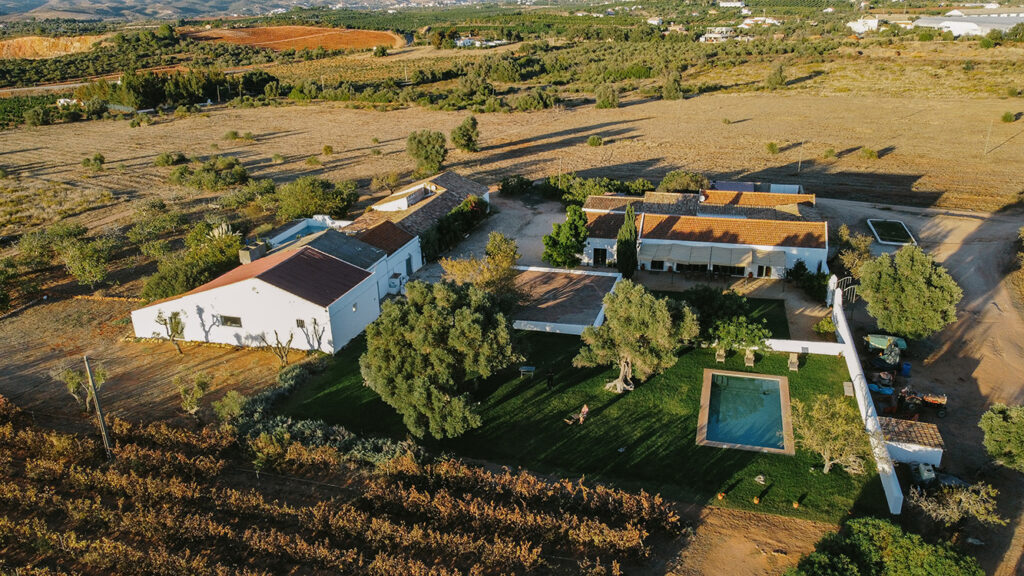
    I was taken aback by the feeling of peace and grace that swept over me when I arrived. Morgado do Quintão exudes a refined country chic aura, is fantastically tranquil and so close to Carvoeiro. This fabulous, sprawling estate was founded in 1810 by the Count of Silves and is now in the careful hands of his descendant, Filipe Caldas de Vasconcellos who undertook the mammoth challenge of transforming the wild old vines and cottages into their current glory. “You never really own a place like this,” says Filipe. “I’m somewhat of a caretaker, looking after it for the future generations. It’s a wonderful legacy and we are incredibly grateful to be here.”

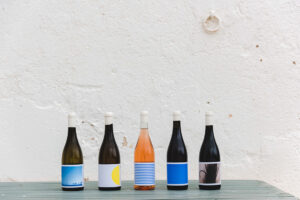
    When you think about wine projects, it is so rare that wine is produced in such close proximity to the sea, and this has a huge effect on the flavour of the wines. Filipe says that he was walking around the vines recently and he came across some fossilised shells from the days when the land was under water. This link to the sea is of great importance and that not only comes through in the wine, but you can see it in the labels too. They have taken the colours of the Algarve, the sea, sky, buildings and created fabulously simple yet incredibly striking labels that convey an insight to what lays within the bottle.

    The wines of Morgado do Quintão are to be savoured. Their production is somewhat on the boutique side and as such is even more special. “We were honoured to receive two Silvers at the Algarve Wine Contest for the Palhete and Clarete, and Best Wines in Portugal (Algarve) 2019 for our Branco Especial ’18,” Filipe proudly tells us.

    Constantly innovating, they introduced a 150-year-old amphora, terracotta wine vessel to their processing methods in 2020, which will deliver a new level of complexity. Planting more vines, investing in alternative techniques, and working with some of the best in the business, the idea is to enhance what is organically there.

    Although 2020 was a challenging year in many ways, including a sadly low yield for many of the Algarve’s vineyards, Filipe seems unfazed and tells us that he took this opportunity to build on the e-commerce and social aspects of the business and reaching out to local vendors to build his brand. “What sets us apart in a way is that we have very old vines of indigenous varieties and we have a really modern view on how the wine should be our connection to the arts, which is quite fundamental to how we think. When you’re able to do what you love, the way you love and you can share that story and that passion, it’s awesome!” he says.

    Filipe’s late mother, Teresa Pereira Caldas de Vasconcellos was an art historian and professor of Fine Arts. Every year, one of Teresa’s works is selected along with an invited artist who designs a label to be placed on their old Crato Branco parcel harvest. These labels have a big part to play within the philosophy of the vineyard, with the objective of promoting art, culture and education.

    Created to honour Teresa, the Morgado do Quintão Art/Innovation project offers a creative and inspiring environment in which visiting artists can express themselves through the artist residency programme. The project is funded by a percentage of the proceeds from the estate’s yearly activities along with grants and donations. You can find out more about this on their website.

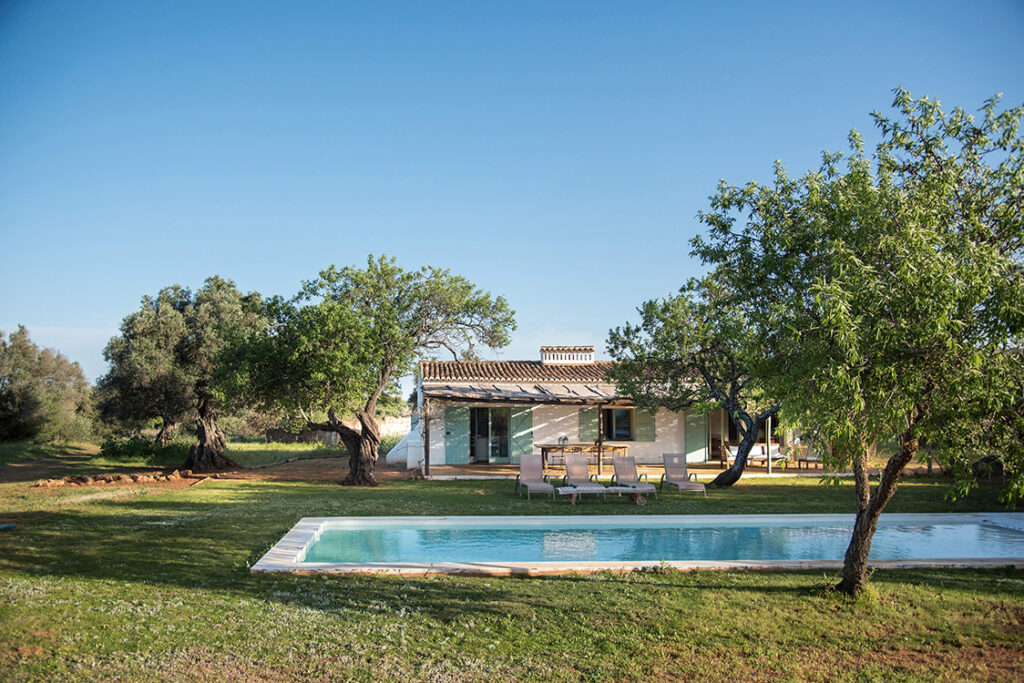
    Complimenting the vines, there is the family estate which includes three charming country cottages. Each have their own identity and retain that rustic feeling discreetly complimented with all the mod-cons you need to enjoy a short break. The furnishings are a beautiful mixture of antique and modern pieces and each cottage has access to a private pool in its own grounds, surrounded by plum, olive, carob and fig trees.

    The wine tours and tastings are, as you would imagine, rather special and there are a few to choose from. The Tour & Tasting pack includes a quick tour of the grounds and wine tasting experience that lasts for one hour and costs €17.50. At €25, Premium Tour & Tasting offers guests a premium wine tasting experience, exploring the history of the estate, its unique terroir, and, of course, sampling the fabulous wines along with some local cheese and charcuterie and Algarve delicacies by their in-house cook.

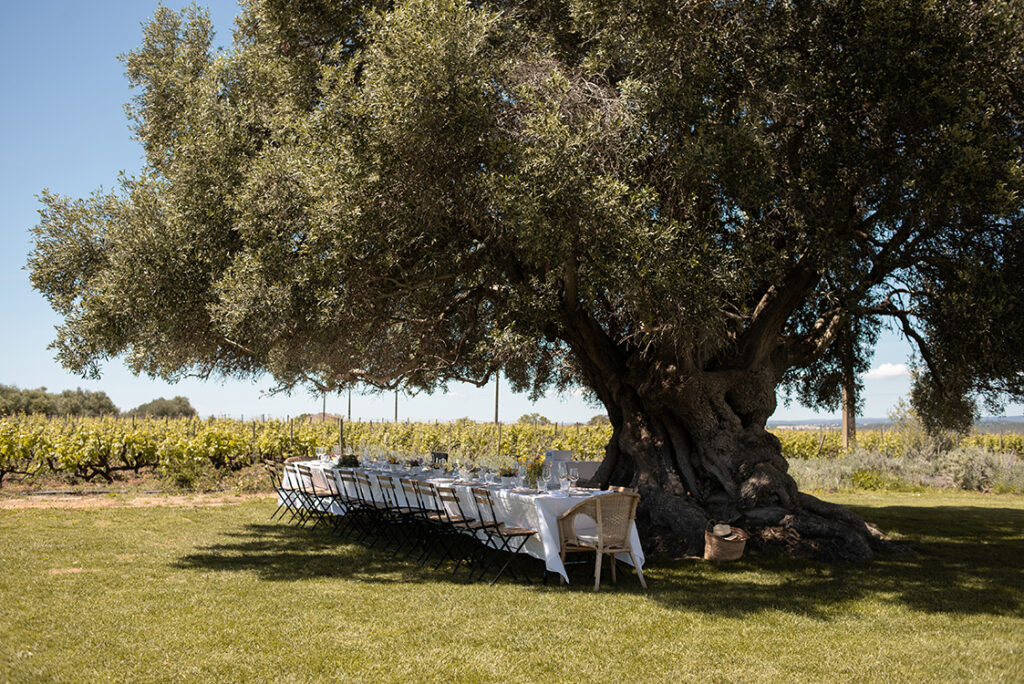
    The Farmer’s Table experience leads visitors to a gathering under the 2.000-year-old olive tree overlooking old Negramole vines, and a casual lunch is prepared and enjoyed with a selection of wines from the estate. Next is a stroll through the vines with the resident manager. This lasts around two-and-a-half hours and is €55 with a minimum of four people.

    www.morgadodoquintao.pt

    TEXT Mia Wallace
  • A country garden retreat

    A country garden retreat

    Inside visits Quinta Aida Boutique B&B and Cottages in Lagoa

    – May 11, 2021

    Long-term residents Ida and Robert Harris are well known around Carvoeiro for opening Harry’s Bar some years ago. Robert is, in fact, a builder by trade and Ida is anexcellent cook and hostess, so they decided to leave the bar behind them and take on the mammoth task of restoring an old farm and turning it into a boutique holiday accommodation.

    The couple had searched for some time before finding what they were looking for: a large, mature plot located in a tranquil, and, more importantly, central location — close enough to the access points of Lagoa and the beaches of Carvoeiro and Benagil, making it an attractive spot for beach lovers and explorers alike. The farm had been neglected, and the buildings were, to the untrained eye, beyond hope. However, the winning combination of the vision and skills of the couple meant they could see beyond what was in front of them.

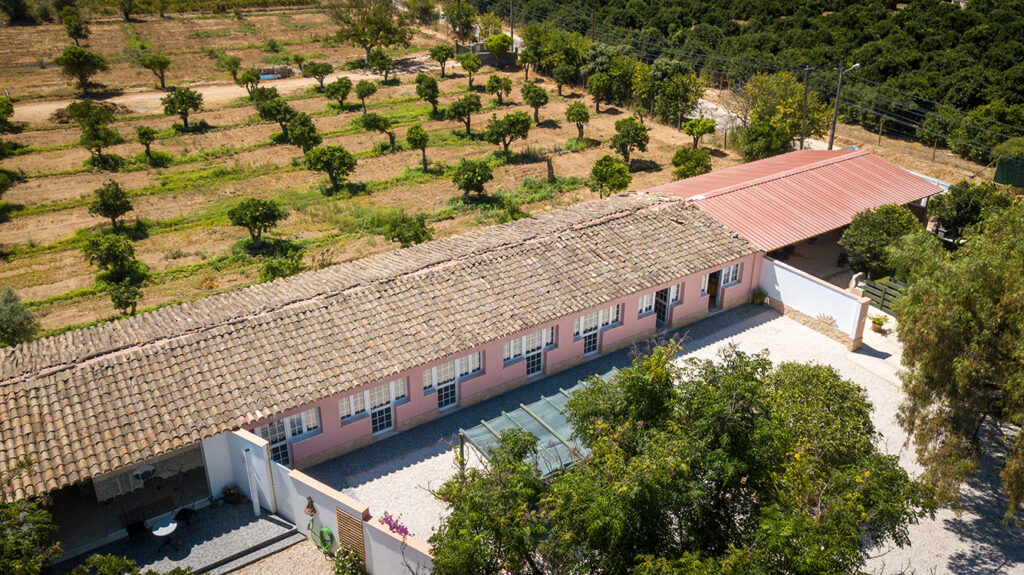
    In March 2019, their offer was accepted, and the work began in June. Robert and his team worked tirelessly rebuilding the outhouses into two charming two-bedroom cottages and six double-occupancy suites. It took them just over a year to complete this little oasis of tranquillity, which is rather remarkable considering the work involved.

    The Rose and Orchard Cottages have unique décor. Rose is more of a “traditional country cottage” and Orchard is a little more modern but maintains that rural feeling. The cottages have their own private gardens and are fully equipped for a peaceful, centrally located week’s stay. Ida has taken great care over the décor and finishing touches, making the cottages so cosy, giving them an air of homeliness that is often missing from rental accommodation. The cottages are for rent on a self-catering basis with a minimum stay of seven nights.

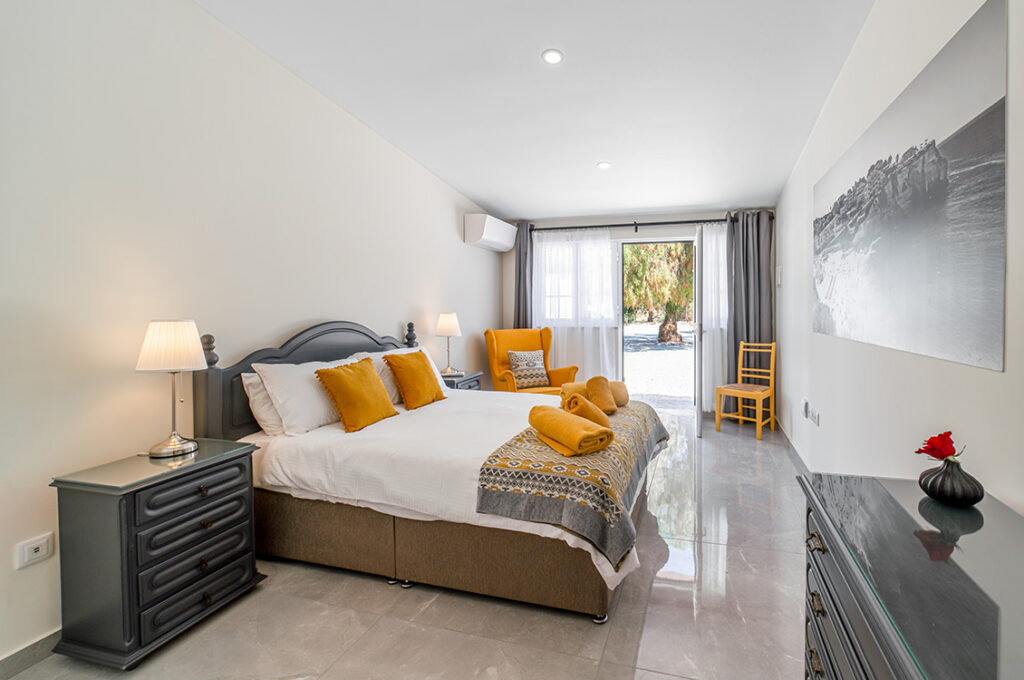
    Then there are six B&B suites, where each room has been decorated with individual touches and colour themes, giving them their own identity and character. Ida asked local photographer Daniel Clarke to take some photos of the area and enlarged the prints to make original wall art for the rooms, such is her attention to detail. Each room has a double or twin configuration and a lovely en-suite bathroom.

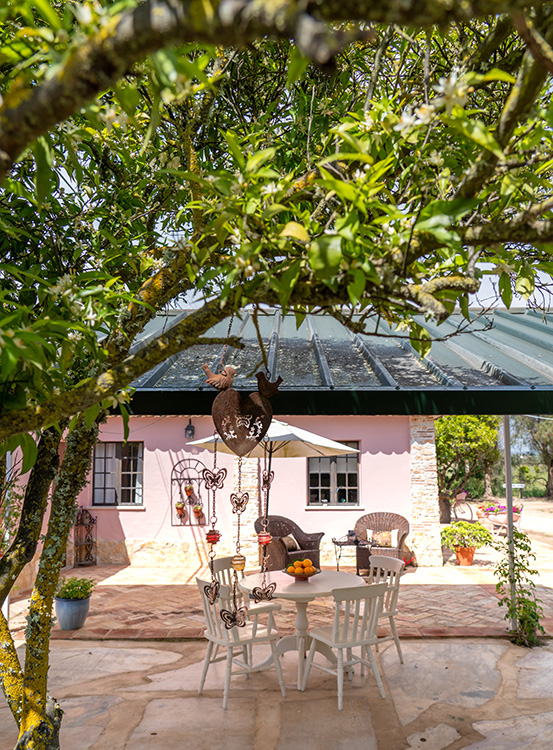
    The B&B rooms have a massive communal dining area in front of them in the gorgeous, Algarvean garden. Natural shade is used wherever possible with a vast peppercorn tree in the middle of the parking area. Being B&B, the suites have a kitchen at the end where breakfast is served. Ida takes great pride in providing a substantial, fresh, quality breakfast, which can be eaten in the kitchen or outside under the pergola.

    “Obviously, it has been quieter than we had hoped, but all things considered, we are off to a good start and have had some lovely guests,” said Ida. What sticks out about Quinta Aida is that they have managed to get the perfect balance of privacy and tranquillity; it’s a very relaxing place, which is surrounded by a typical orange grove.

    The property can accommodate three in Rose Cottage, four in Orchard Cottage and 12 between the B&B rooms, making it ideal for a retreat, wedding or event. “We love to host guests and I have organised many events over the years,” Ida explained. “Our gardens would be an idyllic venue for a wedding, and we can accommodate up to 19 guests at full capacity.”

    They’ve had rave reviews from their guests, which is no surprise — it’s a lovely, cosy home away from home with everything within easy reach.

    www.quintaaida.com

    TEXT Mia Wallace
  • There’s Always Hope

    There’s Always Hope

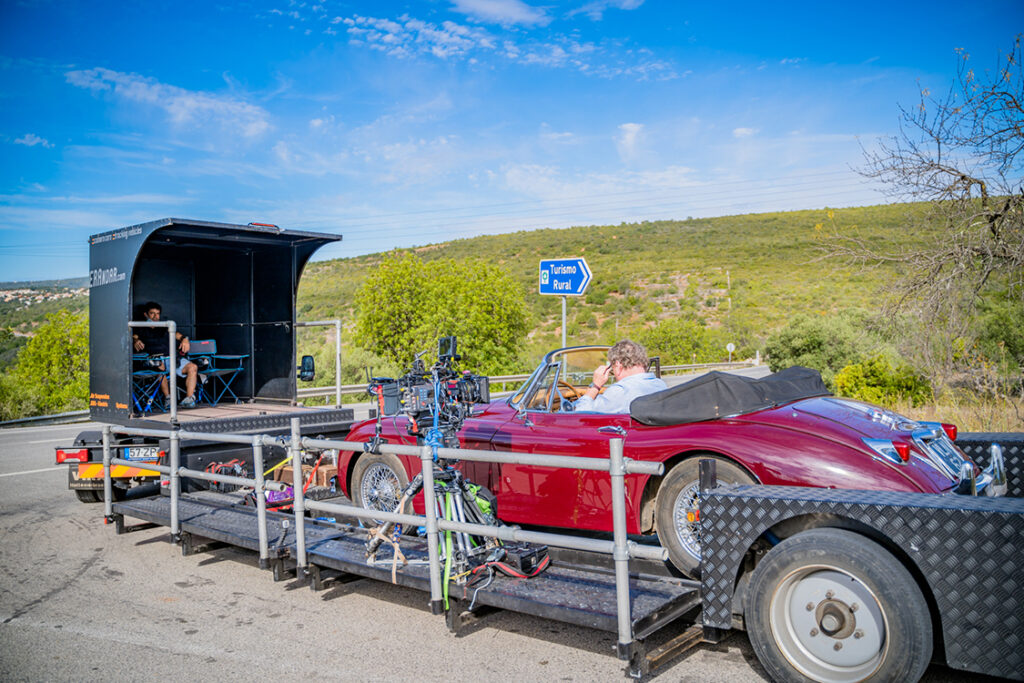
    The Algarve will be part of the setting of a new British feature drama. Shooting took place in Loulé and Lagoa, leaving producers overjoyed by the potential they see in the region as a filming location

    – May 11, 2021

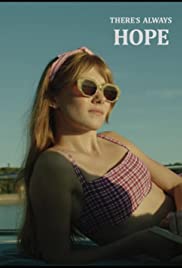
    The film, entitled There’s Always Hope tells the story of a successful author named Jonathan Stack (played by Colm Meaney), who has been “so obsessed with trying to pen his magnum opus” that he has let his marriage to Samantha (Kate Ashfield), who is also his agent and editor, break down. Jonathan decides to leave his elegant family home in Leafy Stratford Upon Avon and drives to the Algarve where their young daughter Hope (Hannan Chinn) and her half-sister Amelia (Brenda Meaney) try to help sort things out.

    The film is a joint production involving British companies Eagle Films and Bad Penny Productions as well as Portugal’s Monte Productions, Spy Manor Productions and Production Algarve. The script was written four years ago but filming only started in 2020 in the midst of the COVID-19 pandemic. “When the script was written, I had already planned to film some scenes in the Algarve,” said Moviebox Film CEO and executive producer Julian Hicks during the film’s introductory press conference in November 2020.

    As Hicks explained, he had already filmed part of his company’s first film in the Algarve six years ago. “To be honest, I was originally looking for places to film in France, but when I discovered the Algarve where I have some friends, it became obvious that the opportunity was here. After our first great experience, we discovered that the industry has room to grow here in many aspects,” said the CEO of Moviebox, one of the British entities involved in plans to build a massive film production complex in Loulé.

    “The government’s generous taxes and the support of the local community make it easy to bring everything together here. Life in the UK is not as simple and the weather doesn’t help, nor does the way matters are handled. I think filming in the Algarve is much easier and the attitude of the Algarvean people is truly encouraging, even when they are working during hard times like these,” said Hicks, who also praised the “great support” provided by the local councils of Lagoa and Loulé. “Everyone made this experience a pleasure, even with the restrictions.”

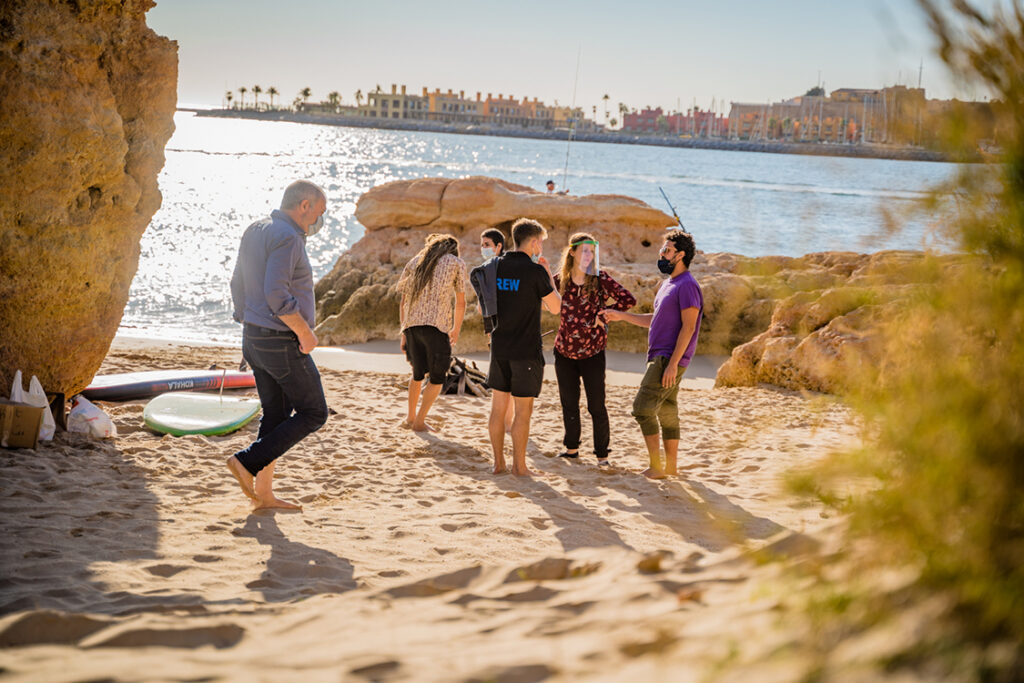
    Filming took place throughout 14 days and was completed last November, involving nearly 100 people from actors to producers and crew. “It was a challenge. We had to plan everything we did on a daily basis from transporting people from place to place to food and board. Everything was a challenge on many levels. We were used to doing things in a certain way and we had to guarantee that for nearly three weeks nearly 100 people stayed within our bubble. Getting and keeping this many people together night and day for three weeks poses challenges,” he said.

    Production manager Harry Klunder and his daughter Nina Klunder from Algarve Productions were in charge of making sure all guidelines were followed. “We were inside a bubble and forced ourselves to stay inside it. We all stayed at the same hotel and no one had permission to leave, even on their days off. Anyone who entered the bubble had to be tested,” he said, adding however that it also helped bring the cast and crew closer together.

    Explained Klunder, Loulé and Lagoa were chosen as the filming locations due to the support they received from Loulé Film Office, which he says made things much easier. “We went to them, told them what we wanted, and I knew they’d make it happen because I already know them. Then we chose Lagoa to get the rocky sea landscapes that Loulé doesn’t have,” explained Klunder, who also commented on the creation last year of Spy Manor Productions, based in Ferragudo, a company he expects to be working alongside very often in the future. “Before it was created[in 2019], I was the only one in the [film] industry here in the Algarve. I had colleagues from Lisbon who told me that I was naïve for being in the Algarve because in this industry money was made in Lisbon. But I always believed in the Algarve. Together, I believe we will have a prosperous future in this business,” he said.

    Meanwhile, Vanda Everke from Spy Manor praised the “perfect synergy” between the two companies. “I want to stress that our partnership started during Covid-19. Although the world is going through a hard time, we were able to create something positive and fruitful,” she said. The cast and crew have returned to the UK to complete the shooting. At the time of this interview, the film was expected to premiere this summer.

    TEXT Maria Simiris
    SOURCE Barlavento
  • A bohemian by the sea

    A bohemian by the sea

    While travelling and surfing along the coastline of Portugal, Miguel Titéca rediscovered his creative side by photographing the surf lifestyle

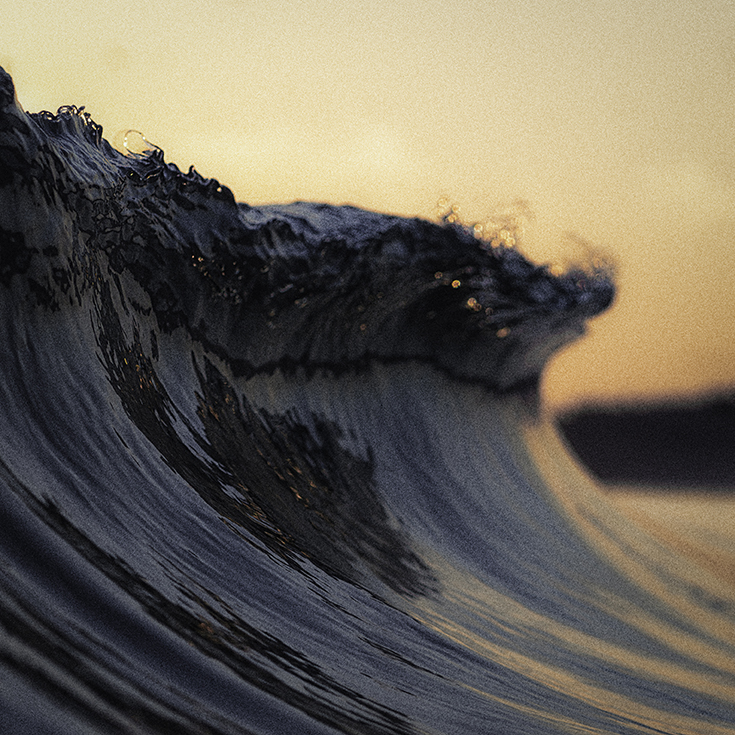
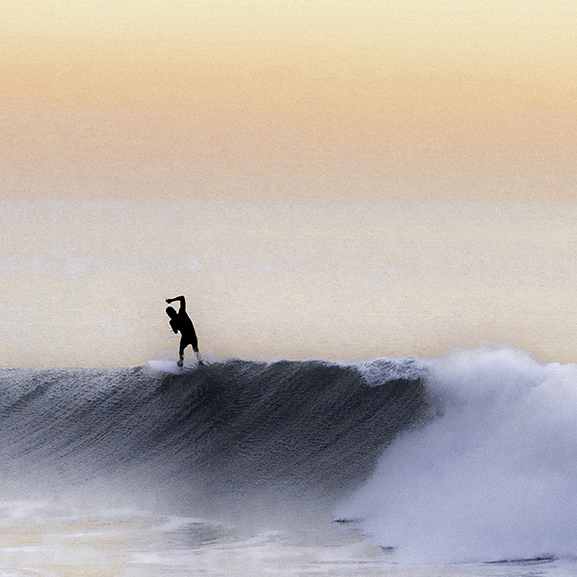
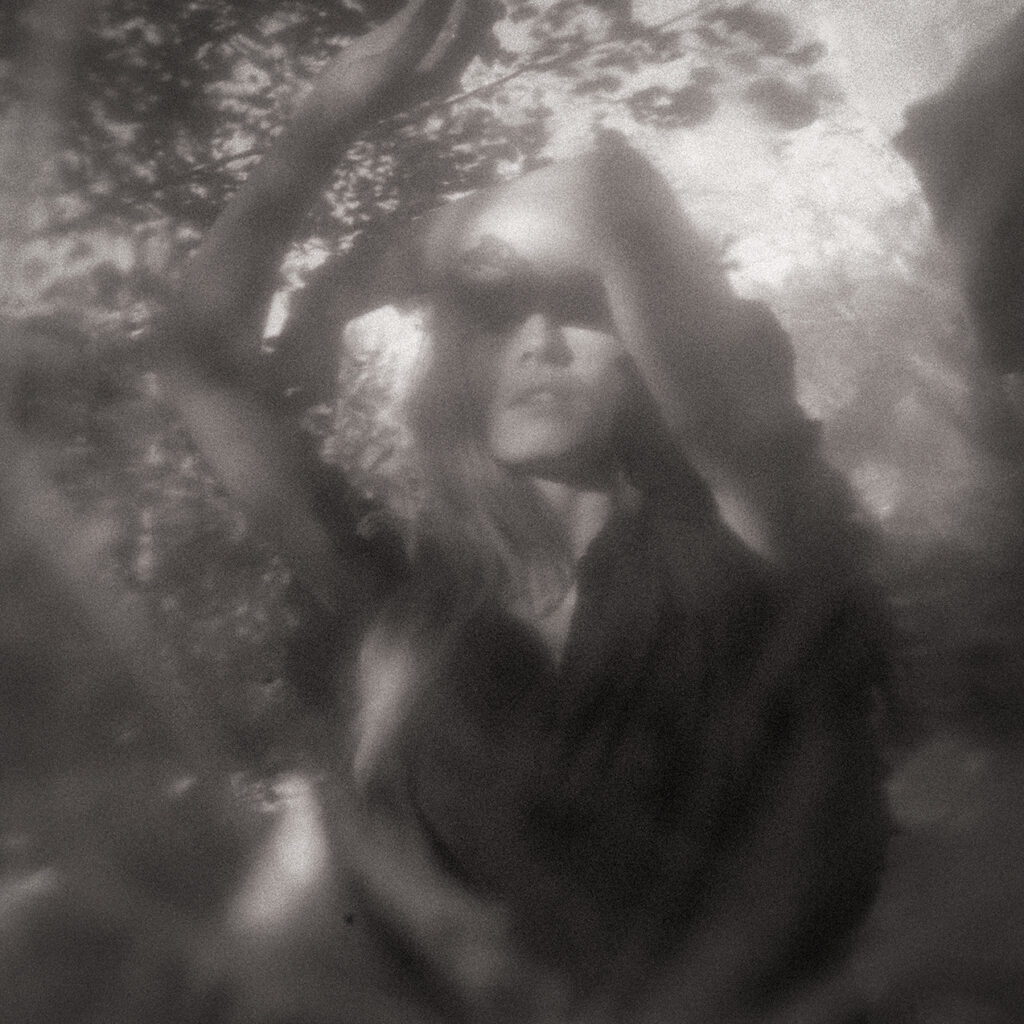
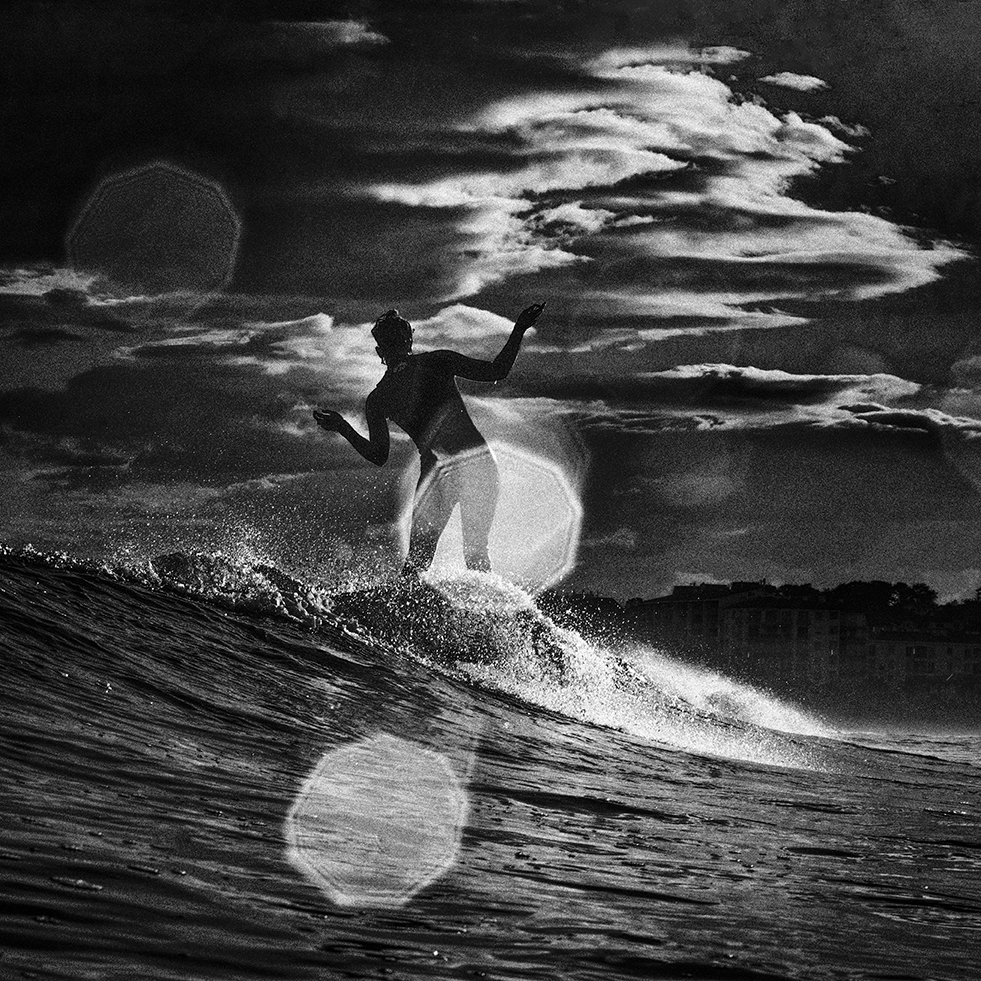
    Growing up surrounded by art and artists in his Belgium home, Miguel Titéca soon began expressing himself on canvas, through music and with sculpture. The thought of creating art with a camera was somewhat alien to him, and he viewed the camera as a piece of technical equipment. In his adult years, Miguel fell in love with the ocean, spending many days with his friends on the Algarve coast on boats, surfing and paddleboarding. Based in Ferragudo, he found himself letting go of the stresses of everyday life and allowed himself the time to connect with the ocean.

    His friendship with João ‘Brek’ Bracourt, the famous surf and ocean photographer from Figueira da Foz, was essentially what led Miguel to make the transition into photography. “I wanted to get back into painting, I needed to channel my creativity, but then I was hanging out with João, and he pushed me out of my comfort zone and towards the camera,” he explains. “He gave me a supercharged masterclass making it so interesting, easy and exciting.”

    Having spent many hours learning from João, Miguel was comfortable with the equipment and felt that he would like to explore some new subjects and techniques. “I don’t want to be branded as a Surf Photographer. What I’m passionate about it getting my interpretation of what I’ve captured across, transferring my vision into the image.”

    Keen to improve and take his newfound passion further, Miguel applied for a week-long course with the spectacularly talented French photographer Sebastien Zanella and was thrilled to be accepted. He couldn’t believe his luck, as only four people were accepted to participate. Miguel laughingly recalls the time as very intense. “I learned a lot! Sebastien was very honest with us all, and the time spent with him was invaluable. He told us some things that we were doing were wrong, he didn’t hold back, and I, for one, was grateful for his directness and honesty.”

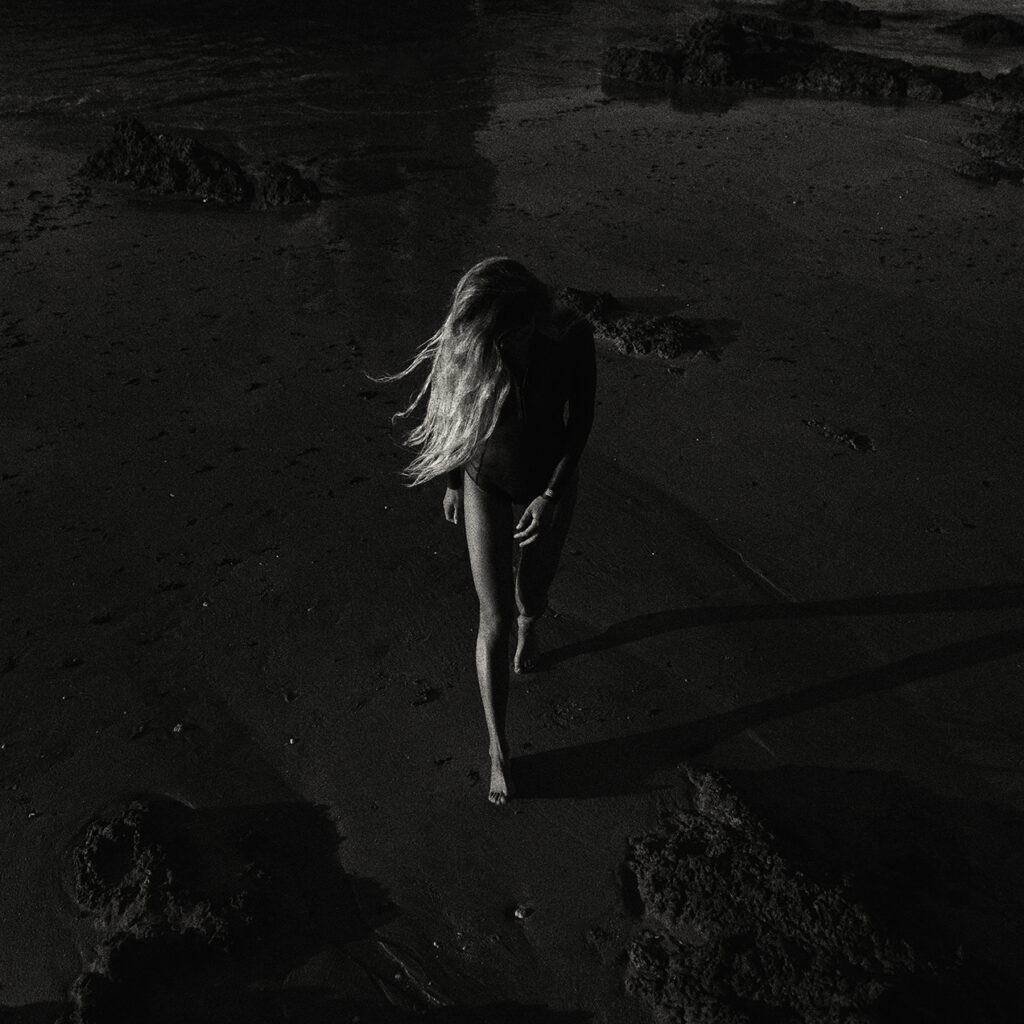
    Miguel’s style has changed drastically, moving away from the tunnels and waves where he learned how to interact with the machinery and subjects. His more recent work has many shadows, movement and textures to it, making it more personal and reflective of his personality. Full of inspiration, his sights are set on making a compilation of a series of 20 stories that he would like to publish. The series will feature subjects like the fishermen in Ferragudo going about their day-to-day chores. Others will be extreme sports, Capoeira, special characters, disappearing customs of the Algarve and outdoor lifestyle.

    “Now I can pursue my passion, thanks to João removing my fear of the technological aspects and Sebastien showing me that the camera isn’t actually what makes the photo, it’s the person behind it. These men have been instrumental in helping me find this path.”

    He already has an exhibition scheduled with Motel Moteur in Belgium, which is a great honour at this early stage in his photography career. Being invited to be part of this prestigious, altering location exhibition is excellent praise indeed and shows that his style is being understood and appreciated.

    Miguel has begun to work with new printing and display frames to show his work and is enjoying the results. You can expect to see his work hanging in exhibitions in the Algarve soon, but for now, you can see his work and contact him directly with your interesting characters via his website. If you would like to suggest someone to be featured, Miguel would love to hear from you.

    www.migueltiteca.com

  • Love in a bottle

    Love in a bottle

    Nestled in the countryside of Porches lays the sprawling estate of Quinta dos Capinhas
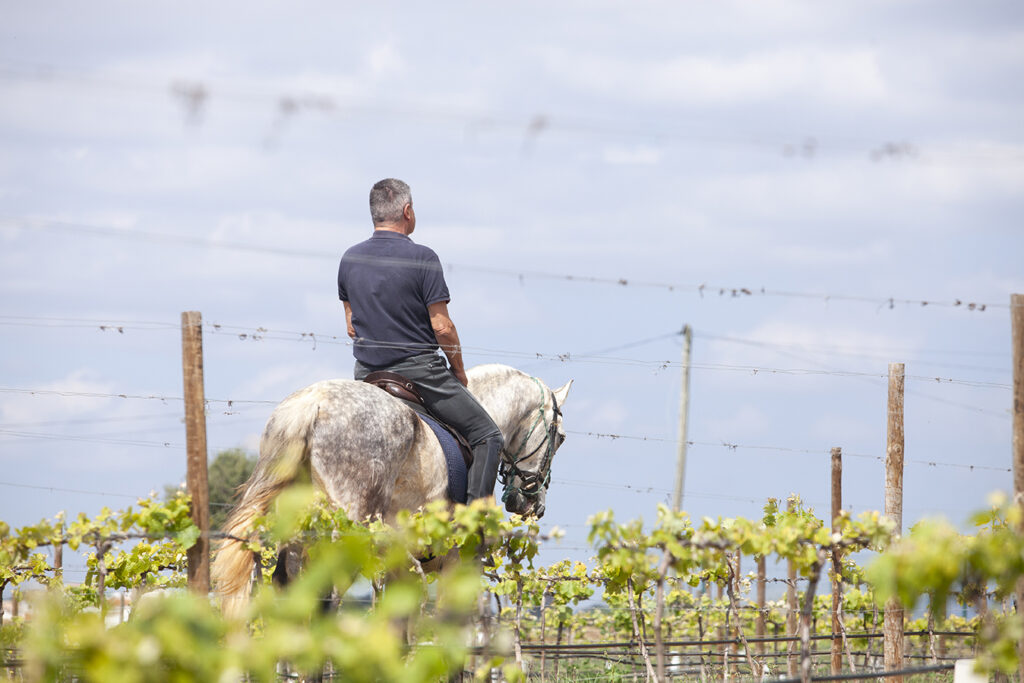
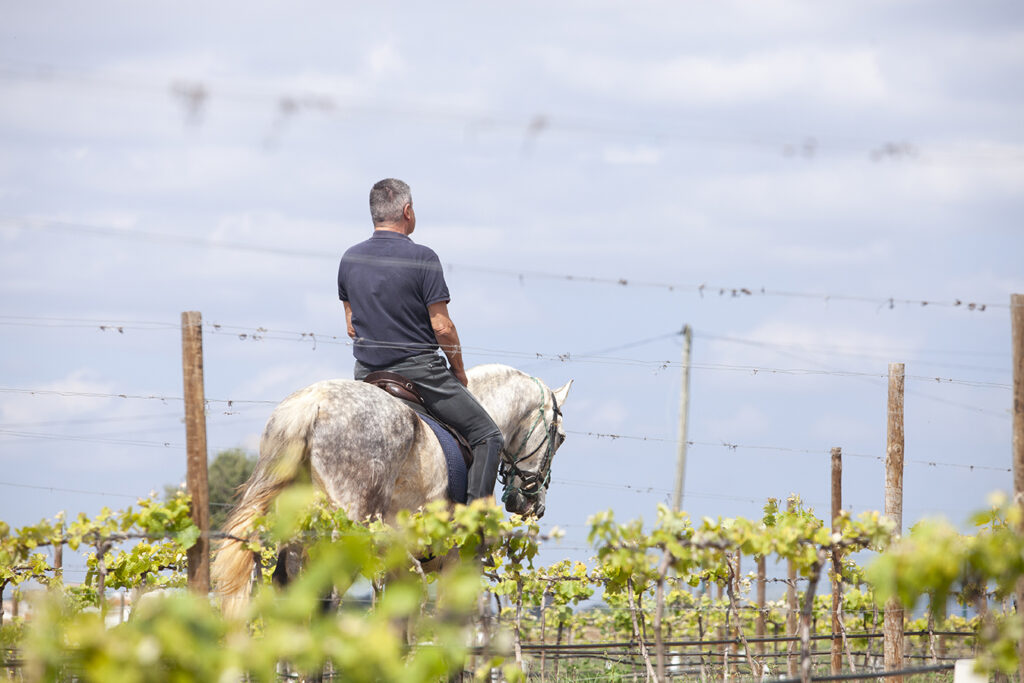
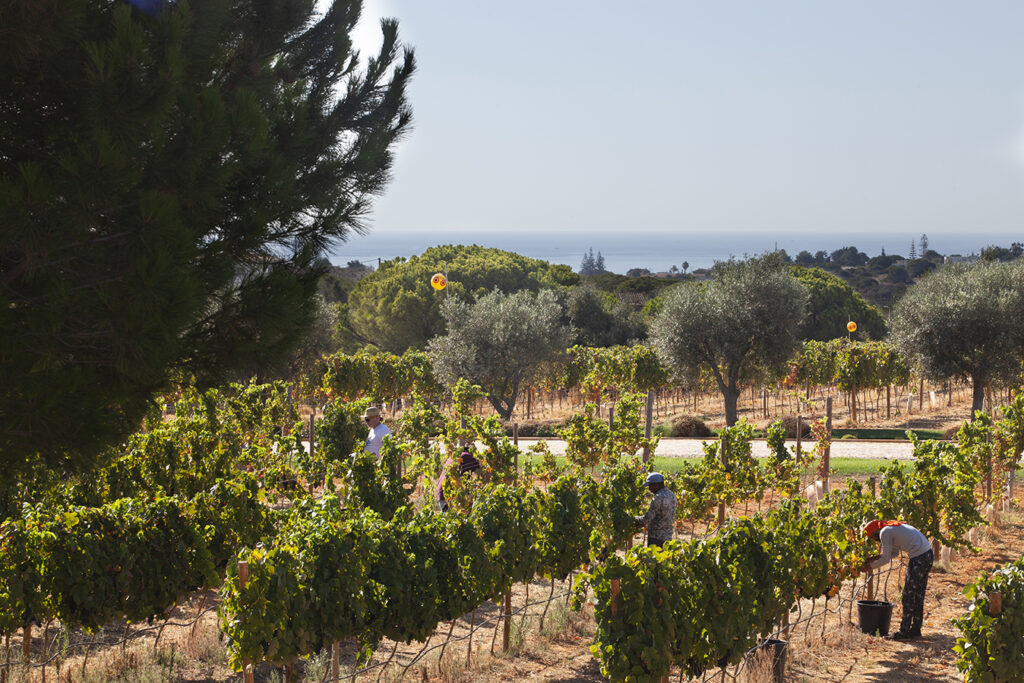
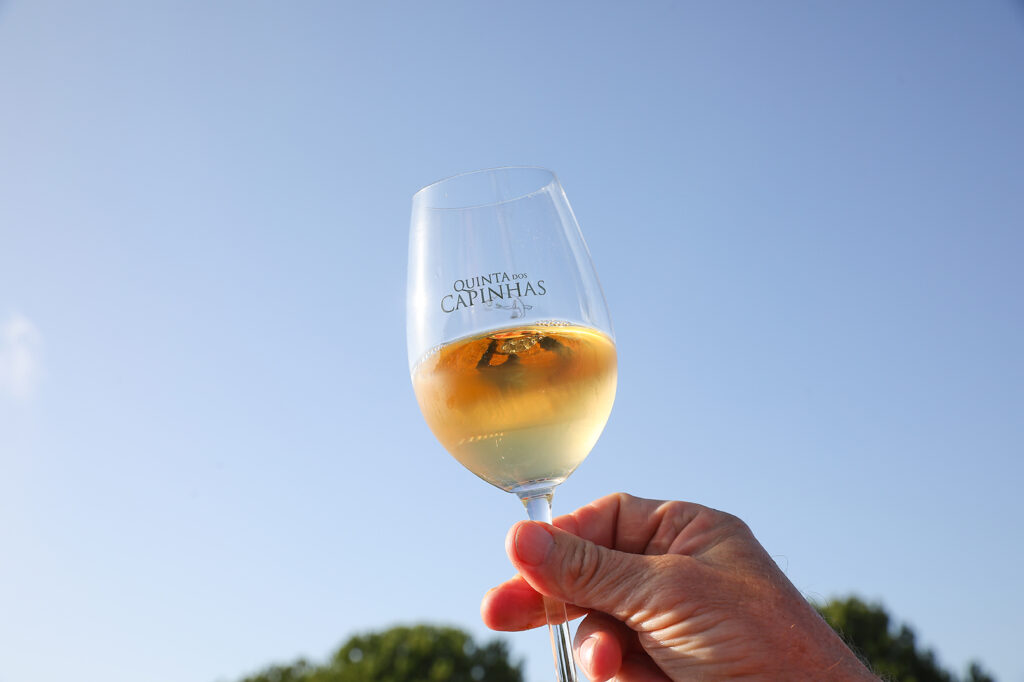
    Inside met the charming owner of Quinta dos Capinhas, Inês, who showed us around and told us about the neighbouring properties and the family’s evolution into a beautiful country vineyard. We were welcomed by Inês and the family’s dogs, who joined us on our walk around the vast 30-hectare estate. The property goes as far as the eye can see from some of the valleys and terraces, and is rich in local flora and fauna that are complementary to the general wellbeing of the vineyard. “In our farm, besides wine, we keep the native trees and plant others, typical in the area, like carob, olive, cork, almond and pomegranate trees, among others,” Inês explained. “You can see, we are surrounded by wild vegetation and small wild animals, from the bearish boar or clumsy cranes to the most delicate bee-eater or chameleon.”
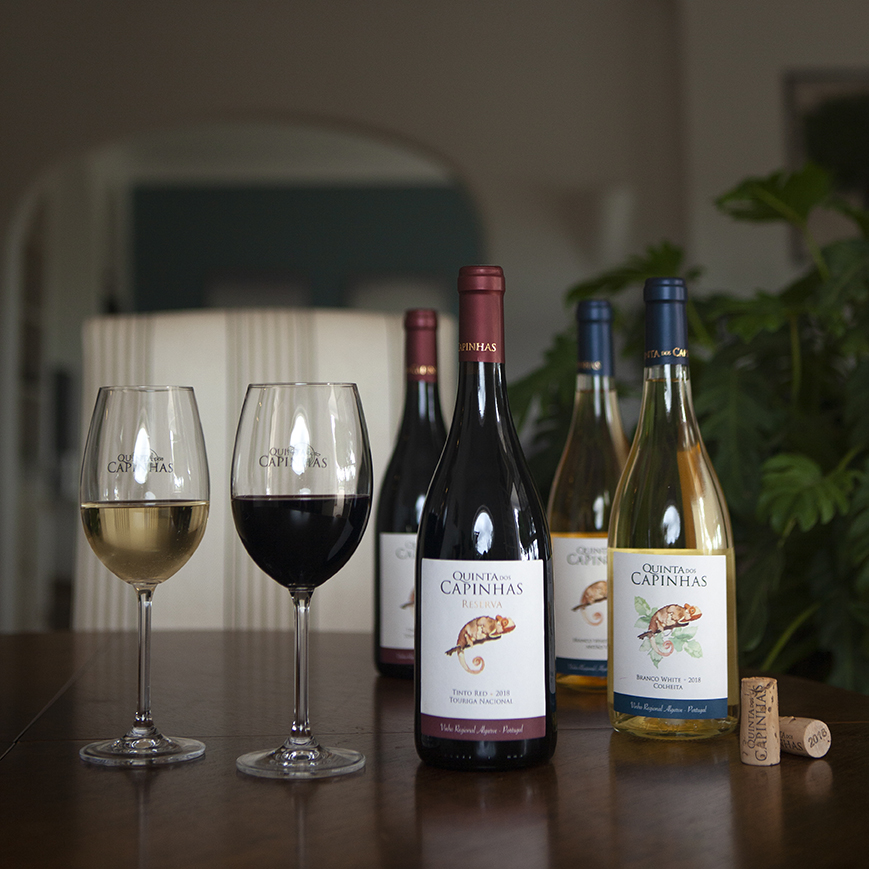
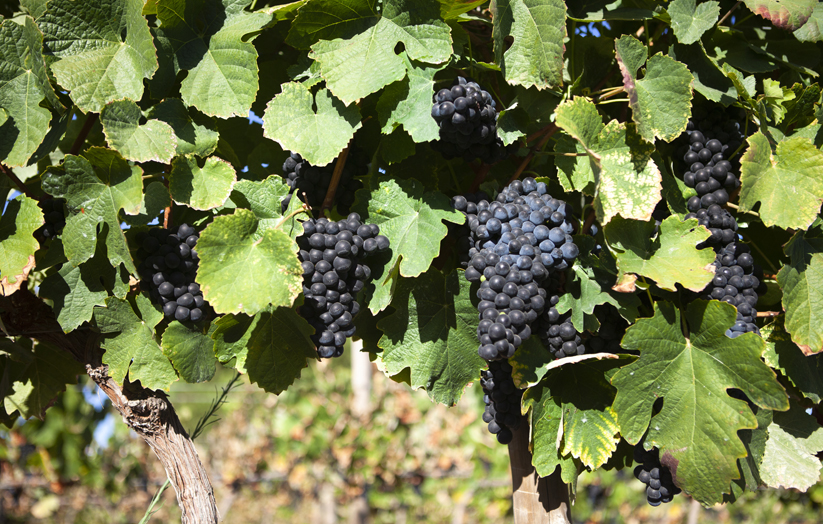
    Inês met her German husband, Horst, in 2012 when they were neighbours, walking their dogs in the countryside. Horst had a few projects in the area and, soon after meeting, the pair began working together. A little time passed, and their relationship developed further, and now in 2020, they have a beautiful daughter, Maria. When the couple got together, they thought it would be a cute idea to plant some vines in front of their home as the leaves are green in the summer and they love wine. As often happens, those tiny vines take a lot of work to make them into wine, so they decided to push forward and make the work pay off. “The wine is named after my family name in tribute. My mother’s family were winemakers from the centre of Portugal, and my husband has been a wine lover, for many years, so I guess it was only a matter of time,” Inês joked.

    So, it would be fair to say that Quinta dos Capinhas was born from a personal taste for wine, wildlife appreciation, sea breezes and a love story. Only 2.5km from the Atlantic, the valleys, trees and air play a significant role in creating the estate’s wine varieties. In the mid-1970s, after the Carnation revolution, most farming in the area was left to become wild with the coastal tourism bringing much easier financial rewards. After purchasing the plot directly in front of their Quinta, the couple received the relevant licenses and extended their vineyard to cover five hectares, intending on expand it further soon. Something rather unusual about this Quinta is that they do their harvesting in the evening, known as Moon Harvest. Most southern producers tend to harvest during the day, and I must say, I think that moon harvest makes a lot of sense having done a few day time harvests in the sweltering heat.
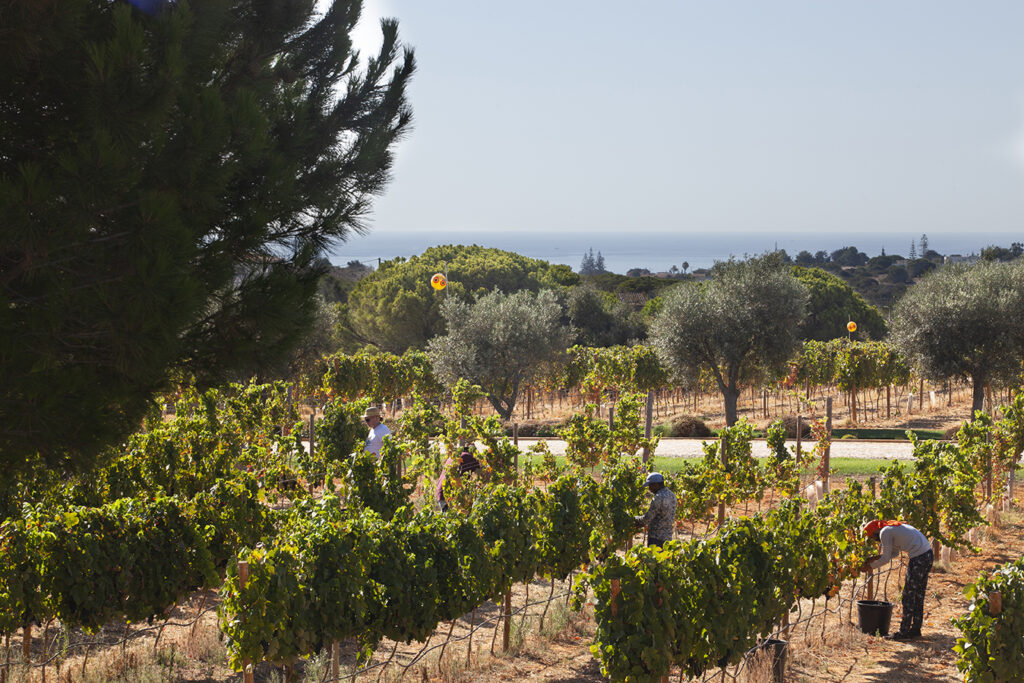
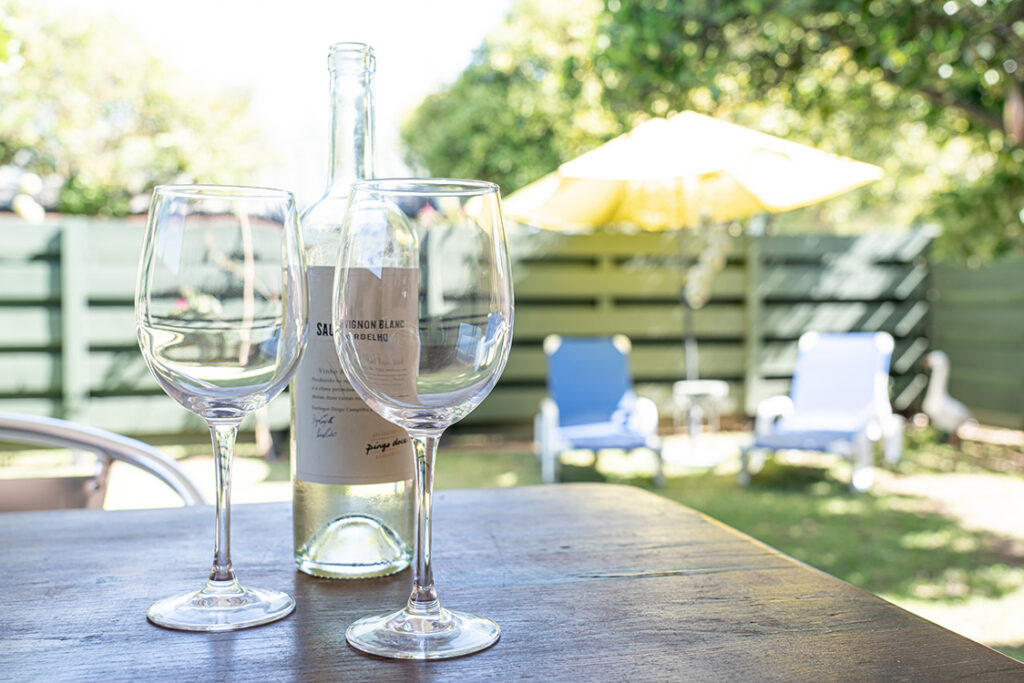
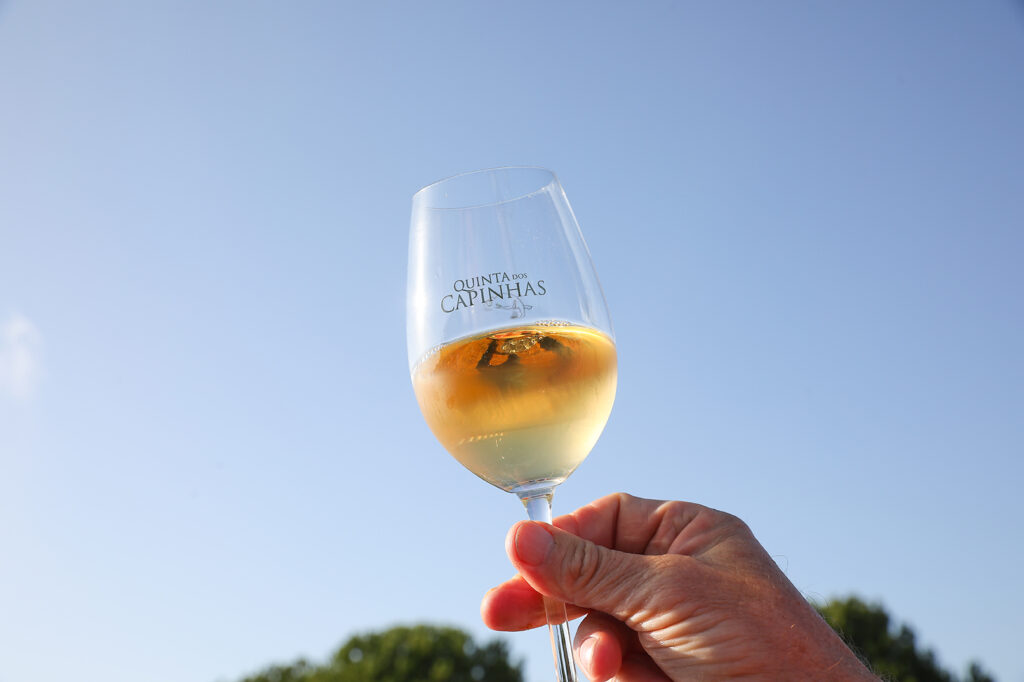
    As for current grape varieties, there are four whites and four reds. Amongst the whites there’s Antão Vaz, a firm, full-bodied, well-structured wine with vibrant aromas. They make a single variety and also use it for their blends. There’s also the Arinto, predominantly from the Vinho Verde region with refreshing acidity, good mineral quality and gentle fruit flavours, which makes it perfect for improving their white blends. The Chardonnay, originally a grape from the Burgundy area in France, has become the most popular white variety worldwide. “We use it to blend with our other varieties,” says Inês. Finally, the Verdelho is mostly associated with the island of Madeira. Quinta dos Capinhas is one of a few growers cultivating this grape in Algarve. It makes a rich and aromatic dry white wine with good acidity.

    As for the reds, there’s Alfrocheiro, from the Dão region. This grape has a good balance of tannins, alcohol and acidity, and gives an attractive berry fruit reminiscent. It’s well suited for the climate of the land and retains good acidity. Meanwhile, the Alicante Bouschet produces intense, deeply coloured wine that is mixed with other grapes for volume, structure and good aging characteristics. The classic Cabernet Sauvignon, like the Chardonnay, comes from Bordeaux and has conquered the world. Deep colour, good tannin structure, slight acidity and aromas of berries and wood. Back to national varieties, the Touriga Nacional from Bairrada “needs a lot of sun to get ready for harvesting before the autumn rains. When grapes ripen well in dry years, they produce a rich but lean and well-structured wine that gains softness and elegance with age”, says the winemaker. The estate also produces two sweet varieties, Moscatel Graúdo and Moscatel Roxo. These varieties for liqueur wines are perfectly suited for Algarve conditions. They produce sweet wines in the tradition of Lagoa.
    The vineyard is set partly on terraces along the hill slopes on shell and clay-limestone, partly alongside riverbeds on sandy soil. These soils lend themselves well to diversity and allow the vineyards to successfully grow many varieties of grapes, both indigenous and imported. The family make their wines in the Adega Cooperativa in Lagoa with winemaker João Marques. At the moment, they have a lovely selection of red and white wines with one blend and one monocast of the white and reds, two red Reservas and one rosé. This year will bring the first Alicante Bouschet Monocast for the vineyard, and, when they extend the vineyard, they will plant the native Negra Mole, giving them an outstanding balance within their range.

    Spotted through the land are three, typical Algarvean cottages that have been lovingly restored and are now available for rural tourism. Inês pointed them out and told us: “In our farm, we have three houses available for holiday rental: Casa da Pinga (sleeps eight), Casa da Avó (sleeps four) and Casa do Pónei (Sleeps four). With Senhora da Rocha beach only 2km away and some of the Algarve’s most beautiful beaches less than 10 minutes by car, the cottages offer the perfect retreat for those wishing to sample the stillness of the countryside whilst being well connected to all modern amenities. The nearest town is Porches, which is well known for its wine and pottery production, making it the perfect spot for the lovely Quinta dos Capinhas to grow whilst reinstating the time-honoured, authentic traditions of the area.

    www.quintadoscapinhas.com