Enjoy a day’s programme full of wine tastings and friendly company
– September 21, 2022
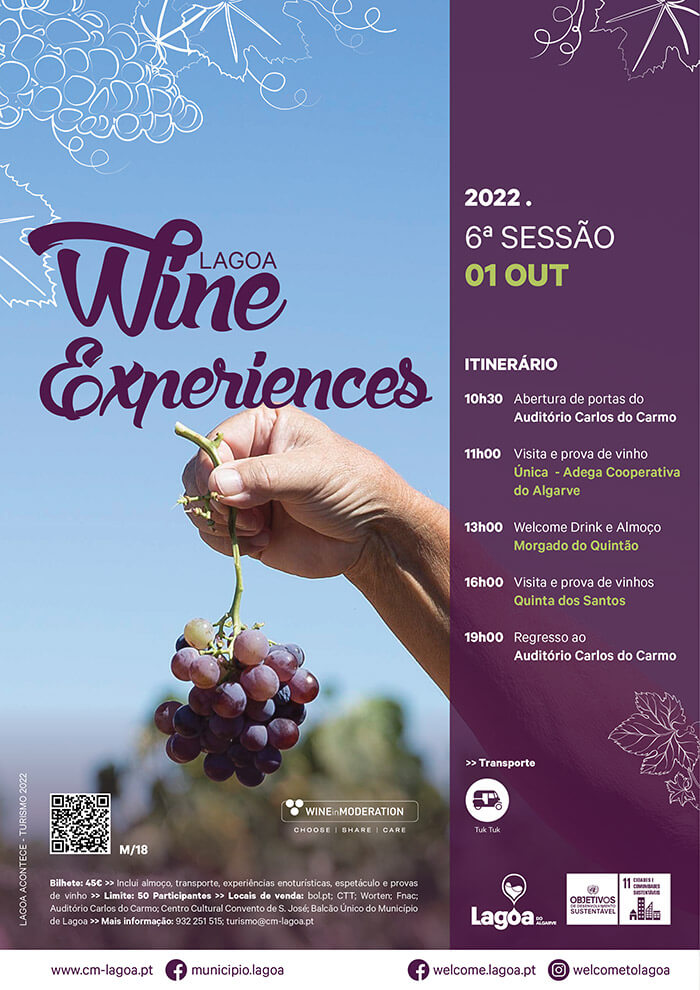
The 6th session of the Lagoa Wine Experiences happens next month with a set of unique initiatives.
Participants will meet at 10.30am at the Carlos do Carmo auditorium (Lagoa) from where they will be taken to Única – Adega Cooperativa do Algarve, a place with a rich history in the region’s wine sector.
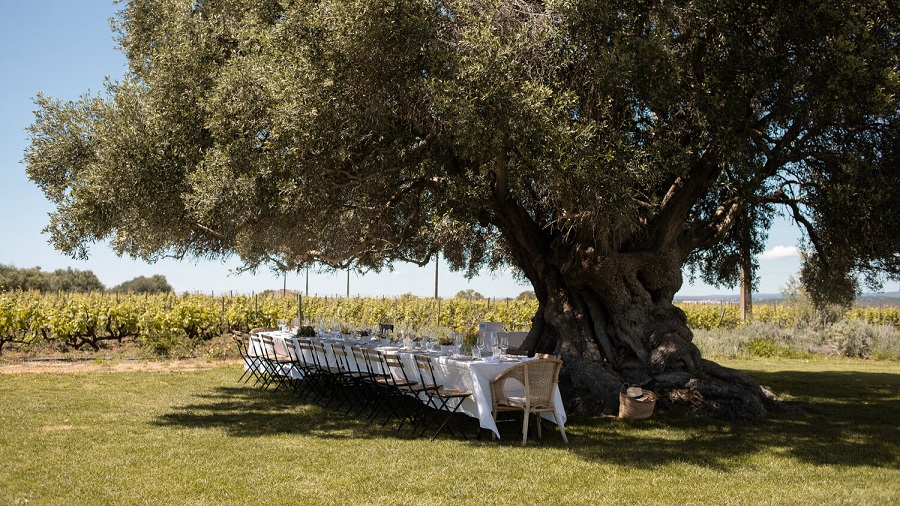
Morgado do Quintão
A wine tasting session will be held at 11am, followed by a welcome drink and lunch at 1pm at the Morgado do Quintão winery, an established local winery located in a historical property integrated into a rural setting with exclusive Algarve grapes.
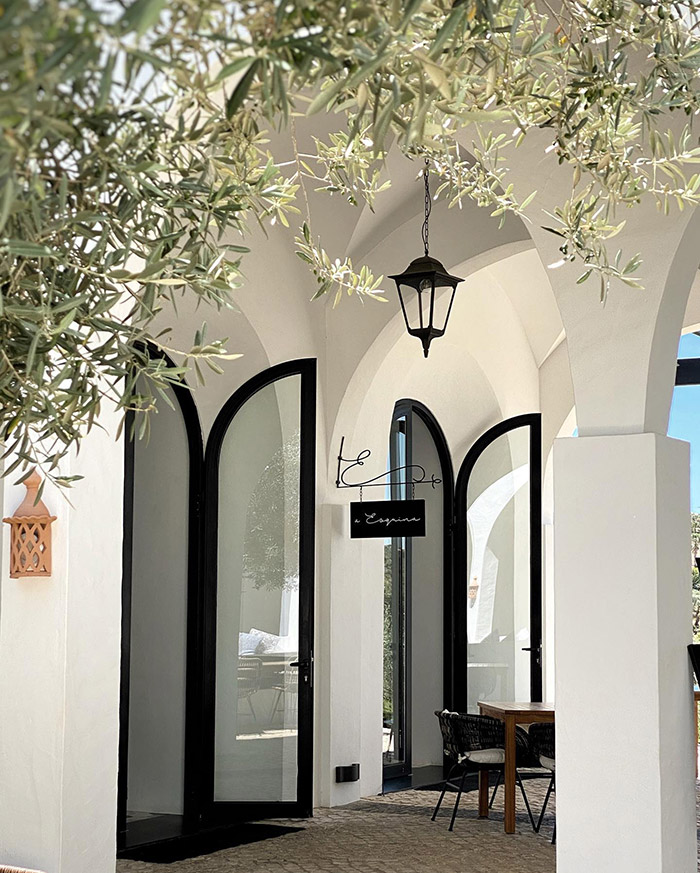
After lunch, participants will visit the Quinta dos Santos winery, between Ferragudo and Carvoeiro, a special place that seamlessly blends the contemporary with the traditional.
Quinta dos Santos
Tickets cost €45 and include the wine tasting experiences, lunch and transport. They can be purchased online at Bol.pt, CTT, Worten or Fnac, or at Lagoa’s usual outlets (Carlos do Carmo auditorium, São José convent and Balcão Único).
For more information contact +351 932 251 515 or turismo@cm-lagoa.pt
One with nature: Earlier this year, the former D. Carlos Regis Hotel became the Pure Monchique Hotel
– September 9, 2022
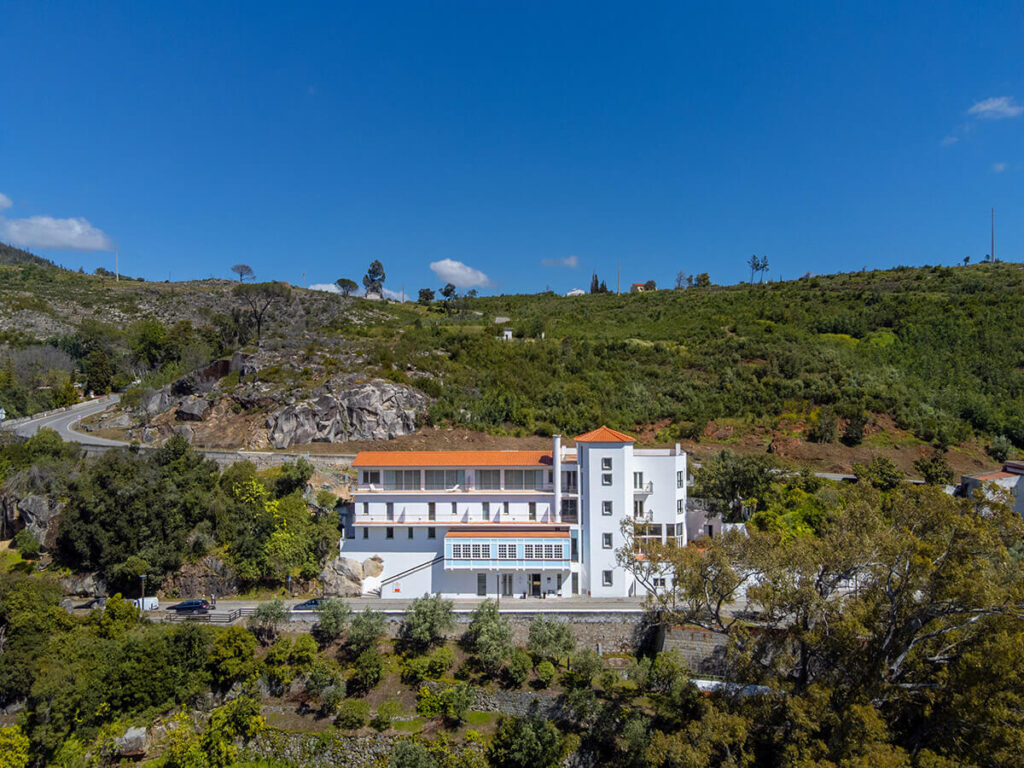
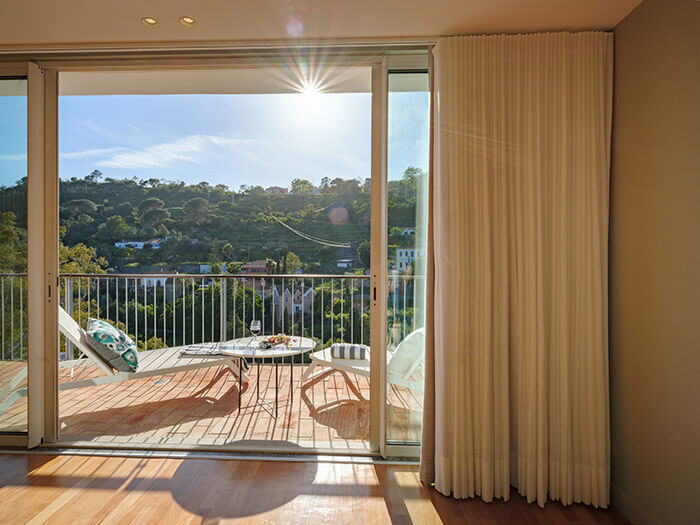
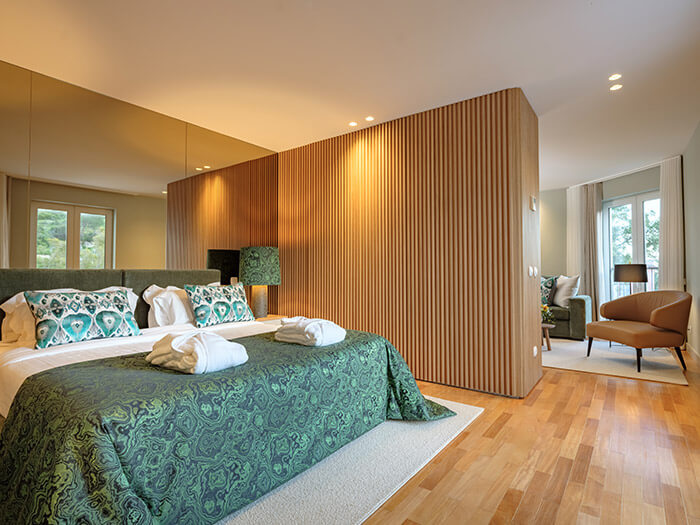
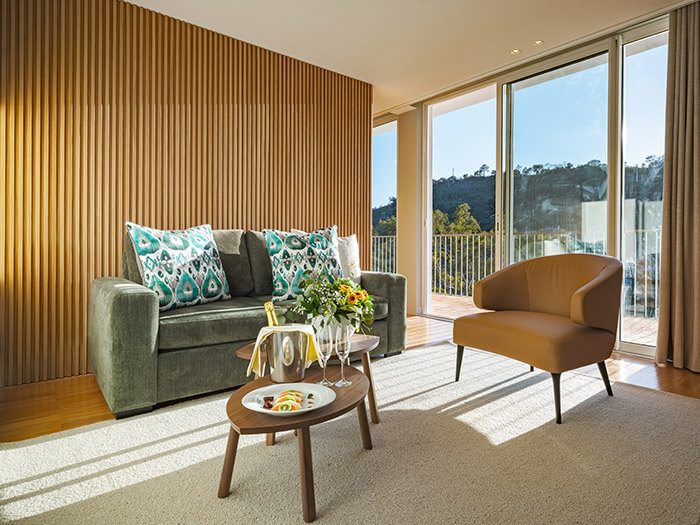
In April, a new four-star boutique hotel was inaugurated in Monchique, promising to create a “paradise between the mountains and the sea”, following the complete revamp of the former D. Carlos Regis Hotel. It boasts 22 rooms and suites and is managed by Unlock Boutique Hotels.
Pure Monchique Hotel is set within the small beauty spot of Caldas de Monchique and is one of the four hotels that are part of the Villa TermalCaldas de Monchique Spa Resort. The hotel has been recommended by the prestigious Condé Nast Johansens guide and has also obtained the coveted Biosphere Sustainable Tourism certification.
“It is a new way of discovering and living the Algarve in the mountains, enjoying the sunrise with the chirping of birds, mild evenings, warm summer nights or the comfort of winter near the hotel bar’s fireplace, always surrounded by green nature,” said the management. Miguel Velez, CEO of Unlock Boutique Hotels, says the group recognised the untapped potential of Monchique early on and that its investment has helped strengthen Monchique as a “high-level and unique destination”.
“It was always a goal of shareholders to renovate the Pure Monchique Hotel, because it is without a doubt an exclusive product and which deserves to offer a quality service,” said the CEO. “Being exclusive in the Algarve, we wanted our guests to feel the synergies (of the area), enjoy the surrounding natural beauty, the fantastic alkaline waters, as well as the comfort and service of excellence, which is what Pure Monchique offers.”
Velez also said the group will continue to invest in the “quality and exclusivity that characterises us and which makes this hotel a unique space that our guests will want to return to.” The hotel features the Pure Bar & Restaurant, which serves snacks and drinks as well as exclusive dishes from the ‘Unlocking Portuguese Flavours’ concept, and boasts panoramic views of the surrounding mountains.
Guests can also enjoy the facilities at the nearby Villa Termal, such as the ‘Spa Termal’ which uses Monchique’s famous 9.5pH water (described as “the most alkaline water in Portugal and one of the most alkaline in the world”), its outdoor pools and its bars and restaurant serving traditional food.
There is also a wealth of outdoor activities to enjoy, from hikes along the Monchique-Alto da Fóia trail, which connects Monchique to the region’s highest peak, to bike rides.
At the historical Quinta da Palmeirinha, producer João Mariano makes new vintages with some of the region’s oldest vines
– September 9, 2022
The Algarve may still be Portugal’s least-known winemaking region, but what many are not aware of is that its history goes back centuries. Its first vines were planted by the Phoenicians and the Greeks in the 8th century BC, and later Romans and Carthaginians developed this fruitful trade.
More recently, in the 1960s, the region’s wines were a vital part of the ration troops received during the Portuguese colonial war. “This was at the time when wine was produced in cooperatives. It was consumed as a food product, drunk by the working classes and sailors as a source of energy,” explains João Mariano, a local wine producer, storyteller and one of the guardians of the Algarve’s winemaking heritage.
He tells us the story of the Negra Mole variety and how it came to dominate the region. “Cooperatives used to pay according to the alcohol content of the grape variety; the higher the content, the higher the value. Soon producers planted the varieties with the highest alcohol content, such as Negra Mole”, which also produces significant quantities of large grape bunches that are very resistant to disease.
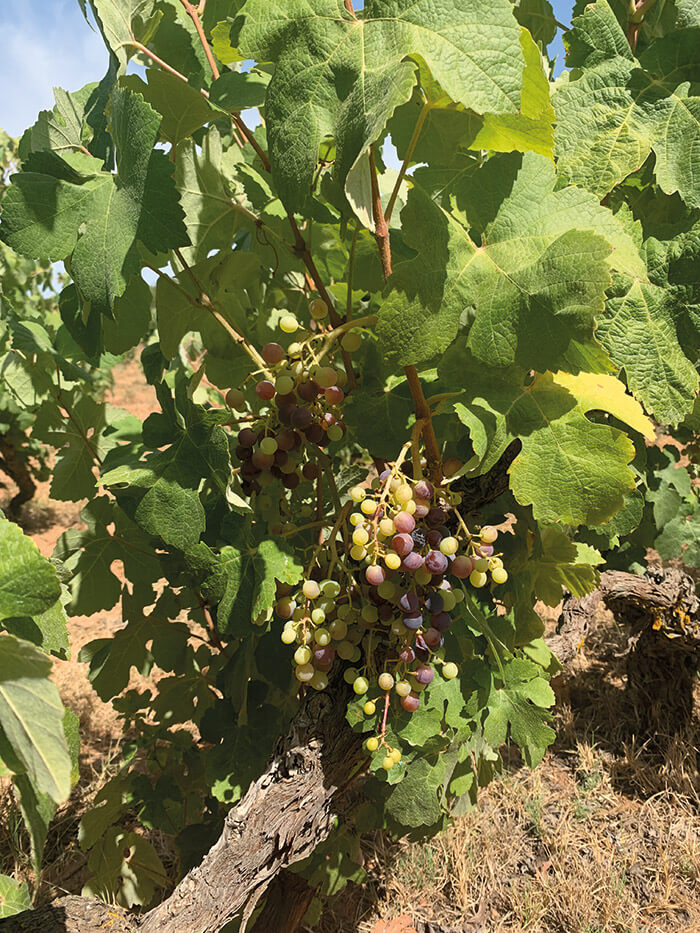
Discovered to be Portugal’s second oldest grape variety, it is different from other reds because it does not have uniformly coloured berries or dark skin. Today the variety is used to make red wines when blended with small amounts of a teinturière variety, such as Alicante Bouschet, Touriga Nacional or Petit Verdot. “But in the Algarve, locals liked lighter reds; it was the tradition,” insists João.
Sadly, with the arrival of tourism, many vineyards were ripped up for their sandy soils to be sold for construction, leaving the region destitute of its viticultural heritage. But some old vines remain and are now being resuscitatedby producers like João Mariano to recreate the Algarve’s unique brand.
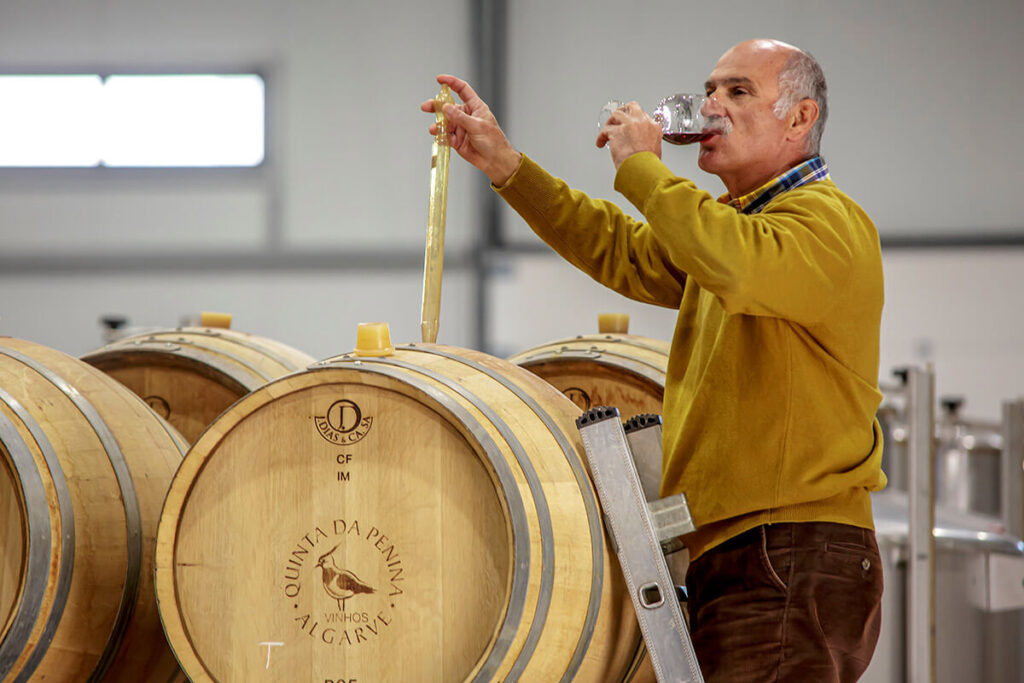
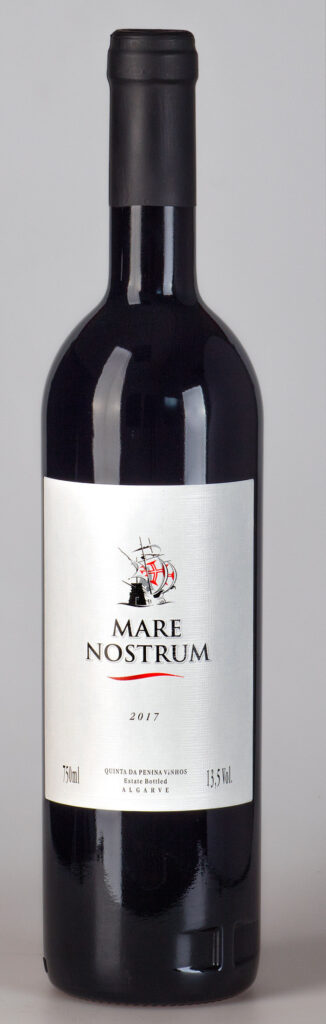
This local producer is passionate about viticulture and the region’s history. An agronomist by trade, he planted his first 10 hectares of vines in 2000 in the Portimão area. This is where he created the Quinta da Penina brand, followed by two more hectares of vines at Quinta dos Cabeços, in Lagoa. His goal was to obtain grapes from two distinct terroirs to produce wines with equally distinct qualities. His brands include Quinta da Penina, Foral de Portimão and Mare Nostrum, a brand he created for local restaurants.
In 2012, he started exploiting a vineyard that would turn him into the guardian of some of the region’s most historical vines. Planted in 1942, these are Negra Mole old vines. “They are still full of vigour. They produce beautiful bunches of multicoloured grapes and are believed to be some of the Algarve’s oldest Negra Mole vines still in economic production,” he points out.
Quinta da Palmeirinha
These old vines are part of a large historical wine-producing estate on the border between Lagoa and Silves: the Quinta da Palmeirinha. “It is located in an area called Lobito, where vineyards are reported to have existed since the Phoenicians and Carthaginians landed on the Algarve coast.”
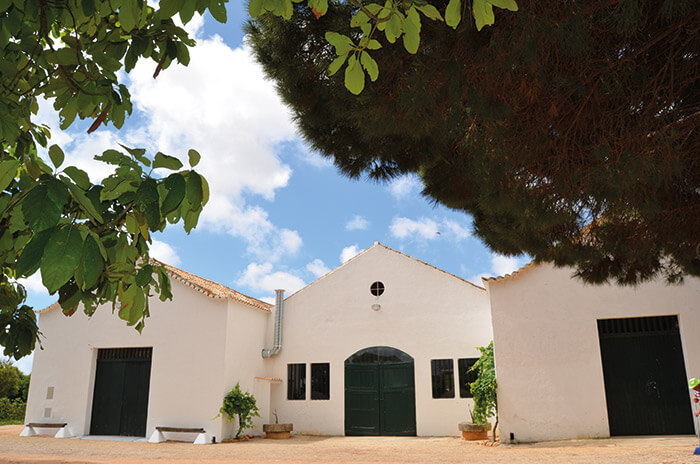
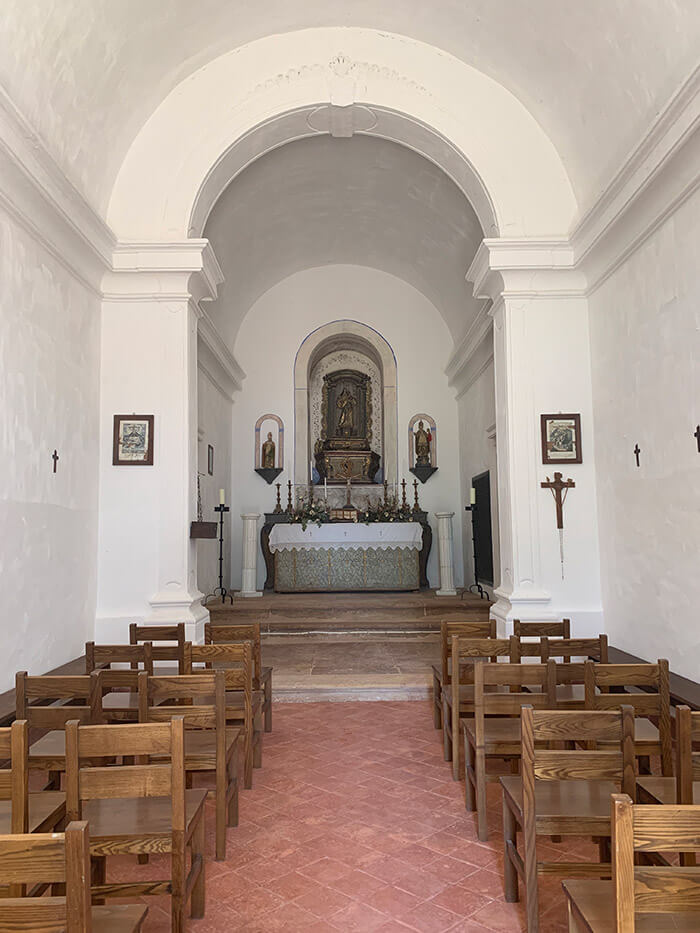
The vines were planted around a beautiful 18th-century Manor House, which was once a hermitage, and from where pilgrimages to give thanks for the good harvests once started. The estate has belonged to current owner Alexandra Pacheco’s family for several generations. Two generations back, Joaquim Valadares Pacheco, who was the Mayor of Portimão (1946-1950), boosted wine production in the region. Not only was this notable man a producer of award-winning wines (his famous Negra Mole vines won him an award for the best regional wine during World War II), but he also played an essential part in the creation of Lagoa’s cooperative winery.
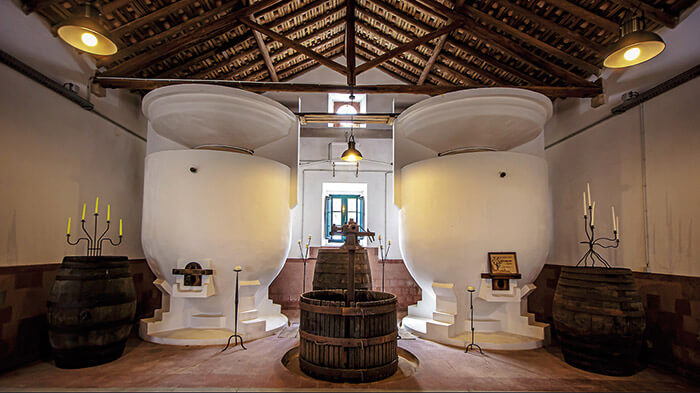
João explains that a group of farmers from the region got together to create the cooperative winery in Lagoa. “They applied for funds through the national wine board, which supported the construction of cooperatives throughout the country. Whilst they waited for the funds to build the new winery to arrive, they produced the first wines of the future cooperative at Palmeirinha.” Some of these were vinified in the farm’s biggest treasures: two imposing Algerian-style amphorae that still stand in the estate’s winery.
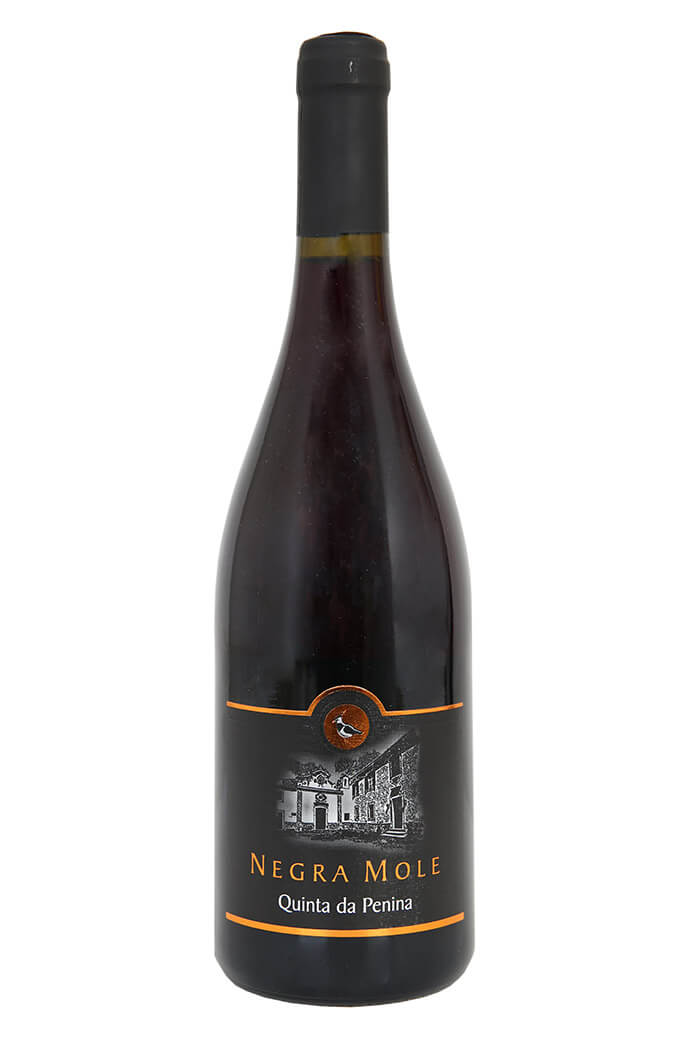
Negra Mole tinto 2019
Today, the 8.7-hectare vineyard is made up of red Portuguese varieties: Negra Mole, Castelão, Aragonez, Touriga Nacional and Alicante Bouschet; and the white Crato Branco – the Algarve’s emblematic white variety. “Here, you can see the resistance of the plant,” says João as he walks between the rows of 80-year-old Negra Mole vines. Most of the existing vines were uprooted and replaced by carob trees. Luckily, the Negra Mole vines remained. “The owners didn’t want agriculture here because it paid poorly, but they also didn’t want to let the farm’s winemaking tradition disappear.”
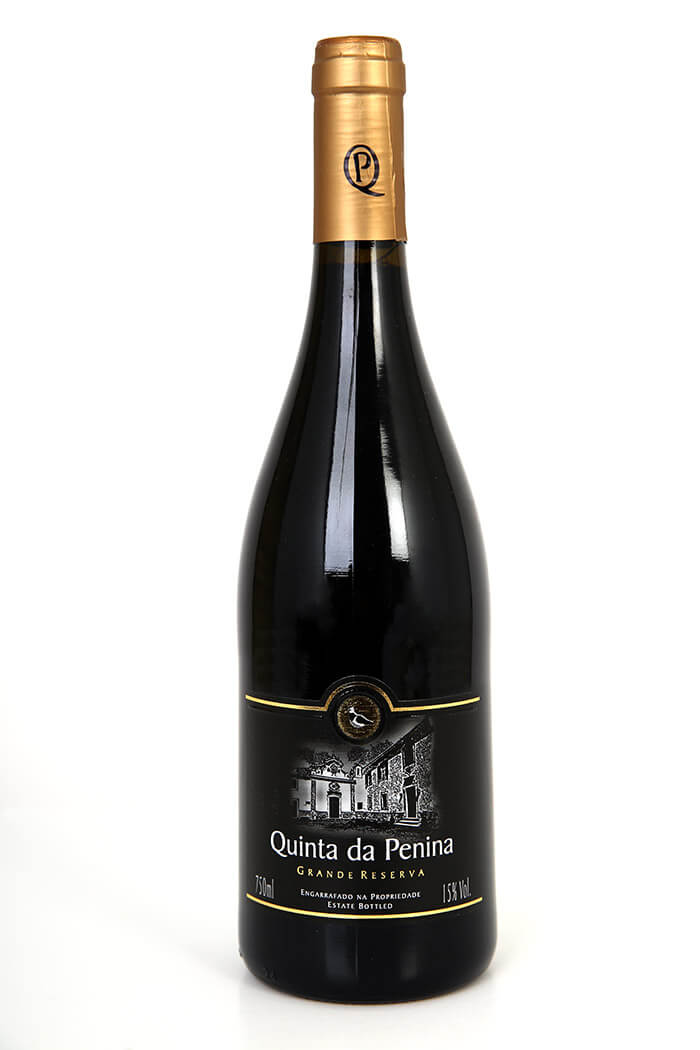
Quinta Penina Grande Reserva, tinto
The charming Manor House has been refurbished for tourism and events. The property offers two guesthouses, with rooms for four and six people, which can be rented separately or as one holiday property with two pools. The old winery was cleaned out and updated for events, but precious winemaking instruments, such as hand presses and the two magnificent amphorae, remain as part of the decoration. “I hope one day they will turn this space into a small museum,” admits João Mariano. “They still have ancient and unique viticultural instruments that can no longer be found.”
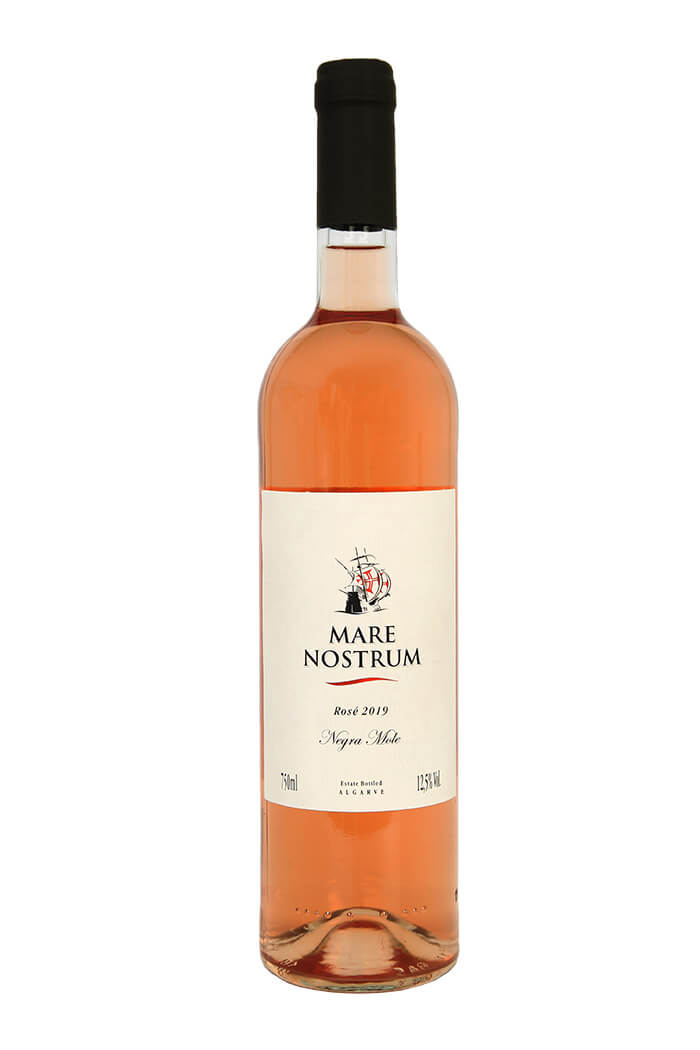
Mare Nostrum Rosé
João makes several wines with Quinta da Palmeirinha’s old Negra Mole vines, starting with the alluring salmon-coloured Foral de Portimão rosé (€6.50). “It’s the grape variety’s natural colour when pressed,” he states. Then there is the Quinta da Penina 2019 (€10), a Negra Mole to which he adds just 10% of Castelão to give it a ruby-red colour. With aromas of fresh black fruits, notes of pepper and orange blossom, it is fresh and fruity in the mouth, with smooth, velvety tannins.
Red Mare Nostrum
The Quinta da Penina Tradição (€6.50), a blend of equal parts of Negra Mole and Castelão, with ripe red fruits and vanilla aromas, is a full-bodied red, smooth in the mouth, with an elegant finish. As for white, the Quinta da Penina DOP (€5), made from 100% Crato Branco, has fruity notes of pear and pineapple. In the mouth, it is balanced and fresh, with good volume and a long and persistent finish.
João is also known for making top-class, single-varietal Petit Verdot wines. His Quinta da Penina Grande Reserva 2016 (€10), made with grapes produced in Portimão, won a gold medal at the International Berlin wine competition in 2020.
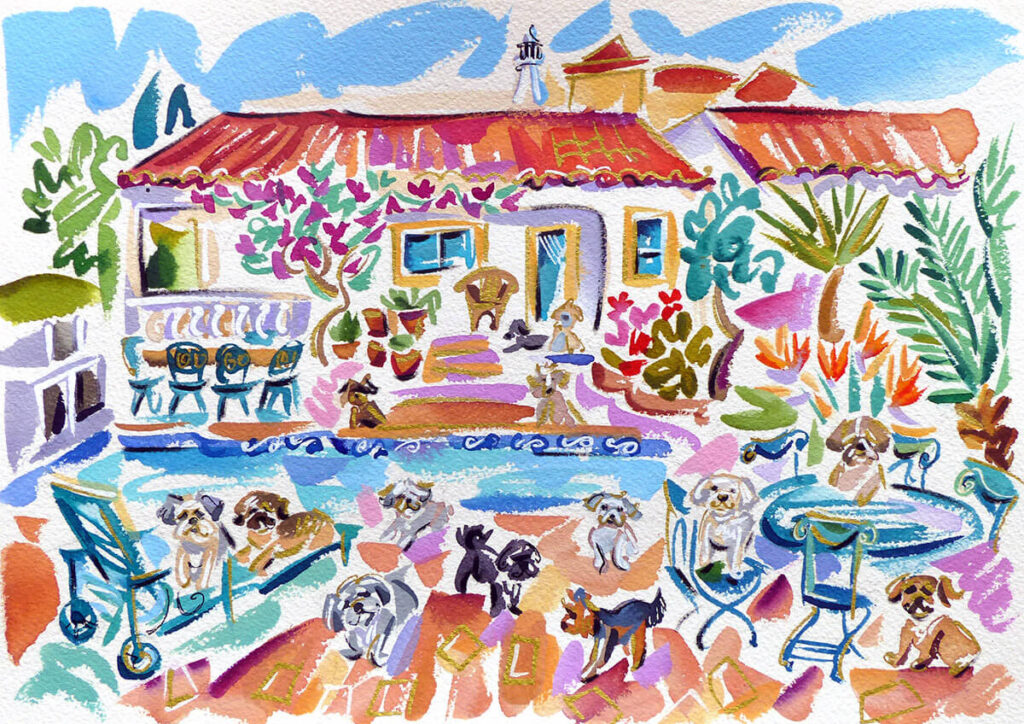
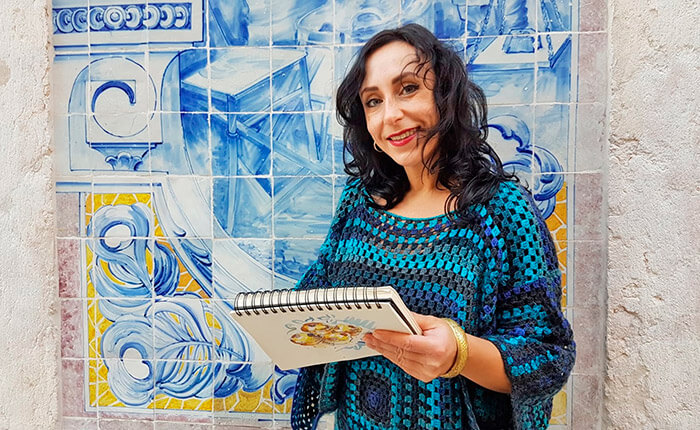
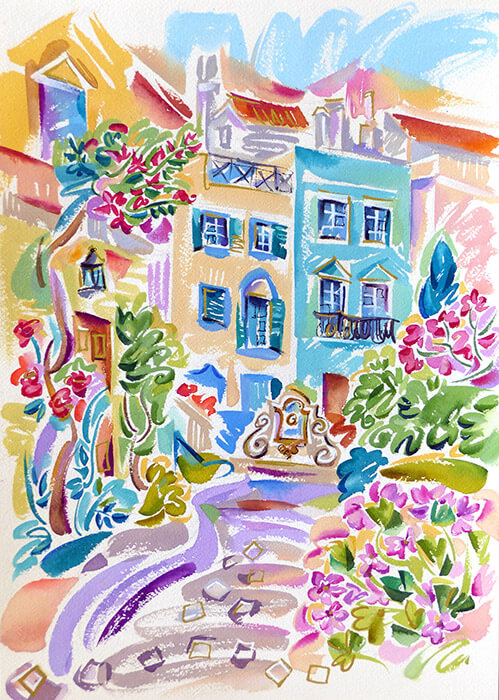
A versatile artist, Wendy Beugels went through an incredible artistic transformation as she settled into Algarvian life. From realistic and expressionistic artworks, using oil and acrylic paint, to colourful and happywatercolours inspired by her surroundings.
Originally from the Netherlands, since childhood Wendy had a passion for drawing and painting. “Art was my favourite class in school,” she says. “I’ve been paid to do commissions since I was 11 years old and I’m still as nervous now as I was then!” She received her bachelor’s degree in Fine Arts from the Maastricht University, Netherlands, and soon moved to the USA where her career began.
She worked with oil and acrylic paints and made realistic portraits and expressionistic sports art for private and corporate clients. Wendy was based in a military camp, so the community was small and well connected and the word spread as she was inundated with requests.
After her stint in the US, Wendy returned to the Netherlands, where she used her versatility and turned her hand to graphic design for a Dutch newspaper. She created layouts for the lifestyle editions and created marketing tools and digital illustrations.
After this, her journey as an independent artist and graphic designer really developed. She combined the techniques that she had learned from traditional painting with digital skills and developed a new way to make her art with pen and tablet and started to make digital hand-painted portraits.
Four years ago, she embarked on her journey to Portugal. “I got rid of my house and all my belongings, even my car, and came to Portugal with only a few things.” She quickly settled into the relaxed way of life and soon became inspired by everything Portugal has to offer. “I feel that I have everything I need now. My life feels a lot lighter and free and, therefore, my work is becoming more flowy and simplistic.”
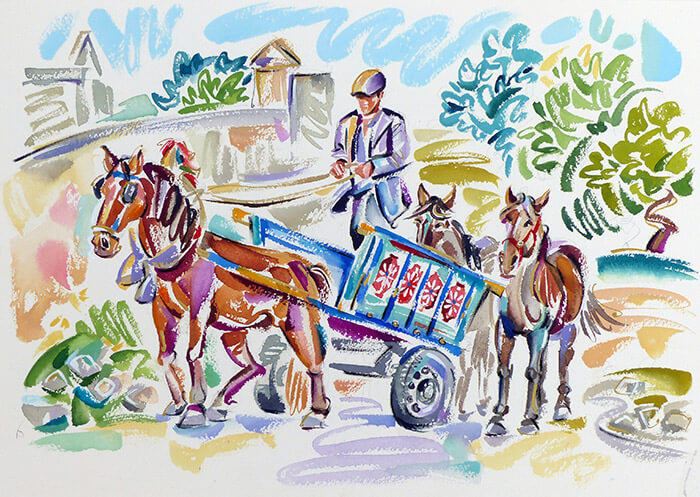
This is also when she started to develop “happier colours”, as she explains. “The sky is so blue, and the colours are so different and vibrant in the sunlight. I am from the Netherlands, where everything is grey, so it makes a massive difference to my outlook on life and my art.” The colourful buildings, daily life, street scenes, boats, beach scenes and landscapes are all featured in her recent successful series of Happy Watercolours. “In this new phase of my career and life, the purpose and essence of my paintings is to bring happiness, to give a happy vibe and positive feeling.”
Soon, Wendy will be opening a studio and setting up a base in Armação de Pêra, where people can view and purchase her paintings. Her client base is mostly expats who live in the Algarve, so the location is perfect as it is right in the centre.
Her paintings range from €50 to around €2,000 depending on the complexity of the creation. She currently runs two social media pages dedicated to her work, one for her portraits and digital portraits and one for her watercolours. Wendy started off her career mostly taking commissions, but she is keen to start painting what she wants and going on to make multiple copies of each piece. She can also take requests through her websites, where her pieces can also be purchased.
As Wendy spends more time in the Algarve, she is growing increasingly fond of the place. “I think my style will change again,” she says. In the future, she would like to combine her new colourful and ‘flowy’ style with her old techniques such as using oil and acrylic as well as moving to larger scale paintings. Currently, Wendy’s paintings are more in demand than ever because they are accurate and beautiful interpretations of the many reasons why so many choose to holiday or live in the Algarve.
Whilst a lot of attention in the autumn is aimed towards migrating birds, a common bird here in the Algarve is busy collecting its food supplies for the colder winter months
– September 9, 2022
The jay, or to be precise, the Eurasian jay is a common bird throughout the Palearctic Region and thrives in Portugal. They belong to the Corvid family (otherwise known as the Crow family) and are unmistakable with the complex colour of their plumage. Most of the plumage is pinkish brown with a white crown, forehead and rump, and the wings have bright blue colouringwith black stripes. Their length is around 35cm with a wingspan of up to 58cm. It may be my imagination but, here in Portugal, they seem slightly larger than those found in northern Europe.
Often you hear jays before you spot them. They are very vocal with their loud angry-sounding screech call. They often mimic other birds, particularly the calls of birds of prey. I have had debates in the past whether the call, which is similar to a common buzzard, is indeed a mimic or, as I think, one of their natural voices that sounds similar. For me, the debate continues.
Although populations of jays seem to be thriving in Portugal (they are protected from hunting which helps), they do not usually form flocks but prefer to live a solo life. Even mating pairs do not seem to spend much time together but will form an alliance to defend a territory. I often see jays mixed into flocks of Iberian magpies during the spring and summer months, possibly due to a share in the food source and, of course, safety in numbers from birds of prey.
During mating, both the male and female will build a nest in a tree branch fork where a clutch of up to six eggs are laid, with only one brood being raised annually. Only the female sits on the eggs whilst the male feeds her. Almost three weeks later, the eggs hatch and both parents share the duty of feeding the young. The young fledge after another three weeks and are fed until around eight weeks old.
Garrulus glandarius, the noisy acorn harvesters
Their scientific name is interesting, Garrulus glandarius. Garrulus meaning ‘noisy’ and glandarius meaning ‘acorn harvest’. Jays are well-known for helping the spread of oak tree forests and it is during the autumn when this occurs. Oak trees are rich with acorns in the autumn with a limited lifespan on the trees before they fall. Jays are omnivorous, however, although in the winter and spring months prefer protein rich acorns.
Due to the limited timeframe of an acorn on a tree, they spend autumn collecting as many as they can and store them in caches for consumption later. Studies have shown that they can cache 5,000 acorns and remember where most of them are! The ones that are forgotten or not consumed may germinate and grow into oak trees making them responsible for the increase in woodland.
You’ll often see jays with what appears to be a single acorn held in their beak. However, they usually have quite a few more inside their gullet to enable them to harvest, move and store them efficiently. I have recently read a study that shows they are particularly fussy over the acorns they select from a tree.
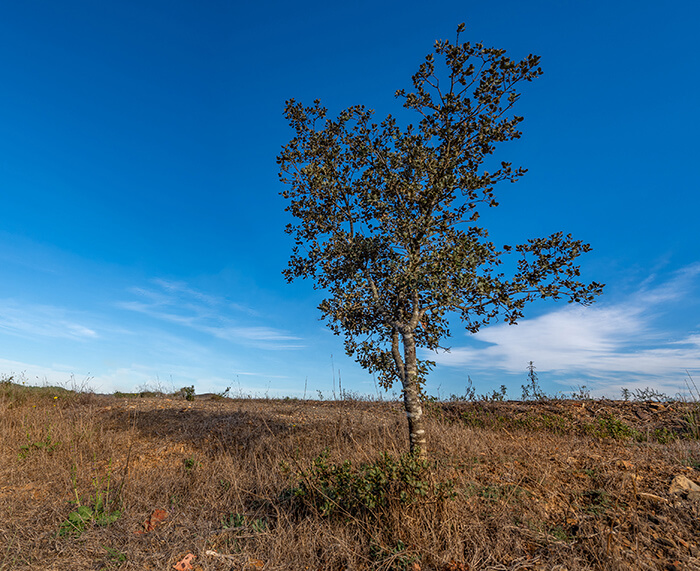
Next time you spot an oak tree which is solitary to others, it is possible it may have been planted by a Eurasian jay!
Text & Photos Craig Rogers
Craig Rogers is a Wildlife and Nature photographer from Wales now living in the Algarve providing Photography Workshops in Parchal. More information, photographs, and blog can be found on his website at
Venturing on the Tapas Route or listening to international musicians is among the suggestions for the coming autumn in the Algarve
– September 7, 2022
Although the whirlwind of activity typical of this season in the Algarve is slowing down, there is still plenty to see and do in the area. Inside Carvoeiro offers some suggestions here.
Rota do Petisco with around 220 restaurants to explore across the region and three themed routes
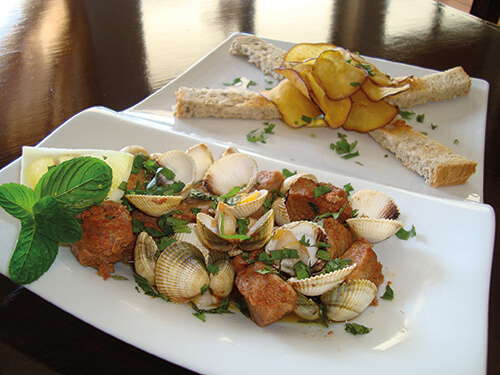
Algarve gastronomic event Rota do Petisco is back to bring tapas-sized dishes, at accessible prices, to around 220 restaurants across the region. The event, which is being held between September 14 and October 16, celebrates the tradition of eating ‘petiscos’, small portions which give you an opportunity to try several different dishes for the price of a normal-sized dish. Rota do Petisco has grown year after year, being initially held only in Portimão but expanding to most of the Algarve’s municipalities.
Lagoa Hotel
This year, the event will take place in 11 boroughs: Aljezur, Vila do Bispo, Lagos, Portimão, Monchique, Lagoa, Silves, Albufeira, Loulé, São Brás de Alportel and Tavira.
Each establishment can either serve a ‘petisco’ (savoury dish) or a ‘doce regional’ (regional sweet), as well as a vegetarian option to attract even more visitors. Savoury dishes cost €3.50 whilst sweets cost €2.50 (each option includes a drink).
Within the event, there are three themed routes: ‘Rota dos Chefes’ (Chefs Route), ‘Rota do Mundo’ (World Route), and the new ‘Rota da Memória’ (Memory Route), which will challenge restaurants and eateries to recreate traditional dishes from the past.
Tradições (Monchique)
9th Lagoa International Guitar Festival welcomes national and international musicians across diferent locations to promote the local heritage
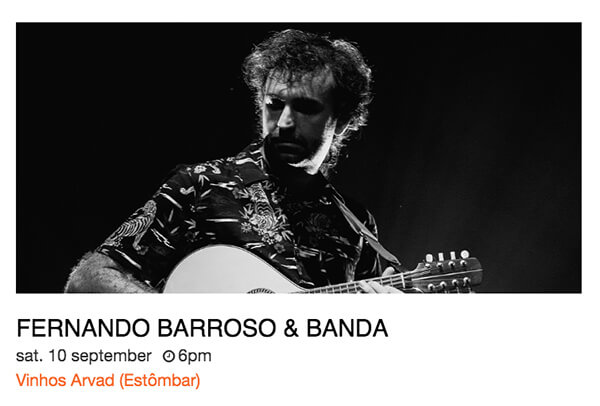
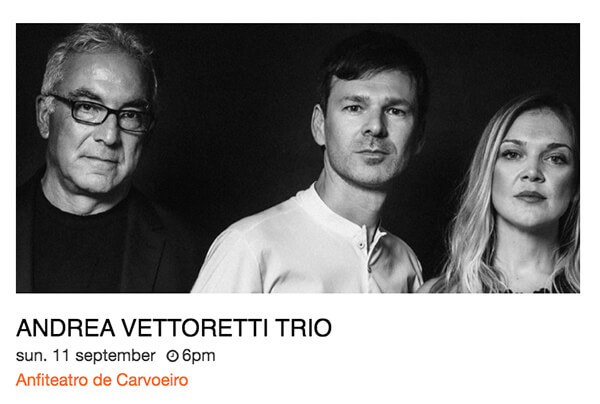
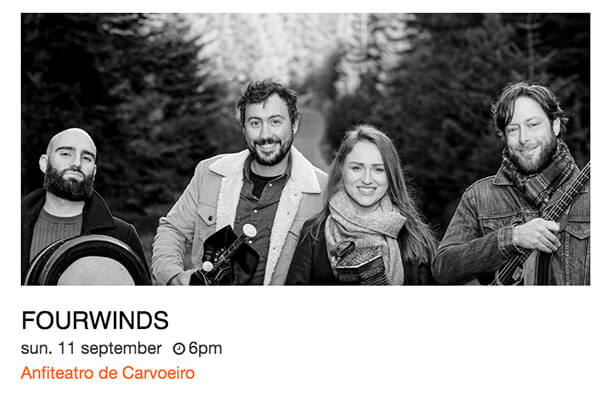
Between September 10 and October 1, Lagoa will once again set the stage for a programme filled with musical languages, interpreted by national and international musicians, in concerts that start at 6pm.
Aside from the musical spectacle, the festival aims to promote local heritage, showcasing public sites, monuments and infrastructures of the city.
“The event offers the opportunity to promote the municipality’s heritage. Therefore, the concerts take place in different areas, providing knowledge and contact with some of our most emblematic places,” said the Council. Local wineries Quinta dos Vales and Arvad and the Municipal Park Sítio das Fontes de Estômbar are amongst the venues selected for this year’s edition.
Tickets for each of the concerts cost 10 euros (20% off with cultural passport, Lagoa Social card or Rota do Petisco Passport 2021/22, available at the Lagoa municipality ticket offices) and are already on sale online and at CTT, FNAC, Worten, Auditório Carlos do Carmo, Centro Cultural Convento de S. José and the Balcão Único da Câmara Municipal de Lagoa.
Kasia Wrona and Fernando Lobo look beyond divisions in Silves
The Centro de Estudos Luso-Árabes de Silves (CELAS) is hosting an exhibition of paintings by Kasia Wrona and Fernando Lobo entitled Além da Divisãoat the Casa da Cultura Luso-Árabe e Mediterrânica, Largo da República, Silves, until the end of September. According to organisers, “although technically different, the two artists complement each other in the way they interpret the world and in their spiritual experiences”.
Polish-born Kasia Wrona graduated from the Krakow Academy of Fine Arts and has exhibited work in several countries and been awarded several prizes. Her work, whether in drawing, painting, graphic design or installations, reveals Arabic influences in its colours and themes, often referring to the work of the architect and artist Victor Borges as a source of inspiration. Since 2011 she is the co-founder of the Marina de Lagos Art Academy, where she teaches drawing.
Fernando Lobo was born in Faro but lived most of his life in Holland, where he acquired knowledge and experience in the graphic arts. He is an artist with an essentially abstract tendency, who has been spreading his creativity both in drawing and in the graphic arts, having his work exhibited in several European countries.
Algarve Classic Festival, the biggest classic car event in the Iberian Peninsula
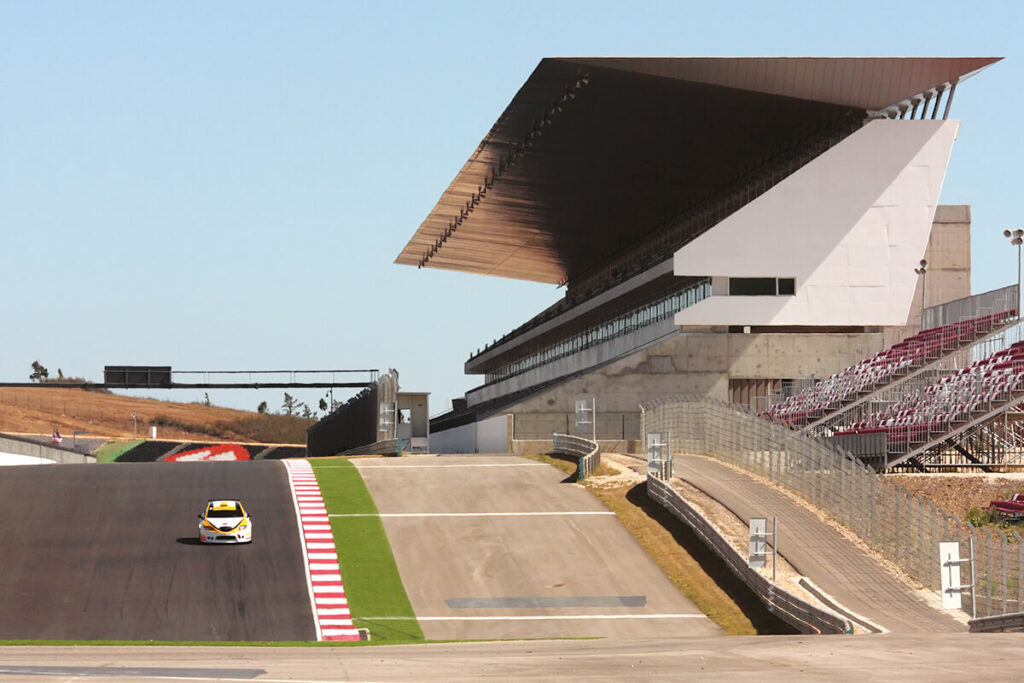
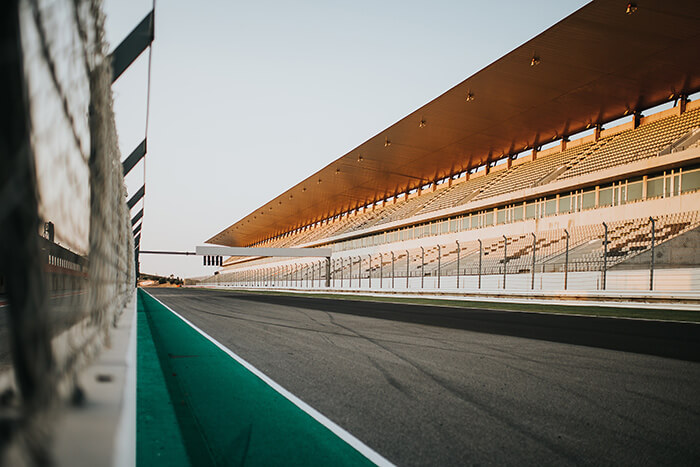
A staple for car lovers and motorheads, the biggest classic car event in the Iberian Peninsula will return to the International Algarve Racetrack, from October 28 to 30.
The festival will host Classic Championships, which will attract the best cars and drivers of the speciality to AIA. “This is a unique event that celebrates all the success and elegance of historic cars. It is the perfect weekend for those who are in love with classic cars,” said organisers.
Aside from the action on the track, the soul of the festival is also well present in the paddock. This is because the public has access to the teams’ garages and can share their own passion for classics with the owners or drivers. They are usually extremely friendly and they soon start sharing stories about the achievements of their racing cars when they represented the pinnacle of motorsports.
Adding to the party, the classic car park is usually the stage for the most beautiful road cars, whose owners can sign up through their respective clubs to be able to drive two laps around the track.
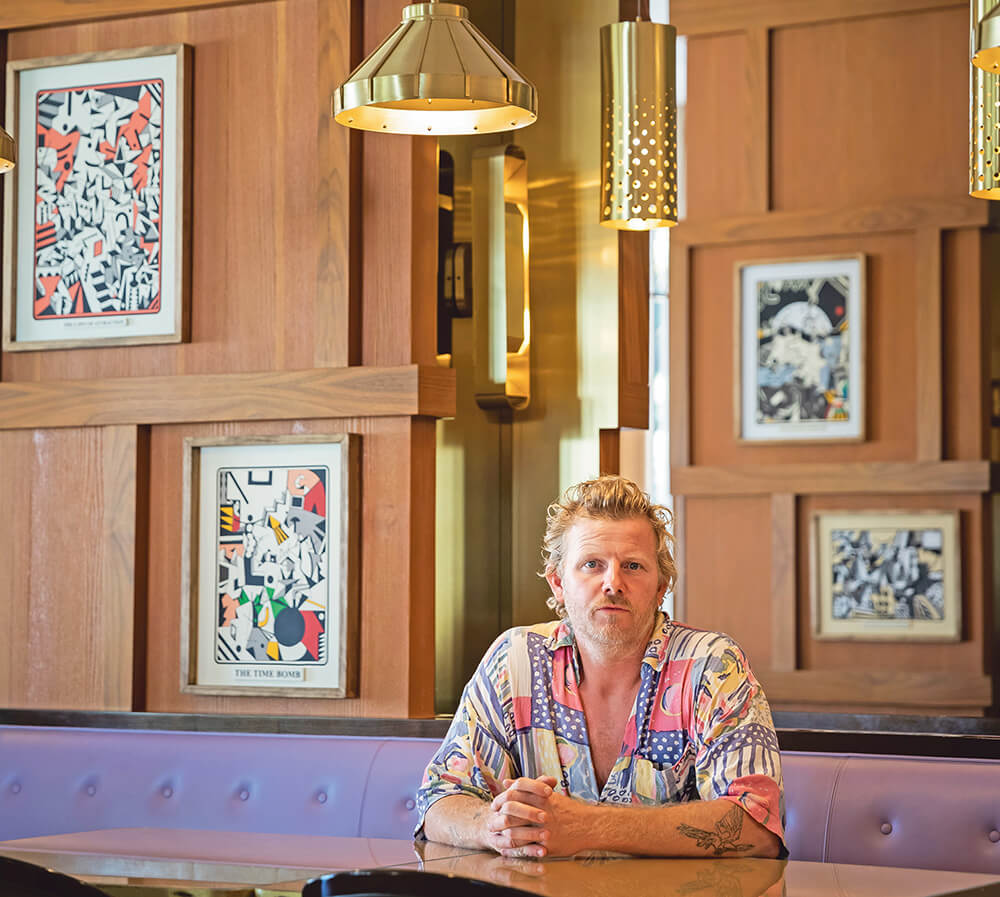
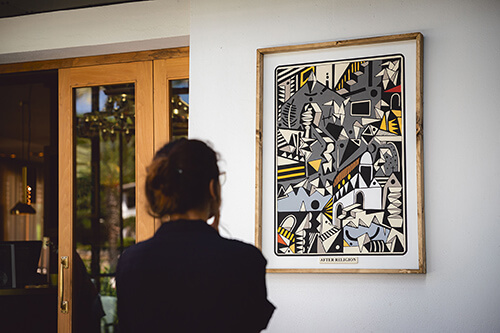
Vila Vita Parc has teamed up with artist Tom Leamon to present a curated collection of exclusive paintings inspired by the design and atmosphere of Bela Vita Bar & Brasserie
– September 7, 2022
In the context of the resort’s 30th anniversary, this challenge to the English painter is in line with Vila Vita’s philosophy of being a platform for artists and promising projects in the Algarve or in the country.
The collection Chamber of Secrets consists of 20 individual paintings, which together function as a whole and pay tribute to Modernism and Avant-Garde artists such as Picasso, Miró and Kandinsky, with a strong symbolism and subtle references to our physical universe and the human condition. “This series aims to engage the viewer and invite them to dive into the depths of each painting, to discover a world of playful symbolism,” says the artist.
The creations of Tom Leamon, established in the Algarve for over six years, are an expression of freedom in a heavily conditioned world, exploring the symbolism of his surroundings in a series of mark-making techniques.
Part of the Art in the Parc events included in the 30th anniversary calendar, Chamber of Secrets can be enjoyed by diners at Bela Vita Bar & Brasserie until the end of the year.
The North American magazine Wine Spectator has once again distinguished the restaurant in Carvoeiro for its wine selection
– September 5, 2022
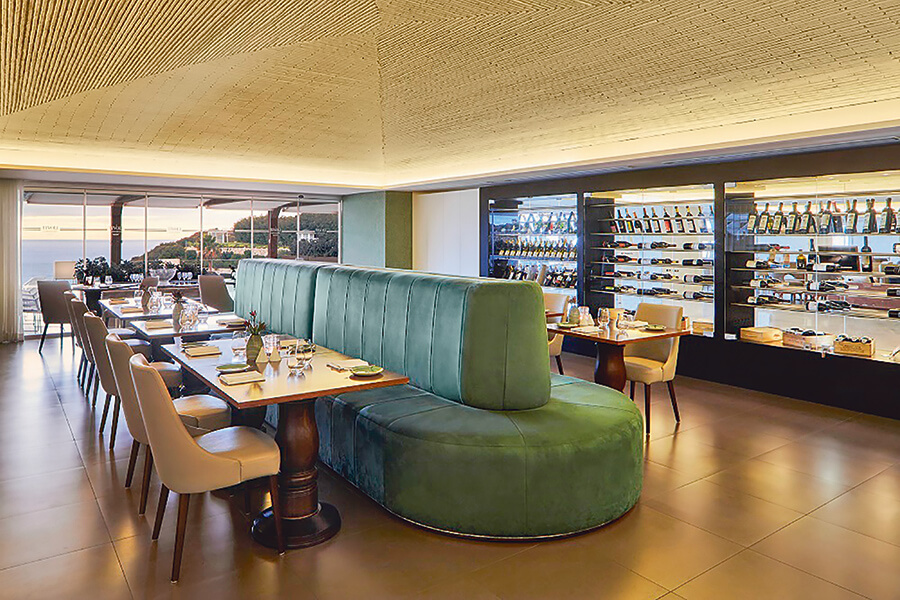
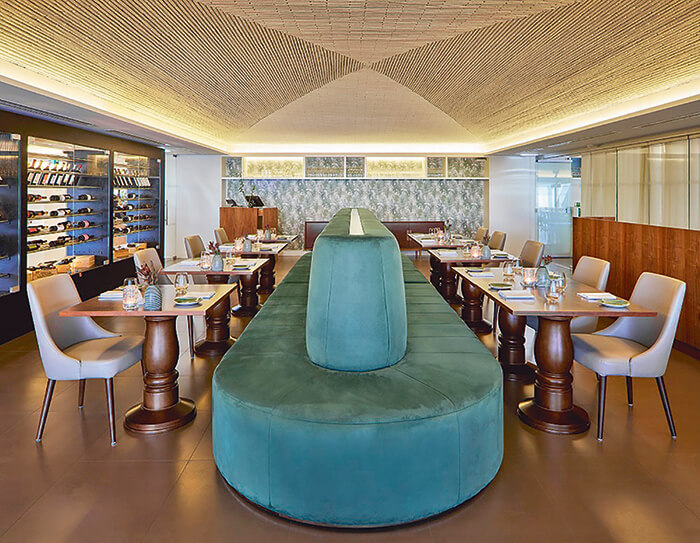
The One Restaurant, at the Tivoli Hotel in Carvoeiro, was first awarded back in 2020. Now, the restaurant has once againwon the Award of Excellence, integrated into an exclusive list of 3,200 restaurants distributed across 70 countries and territories, out of which only seven are from Portugal.
Winners of the Wine Spectator’s Awards go through fierce competition, having to prove their variety and quality (with at least 90 wines), their balance with the different menus, and also their price-qualityrelation.
“It’s a privilege to receive this highly prized international award that recognises the quality of the selection of wines we present daily to our diners. Our wine menu has a focus on Portuguese wines, particularly from the Algarve, in a diverse selection of wines from the most classic to the most recent producers. All in all, we suggested 160 national and international labels with a very good quality-price value blending in seamless harmony with the menu of our chef Bruno Augusto,” said The One’s sommelier Francisco Meira.
The stunning view of the Carvoeiro cliff goes perfectly with the wine cellar of The One, offering a true and immersive gastronomic experience. Along with the different options to accompany the menu, the wine list also offers special wine pairings from national and regional producers.
The One’s menu is also inspired by regional products, maintaining its authenticity and respecting the seasonality of each produce. This summer’s menu features its successful dishes, such as the oven turbot or the tempura octopus with berbigão malandrinho rice, while also offering some new dishes like the foie gras with rhubarb, peach, bela luz and pistachio or the carabineiro shrimp with avocado, cocoa and passion fruit.
The new shop offers a selection of cured hams, Portuguese wines and small delicacies to please the most demanding palates
– September 5, 2022
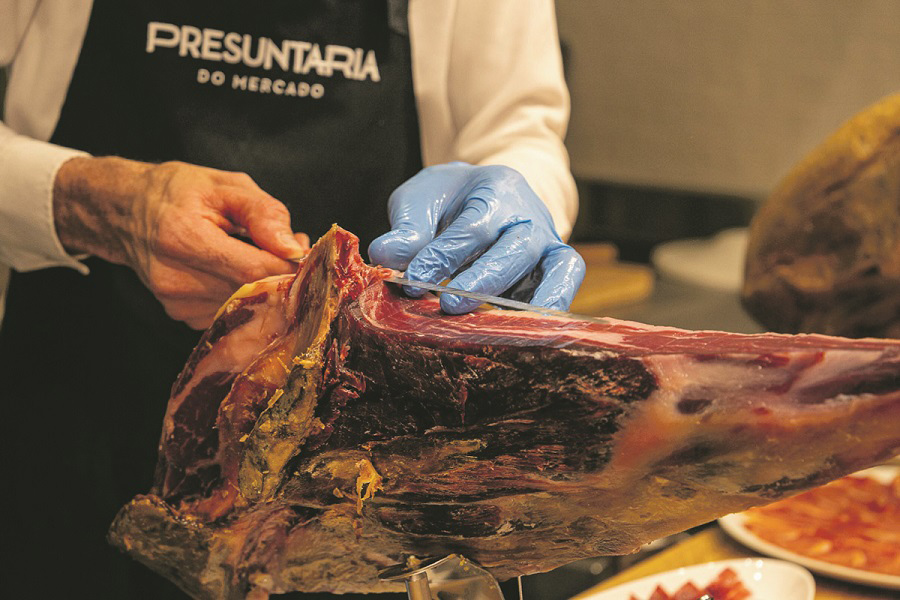
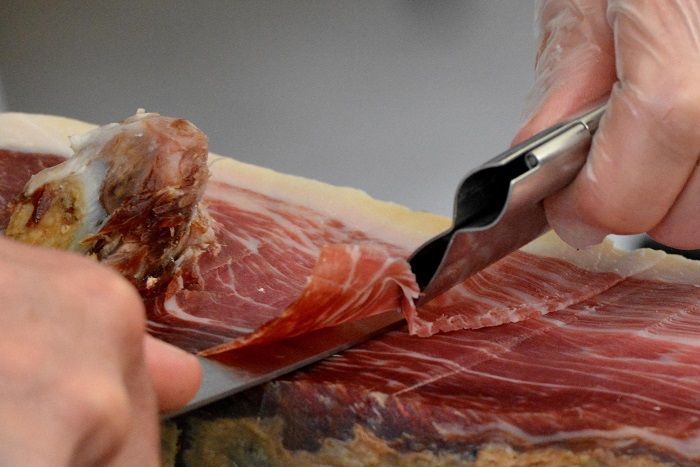
Located inside Portimão’s Municipal Market, the Presuntaria do Mercado opened its doors to the public in August. The gourmet shop is the first of its kind in the region, focusing on serving top-quality, 100% acorn-fed Iberian ham sliced using a special Beher knife, Spain’s leading cured ham producer, boasting almost a century of history and products recognised around the world.
The superior quality of this Spanish brand’s hams results from its complete control of the production process, from rearing the Iberian pigs, fed exclusively on acorns, to the preparation and curing method.
The shop offers freshly sliced ham and a selection of premium Portuguese wines, handpicked to be paired with the hams, for take-away or to be savoured on the spot. The shop also includes a small delicatessen shop, where other gourmet products, such as biscuits and olive oils, can be found.
A calendar of wine tastings and other gourmet events will soon be announced, and an Algarve-wide home delivery service was launched in September.
The new shop is also participating in this year’s edition of the Rota dos Petiscos, from the September 14 until October 16.